Croatia
6 catalog pins
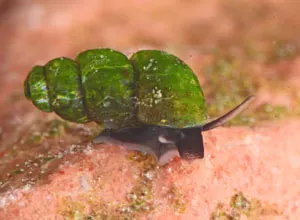
6 animals in this catalog carry a structured country pin for Croatia. That is a filing fact, not a claim that the crisis is only here.
The photograph is one of those animals: Bythinella cylindrica. Open a dossier for the text, the status, and the map. Use the world map to jump to another country. Confirm official distributions on the Red List.
Croatia curves from the Pannonian plain in the northeast through mountain forests to a long Adriatic coast. Four biogeographic regions meet here: Mediterranean, Alpine, Pannonian and continental. The CBD profile says karst covers 54 percent of the country, and forests cover 44 percent of the land.
The profile counts almost 40,000 known taxa, with the real total estimated at 50,000 to over 100,000. About 3 percent of known taxa are endemic, and cave fauna has the largest share, at roughly 70 percent. The olm is the only cave-dwelling vertebrate in Europe.
Where the pressure comes from
Of about 3,000 assessed species, more than 45 percent are threatened, according to the profile. The most affected groups are freshwater fish (about 42 percent), cave fauna (about 37 percent) and snails (about 25 percent).
The main drivers it gives are habitat loss and fragmentation from agriculture, infrastructure and urbanisation, with invasive species, pollution and climate change adding to them. Freshwater habitats face hydroelectric dams, irrigation drainage and invasive species. Wetlands are the most diverse and most threatened ecosystems, and grasslands decline when extensive farming is abandoned. Tourism infrastructure is a major pressure on the coast.
What is being done
The profile reports 33 new protected areas covering 11.59 percent of national territory. The Natura 2000 network covers about 36.67 percent of land and 16.39 percent of the sea, with the final site list adopted in September 2013. It includes more than 700 proposed sites of community importance, 174 of them caves. Croatia has 8 national parks and 11 nature parks, and Plitvice Lakes is the oldest national park. A geography reference gives protected land as 8.5 percent, which conflicts with the profile's figure, so treat both as approximate and from different years. Protected Planet lists 1,084 protected areas (UNEP-WCMC, November 2026).
Reading the catalog for Croatia
The catalog's list for Croatia is small, with 2 Critically Endangered and 4 Endangered animals, all invertebrates. Snails and insects are the largest groups, with 3 each. That fits the profile's finding that snails are among the groups most at risk. The list covers only animals the Red List ties to Croatia, so it is not a full inventory.
Sources for this section
- CBD country profile, Croatia: Karst and forest share, taxa counts, endemism, threatened shares, threats, protected areas, Natura 2000
- Geography of Croatia (Wikipedia): Biogeographic regions, olm, national and nature parks, 8.5 percent protected
- Protected Planet, Croatia: 1,084 protected areas, November 2026
What the catalog records for Croatia
The catalog has 6 animals with a country pin for Croatia: 2 Critically Endangered and 4 Endangered. By GBIF class the largest groups are Gastropoda (3), Insecta (3). The families with the most records are Bythinellidae (2), Acrididae (1), Elateridae (1). A pin means a structured source (Wikidata or a GBIF match) places the animal in Croatia; it does not say the animal lives only there.
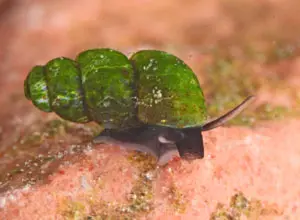 CR
Bythinella cylindrica
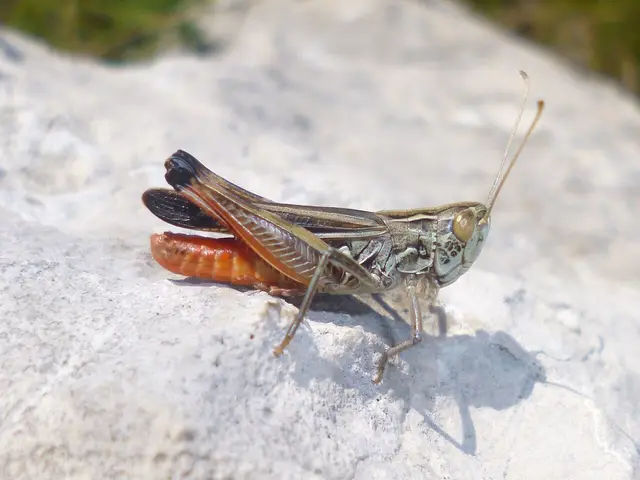 CR
Croatian Toothed Grasshopper
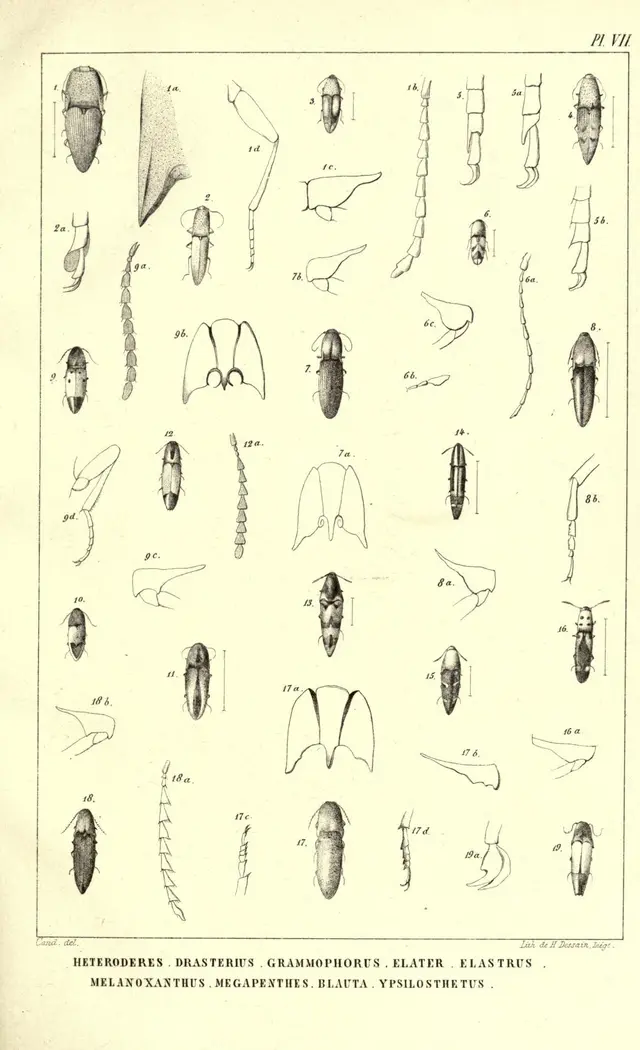 EN
Ampedus quadrisignatus
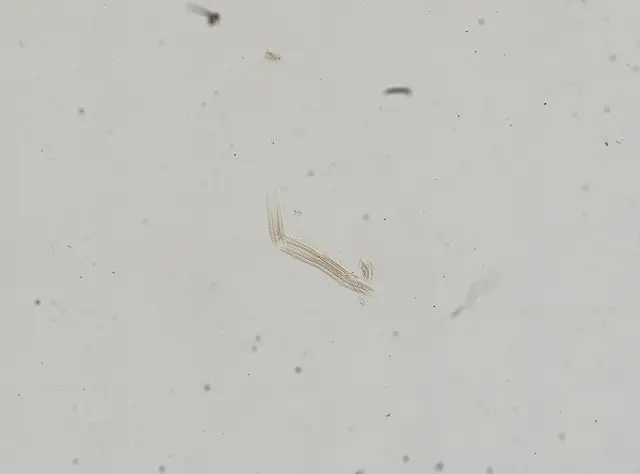 EN
Bythinella viridis
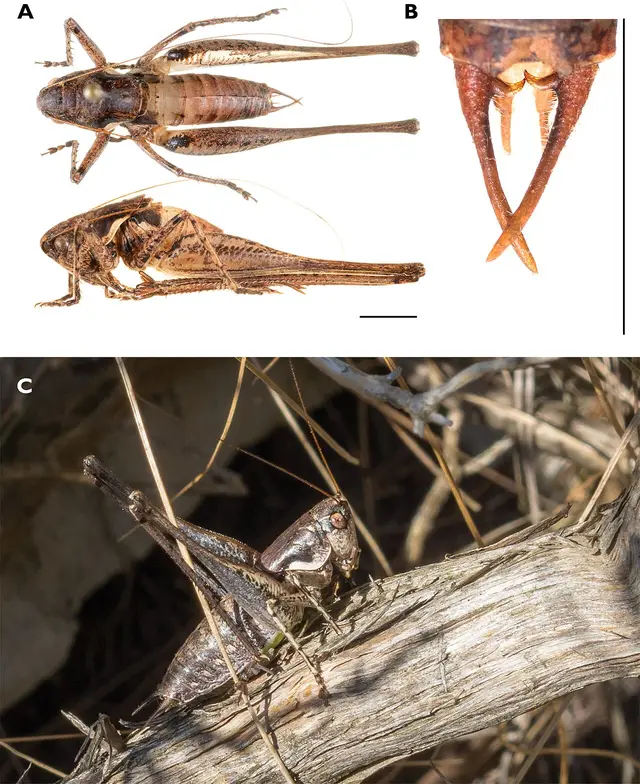 EN
Lesina Bush-cricket
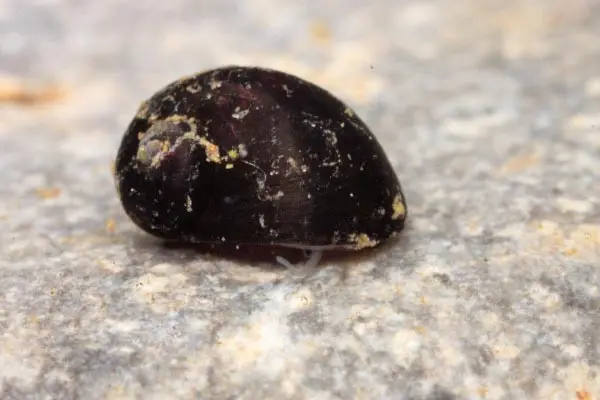 EN
Black Nerite
Total pins: 6.
Quick answers
- Do all these animals live only in Croatia?
- No. A pin means a Wikidata place field resolved here. Official ranges can be wider.
- Is this a government list?
- No. It is a slice of this catalog.