Fiji
12 catalog pins
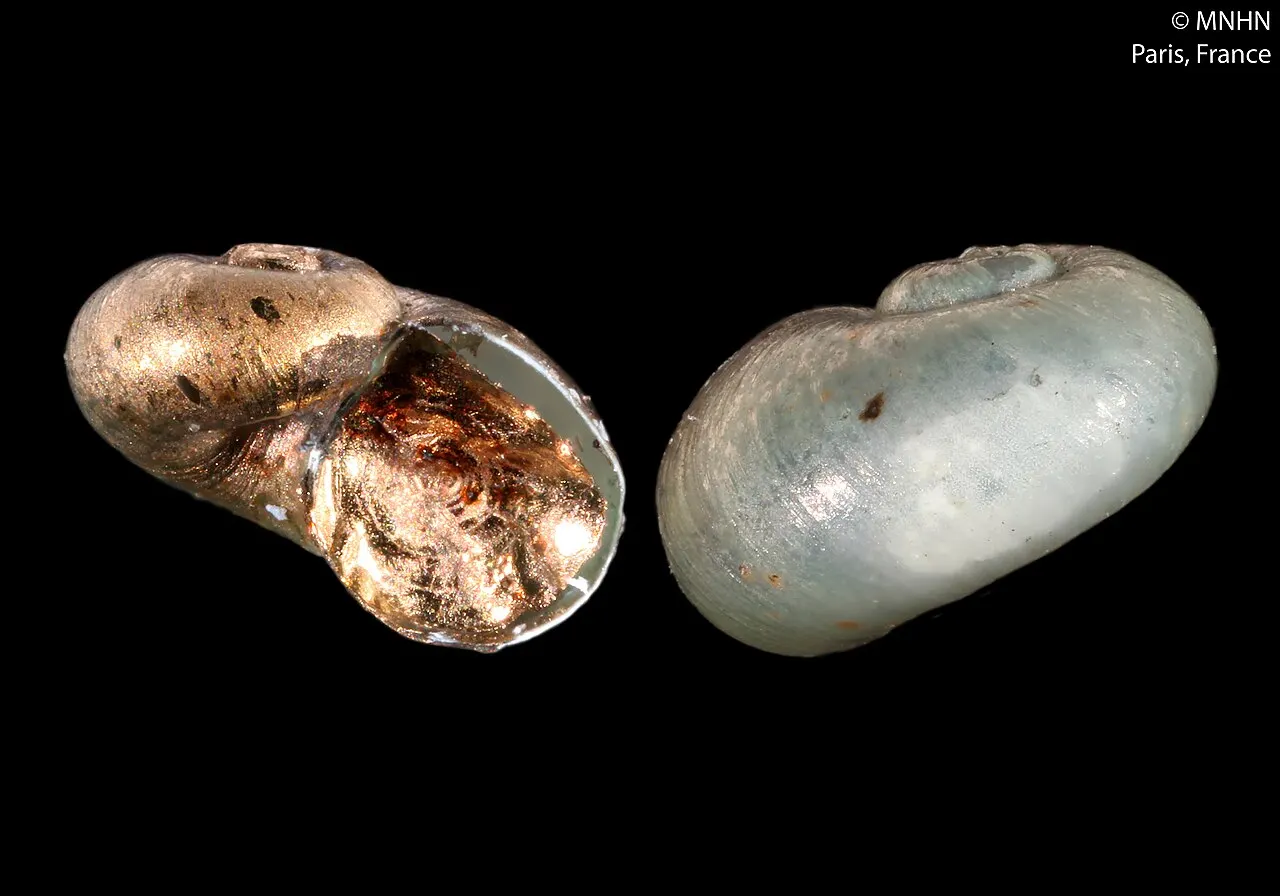
12 animals in this catalog carry a structured country pin for Fiji. That is a filing fact, not a claim that the crisis is only here.
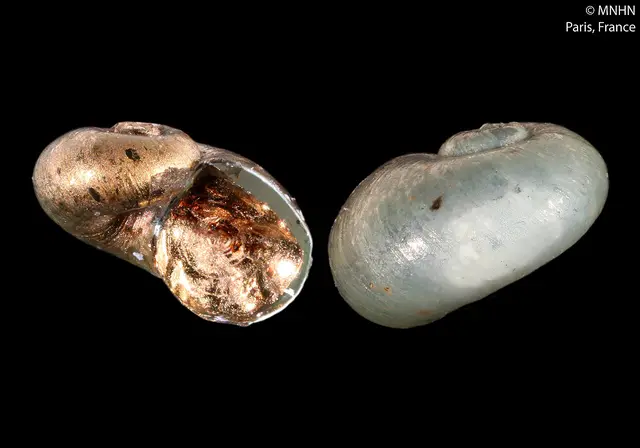
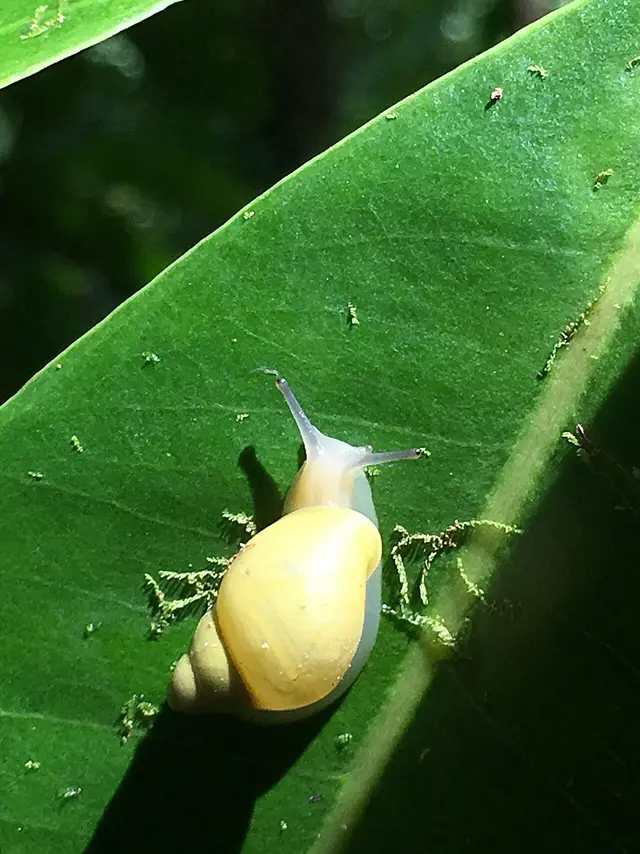
The photograph is one of those animals: Helicrenion reticulatum. Open a dossier for the text, the status, and the map. Use the world map to jump to another country. Confirm official distributions on the Red List.
Fiji is an archipelago of more than 330 islands (about 110 permanently inhabited), with about 18,300 square kilometres of land. Most islands are volcanic. The two big ones, Viti Levu and Vanua Levu, hold about 87% of the people, and rainfall on their windward southeastern sides can reach about 304 cm a year.
Island isolation produced a lot of unique life. Fiji's CBD profile says 50% or more of the plants and birds are endemic, including all 24 palm species and both frog species, with some insect groups over 90% endemic (the profile is a draft). It also reports about 1,198 fish and 1,056 marine invertebrates identified.
Where the pressure comes from
The profile lists overfishing and exploitation as threats, and coastal habitat destruction for tourism development as a major pressure on mangroves, estuaries, reefs and shorelines. Mangroves have been cleared for sugar cane, rice and aquaculture. It reports 25% of bird species and 11.7% of mammals as threatened or endangered (undated).
Forest is shrinking too: Wikipedia's wildlife article, citing satellite data, says Fiji lost 54,074 hectares of tree cover between 2001 and 2024, about 3.5% of its 2000 tree cover. Cyclones such as Winston (2016) and Harold (2020) do serious damage, and sea-level rise brings coastal erosion.
What is being done
Fiji's biodiversity strategy was completed in 1999 and endorsed by Cabinet in 2003. The country has been a party to the convention since 1993. Much of the marine work is community-led: about 350 coastal villages belonged to the Fiji Locally Managed Marine Area network in 2023. A 2023 study in Nature Sustainability found those villages reported more decision-making power and benefits, but did not find better ecological results for marine resources.
On land, over 80% of native forest is communally owned, so conservation often depends on village decisions.
Reading the catalog for Fiji
Corals are the largest group in the catalog's list for Fiji, followed by snails. A short list of corals and snails says little about Fiji's birds or mammals, which may be assessed at other levels.
Sources for this section
- CBD country profile, Fiji: endemism, fish counts, threats, mangroves, strategy dates, treaty date, forest ownership (draft profile)
- Wildlife of Fiji (Wikipedia): rainfall, tree cover loss 2001-2024, cyclones, sea-level rise
- Fiji (Wikipedia): 330 islands, about 110 inhabited, land area, volcanic origin, population share
- Mongabay, study on Fiji locally managed marine areas (30 June 2023): about 350 villages, study findings, Nature Sustainability 2023
What the catalog records for Fiji
The catalog has 12 animals with a country pin for Fiji: 2 Critically Endangered and 10 Endangered. By GBIF class the largest groups are Anthozoa (8), Gastropoda (4). The families with the most records are Acroporidae (6), Neomphalidae (1), Fungiidae (1). A pin means a structured source (Wikidata or a GBIF match) places the animal in Fiji; it does not say the animal lives only there.
 CR
Helicrenion reticulatum
 EN
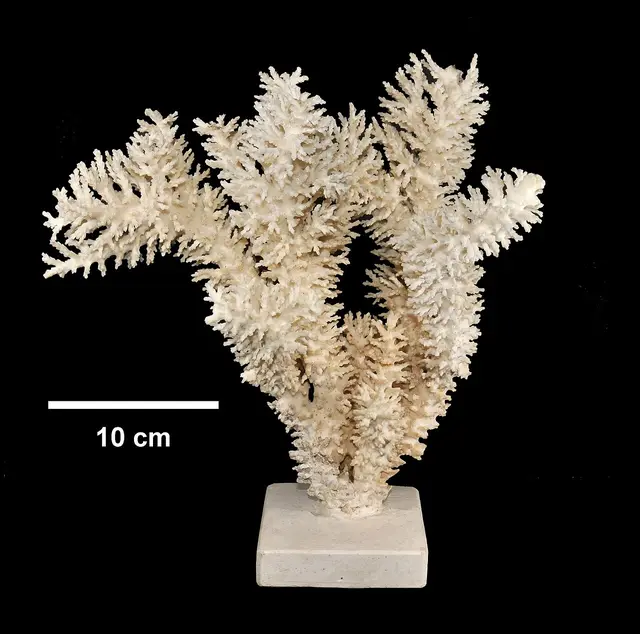
Acropora carduus
 EN
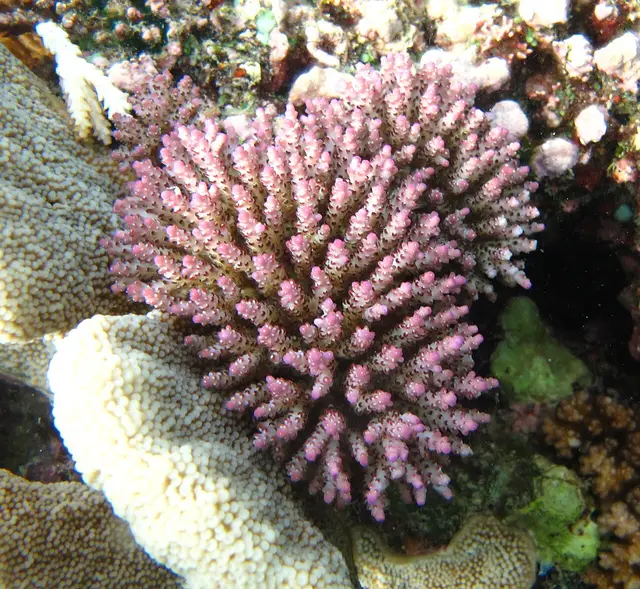
Acropora nana
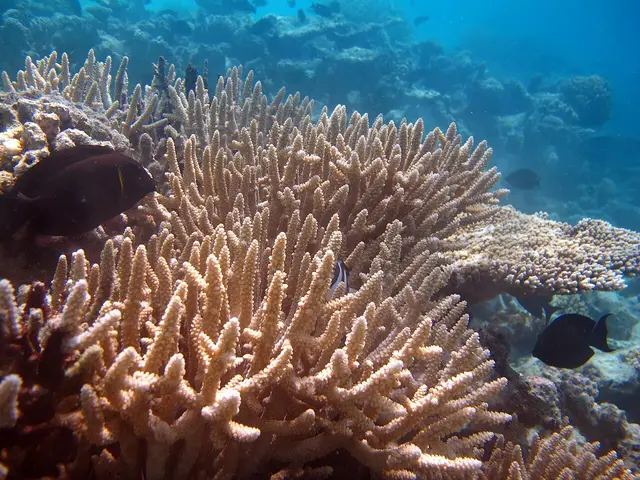 EN
Acropora valenciennesi
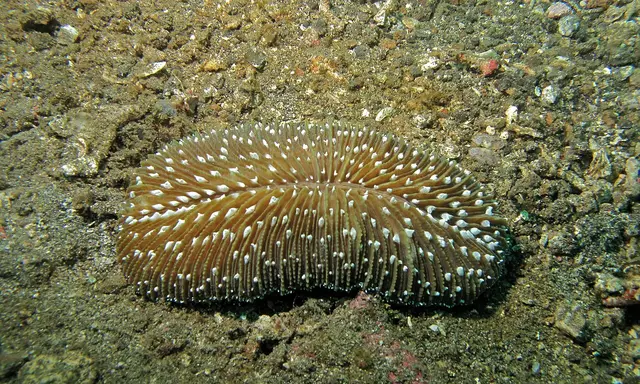 EN
Ctenactis albitentaculata
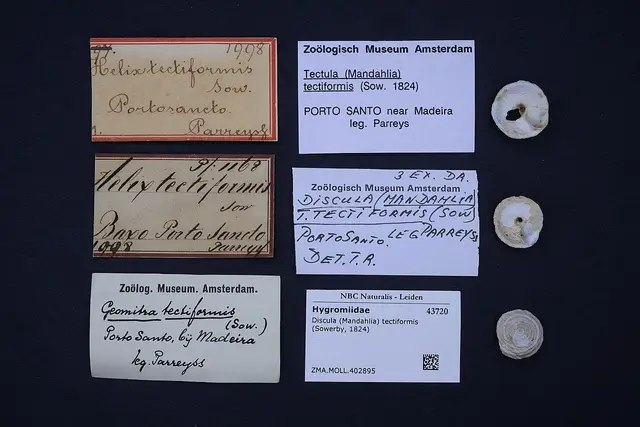 EN
Discula tectiformis
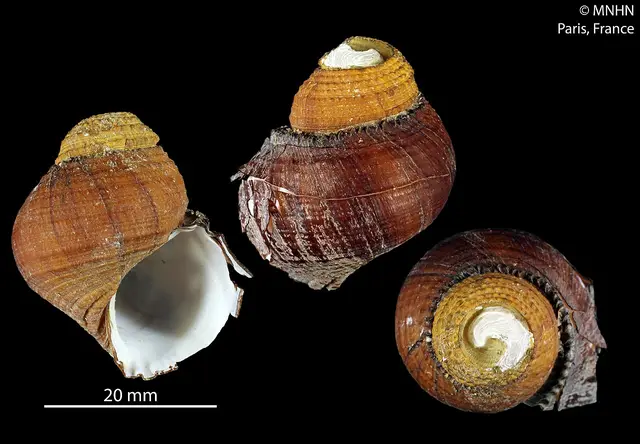 EN
Alviniconcha
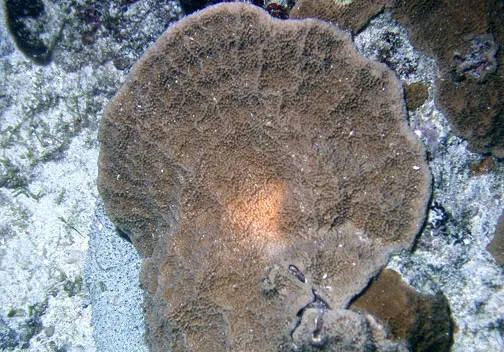 EN
Isopora crateriformis
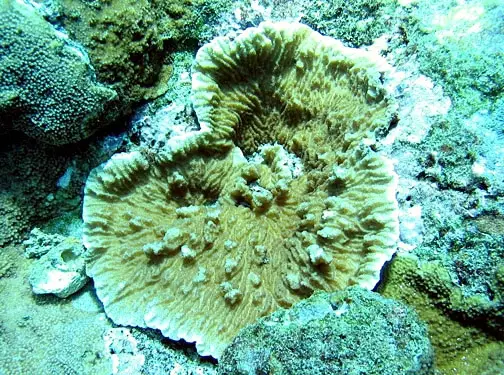 EN
Crispy crust coral
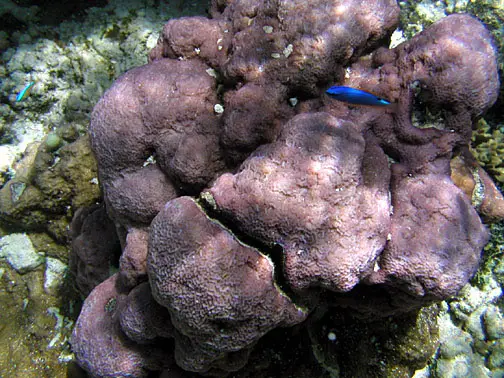 EN
Montipora caliculata
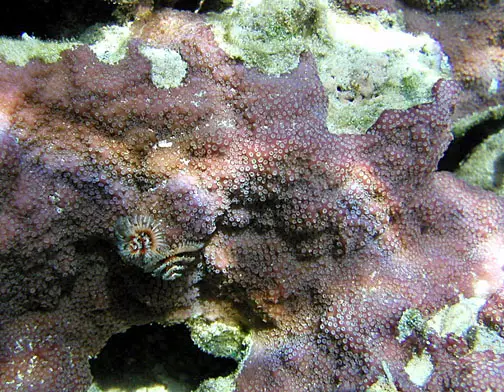 EN
Montipora nodosa
 EN
Samoana conica
Total pins: 12.
Quick answers
- Do all these animals live only in Fiji?
- No. A pin means a Wikidata place field resolved here. Official ranges can be wider.
- Is this a government list?
- No. It is a slice of this catalog.