Colombia
13 catalog pins
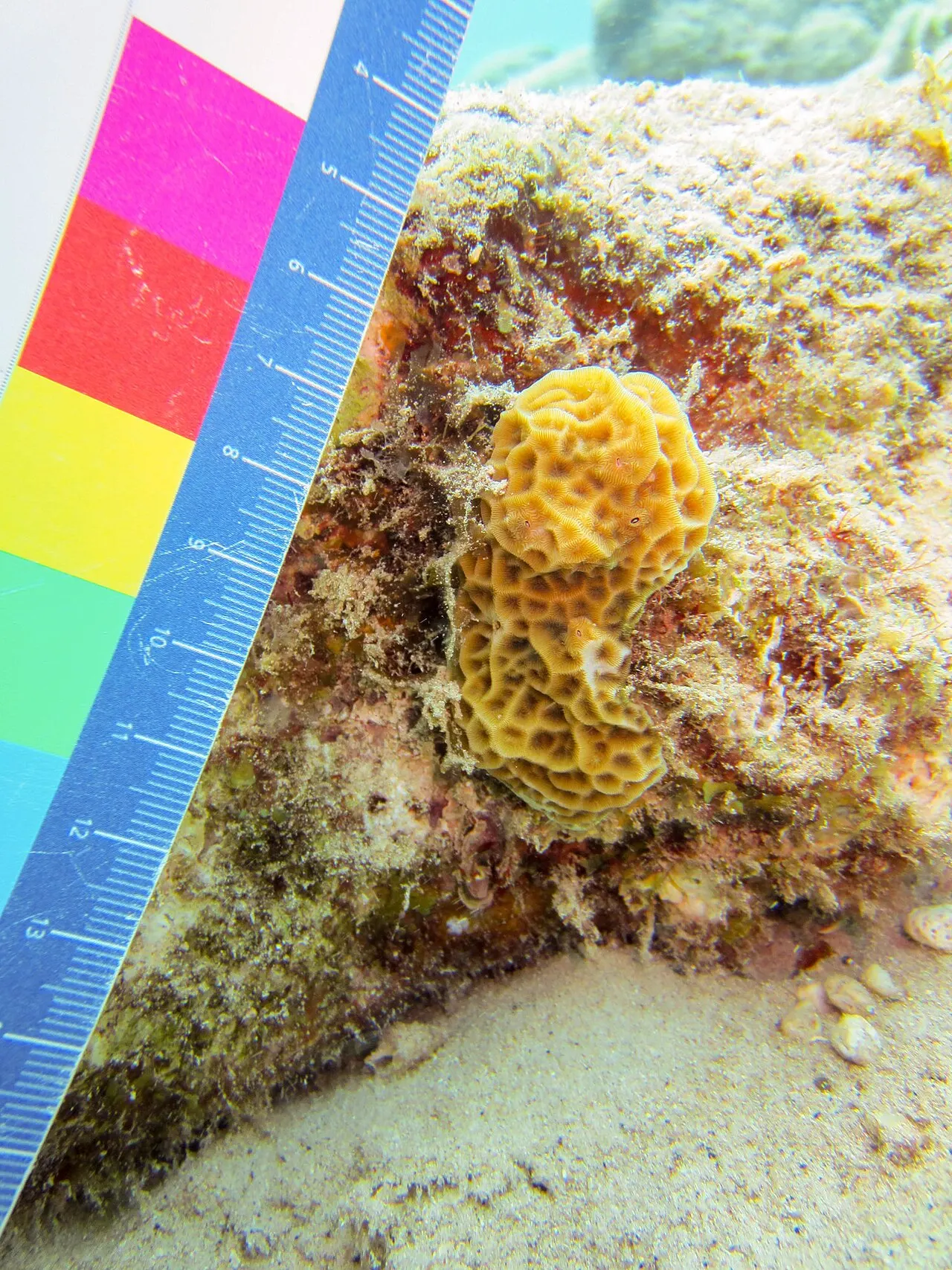
13 animals in this catalog carry a structured country pin for Colombia. That is a filing fact, not a claim that the crisis is only here.
The photograph is one of those animals: Lowrelief Lettuce Coral. Open a dossier for the text, the status, and the map. Use the world map to jump to another country. Confirm official distributions on the Red List.
Colombia is one of the world's megadiverse countries, with Caribbean and Pacific coasts, the Andes, the Amazon, the Orinoquia plains and island groups such as Malpelo and Old Providence. The CBD profile says it holds close to 10% of the planet's biodiversity and lists 314 ecosystem types.
A national count for 2020 gave about 63,000 registered species, with more than 8,800 endemic. Rankings reported include first in birds (1,941 species) and orchids, and second in amphibians (803) and freshwater fish. Two biodiversity hotspots overlap the country: the Tropical Andes and Tumbes-Choco-Magdalena.
Where the pressure comes from
The CBD profile points to habitat loss from agriculture, especially in the Andean and Caribbean regions. It estimates that almost 95% of dry forests and close to 70% of typically Andean forests have been lost from their original cover. Dry forest now covers around 2% of its original extent. Armed conflict, the illegal drug trade, extensive livestock farming, weak land titling, invasive species, climate change and pollution are also named.
A WWF report cited in a wildlife overview found half of Colombia's ecosystems critically degraded or in danger. Mining, oil extraction and deforestation are its main drivers.
What is being done
A national protected area system (SINAP) administered 59 nationally designated areas as of December 2014. Five biosphere reserves exist, among them the Sierra Nevada de Santa Marta (1979) and Seaflower (2000). Caribbean parks include Tayrona and Corales del Rosario y San Bernardo, which holds 52 coral species.
Colombia has been a party to the Convention on Biological Diversity since 1995. The CBD profile gives no protected area coverage or strategy dates, so recent figures need checking against the national environment ministry.
Reading the catalog for Colombia
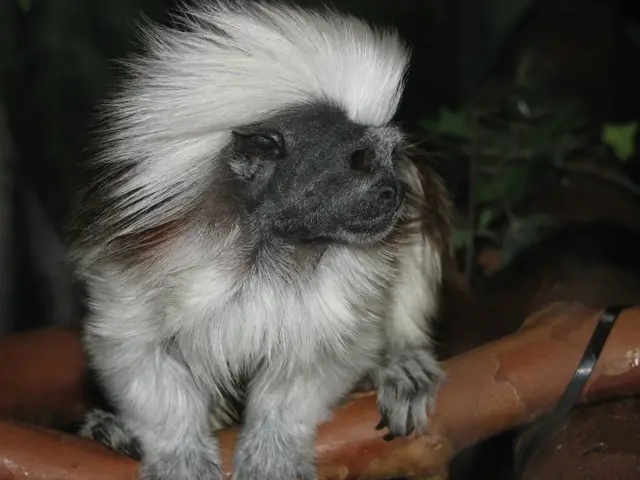
The catalog's list for Colombia has 13 animals: 10 Critically Endangered and 3 Endangered. Corals (Anthozoa) are the largest group with 6 records, which stands out for a country known for birds and amphibians. Birds and amphibians follow with 2 each. The cotton-top tamarin, a small primate, is the one mammal. Colombia is rich in birds and amphibians overall, so a short list reflects what the catalog holds, not how few species are at risk.
Sources for this section
- CBD country profile, Colombia: 10% of biodiversity, ecosystems, forest clearance, drivers, CBD membership
- Wildlife of Colombia (Wikipedia): 63,000 species, endemism, rankings, regions, hotspots, SINAP, biosphere reserves, WWF report
- Tropical Andes (Wikipedia): Tropical Andes hotspot spanning Colombia
What the catalog records for Colombia
The catalog has 13 animals with a country pin for Colombia: 10 Critically Endangered and 3 Endangered. By GBIF class the largest groups are Anthozoa (6), Aves (2), unknown (2), Amphibia (2). The families with the most records are Agariciidae (3), Faviidae (2), Trochilidae (1). A pin means a structured source (Wikidata or a GBIF match) places the animal in Colombia; it does not say the animal lives only there.
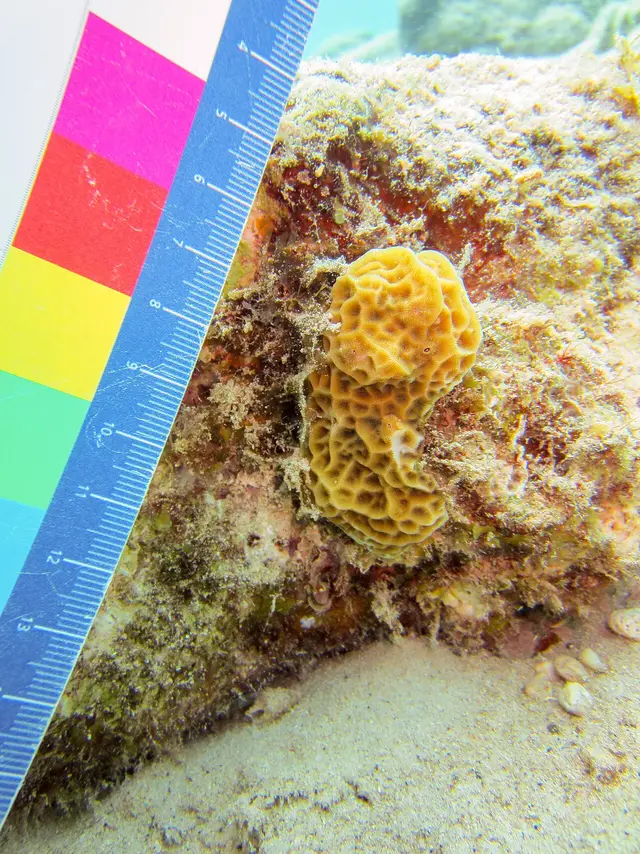 CR
Lowrelief Lettuce Coral
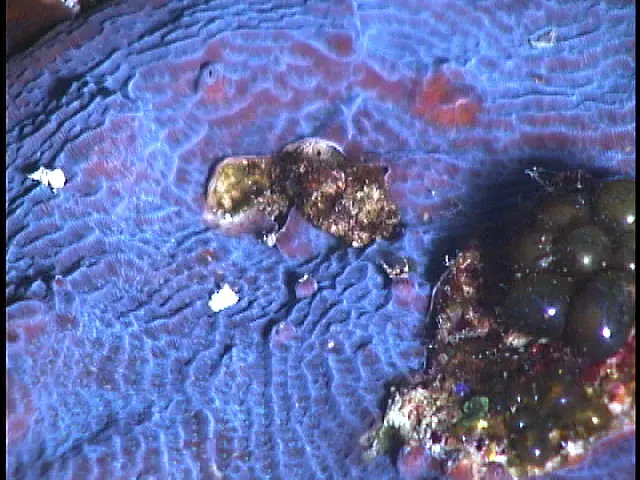 CR
Lamarck's Sheet Coral
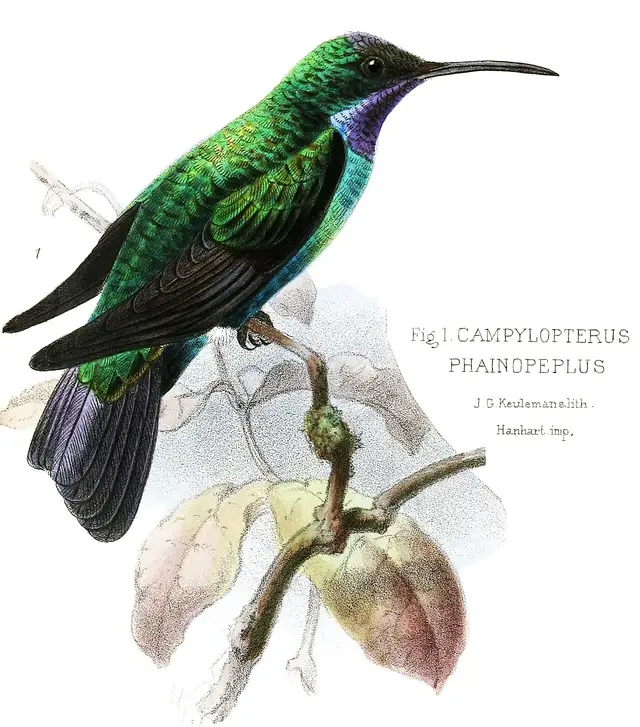 CR
Santa Marta sabrewing
 CR
Cotton-top tamarin
 CR
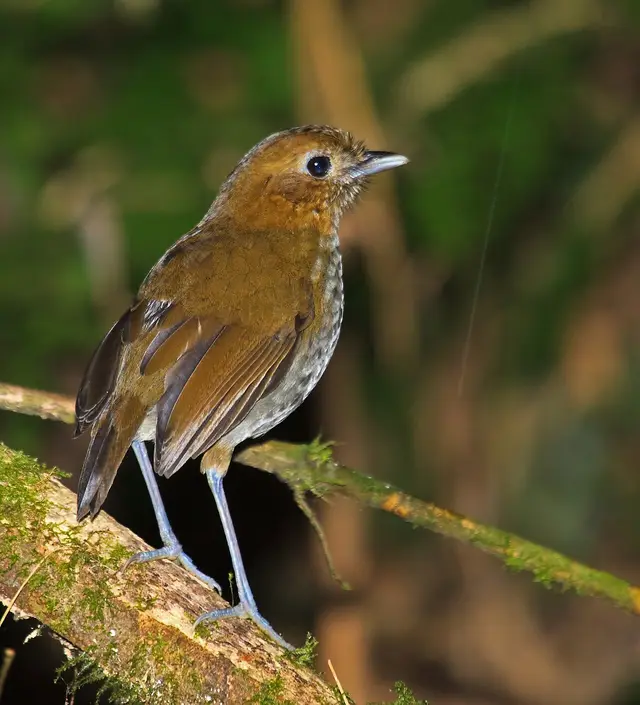
Urrao antpitta
 CR
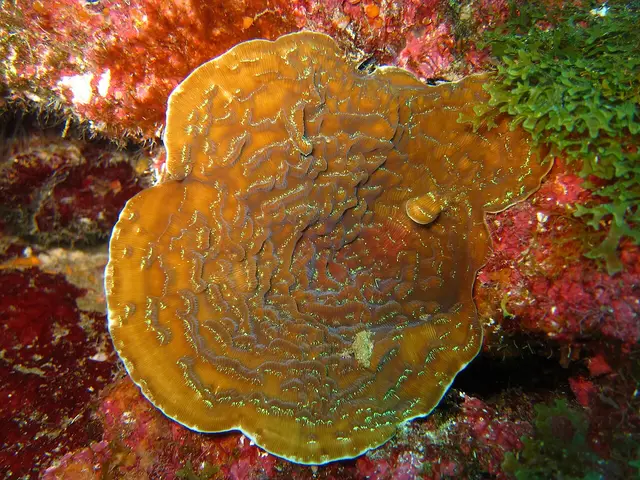
Sunray Lettuce Coral
 CR
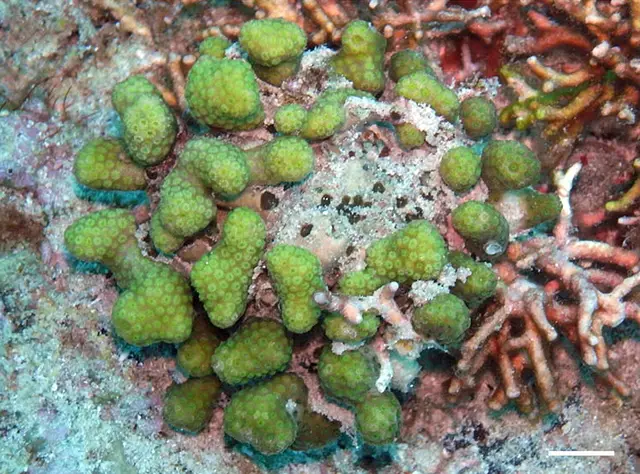
Ten-ray Star Coral
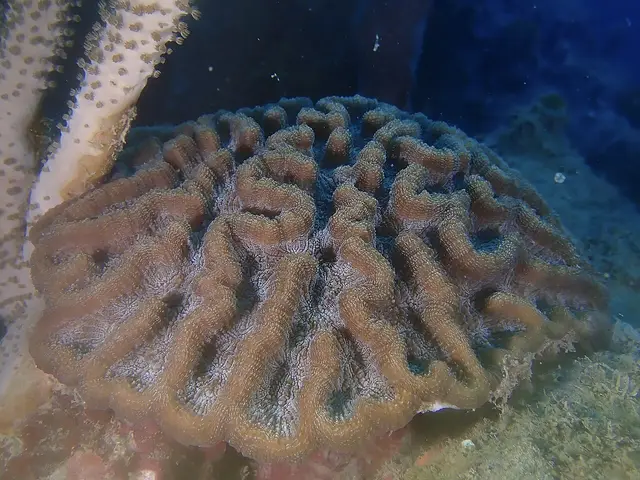 CR
Lowridge cactus coral
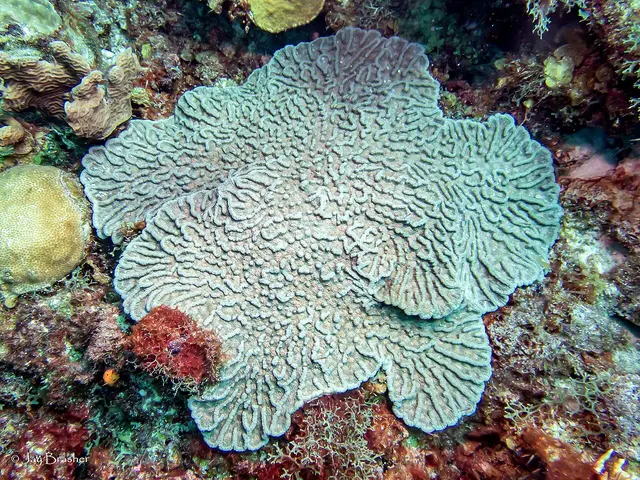 CR
Rough Cactus Coral
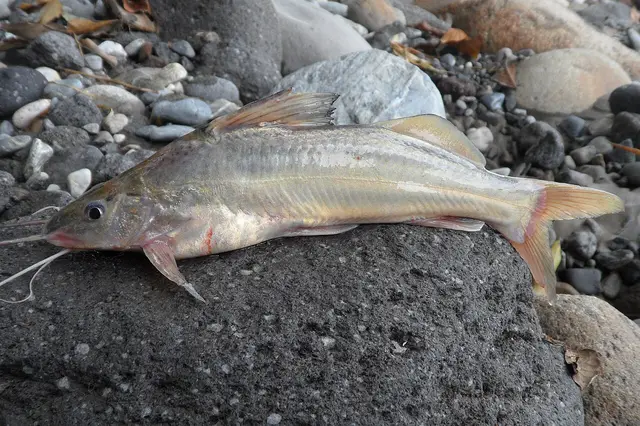 CR
Pimelodus grosskopfii
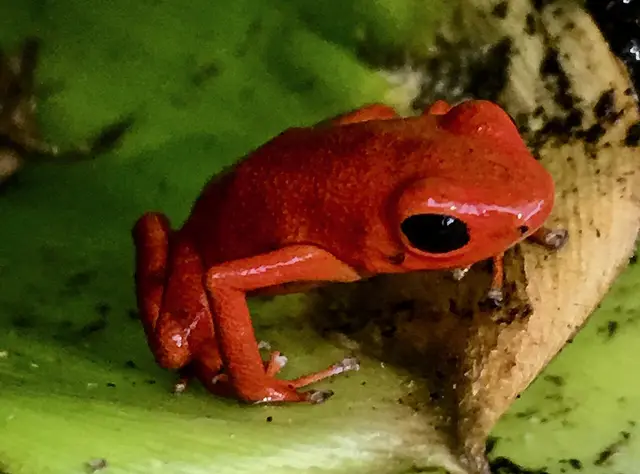 EN
Urabá Poison Frog
 EN
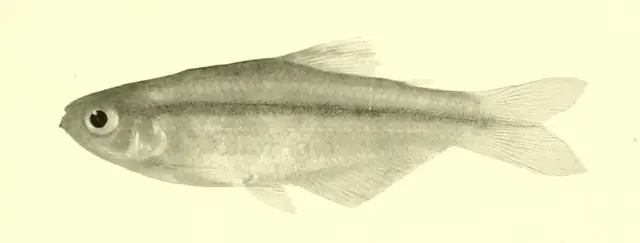
Glandulocauda melanopleura
 EN
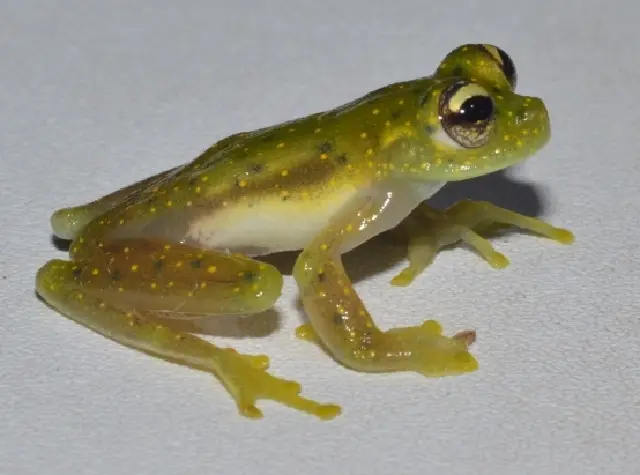
Sachatamia electrops
Total pins: 13.
Quick answers
- Do all these animals live only in Colombia?
- No. A pin means a Wikidata place field resolved here. Official ranges can be wider.
- Is this a government list?
- No. It is a slice of this catalog.