Switzerland
7 catalog pins
7 animals in this catalog carry a structured country pin for Switzerland. That is a filing fact, not a claim that the crisis is only here.
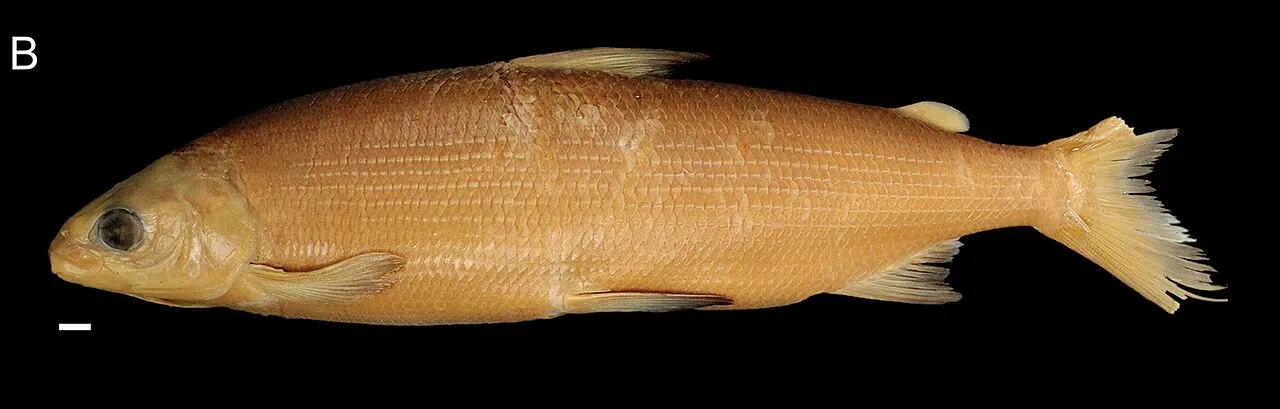
The photograph is one of those animals: Sand Whitefish. Open a dossier for the text, the status, and the map. Use the world map to jump to another country. Confirm official distributions on the Red List.
Much of Switzerland is Alpine, with glaciers, mountain summits, forests and meadows, plus large lakes and rivers. The CBD profile records forest area up about 45% since the late 19th century, but dry meadows down by an estimated 90% since 1945.
Threatened animals are recorded here in part because land and water are used intensively in a small country, and the lakes are the clearest case: several of the large pre-alpine lakes once held whitefish found nowhere else.
Where the pressure comes from
The CBD profile says 40% of evaluated Swiss animal species are on Red Lists, and 224 animal and plant species have become or are presumed to have become extinct over the last 150 years. It names intensive agriculture, urban growth, housing construction, dams, water pollution, invasive species and climate change effects. Nitrogen pollution affects more than 90% of forests.
Eawag, the Swiss aquatic research institute, reports more than 30 endemic whitefish species in the large pre-alpine Swiss lakes, and that around a third went extinct within a few decades. Nutrient pollution (eutrophication) began in the 1950s, bringing oxygen depletion that hit deep-water species hardest. Nutrient levels in Lake Constance have fallen significantly since the 1980s, but extinct species cannot return.
Counting whitefish is hard. A 2020 revision of whitefish from Lakes Brienz and Thun described four new species, so the number of recognised species keeps changing.
What is being done
Switzerland joined the CBD in 1995 and adopted the Swiss Biodiversity Strategy in 2012, with 10 strategic objectives for 2020. Farmers receive payments for managing 7% of used agricultural land as ecological compensation areas, and Biodiversity Monitoring Switzerland follows 33 indicators over the long term.
The Swiss National Park, opened on 1 August 1914, covers about 170 sq km and is a strict nature reserve. The CBD profile also says only 3.2% of forest area is protected, well short of a 10% goal for 2030.
Reading the catalog for Switzerland
The catalog lists 7 animals for Switzerland, all of them Endangered and none Critically Endangered. Records with no class recorded lead, and all three belong to the family Salmonidae, ahead of two snails, a crustacean and a butterfly. No mammals or birds appear in this list.
Sources for this section
- CBD country profile, Switzerland: forest and meadow change, extinctions, Red List share, threats, strategy, protected forest, monitoring
- Eawag, legacy of extinct species in genomes: whitefish losses and eutrophication
- Wikipedia, Coregonus: 2020 revision describing new species in Lakes Brienz and Thun
- Wikipedia, Swiss National Park: founding date, size, strict reserve
What the catalog records for Switzerland
The catalog has 7 animals with a country pin for Switzerland: 7 Endangered. By GBIF class the largest groups are unknown (3), Gastropoda (2), Malacostraca (1), Insecta (1). The families with the most records are Salmonidae (3), Vitrinidae (1), Potamonautidae (1). A pin means a structured source (Wikidata or a GBIF match) places the animal in Switzerland; it does not say the animal lives only there.
 EN
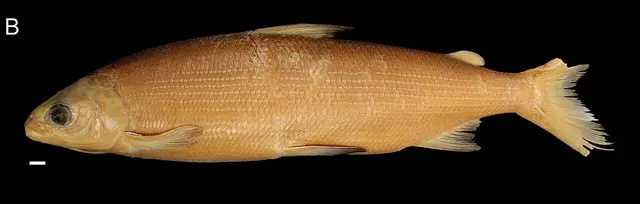
Sand Whitefish
 EN
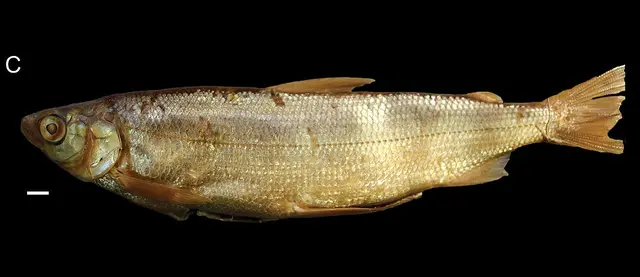
Coregonus macrophthalmus
 EN
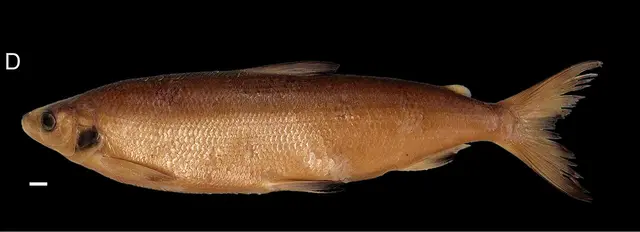
Wartmann's Whitefish
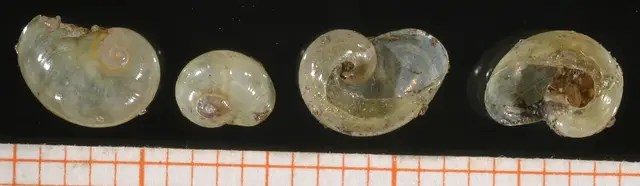 EN
Eucobresia pegorarii
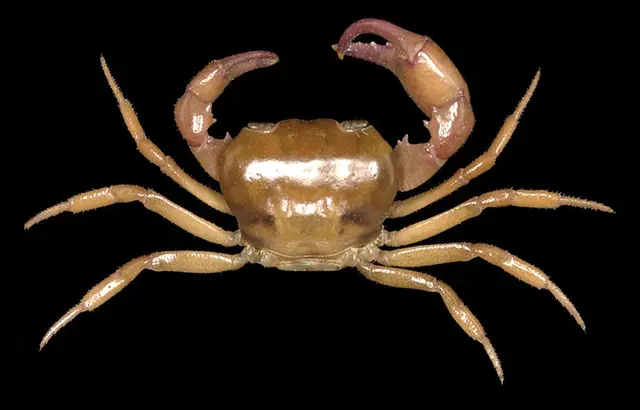 EN
Louisea balssi
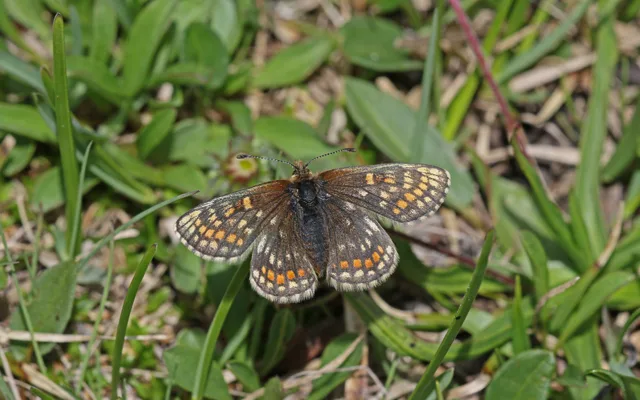 EN
Little Fritillary
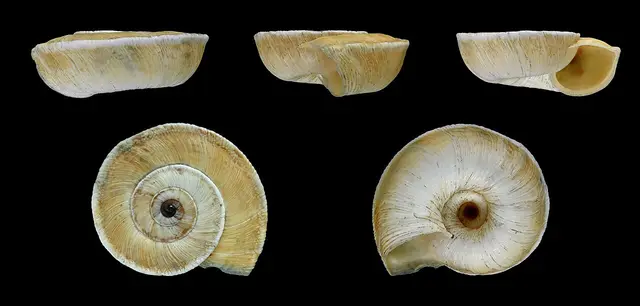 EN
Xerosecta explanata
Total pins: 9.
Quick answers
- Do all these animals live only in Switzerland?
- No. A pin means a Wikidata place field resolved here. Official ranges can be wider.
- Is this a government list?
- No. It is a slice of this catalog.