Democratic Republic of the Congo
6 catalog pins
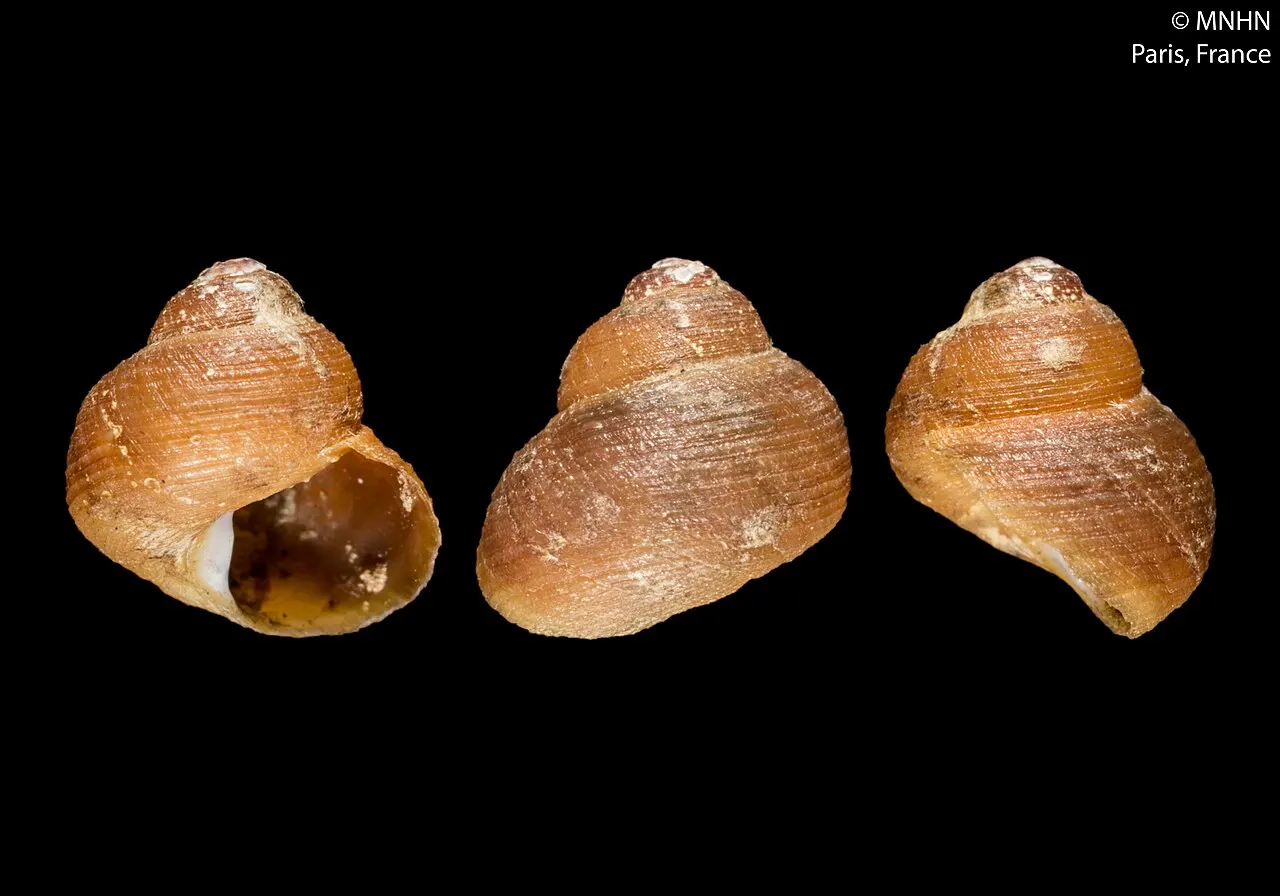
6 animals in this catalog carry a structured country pin for Democratic Republic of the Congo. That is a filing fact, not a claim that the crisis is only here.
The photograph is one of those animals: Pseudogibbula duponti. Open a dossier for the text, the status, and the map. Use the world map to jump to another country. Confirm official distributions on the Red List.
The Democratic Republic of the Congo (DRC) is a vast country of rainforest, seasonally flooded forest and grassland. One source counts it among 17 megadiverse nations, while the CBD profile calls it one of 10 mega-biodiverse countries with a high rate of endemism, and says it holds about half of Africa's freshwater resources.
It is the only country where bonobos live in the wild. Threatened animals are recorded because this wealth of wildlife meets heavy pressure from hunting, mining and years of armed conflict.
Where the pressure comes from
The CBD profile lists deforestation from wood fuel, slash-and-burn farming and unregulated mining quarries; poaching and the bushmeat trade; uncontrolled fishing; pollution linked to oil; and invasive species. It also lists the armed conflicts of 1996 and 1998 and the financing of military activity through resources such as diamonds, gold and coltan. Forest cover fell from 55% in 1990 to 52% in 2000 in the profile's figures.
The profile also says taxonomic inventories had not been kept for more than 70 years and that no biodiversity monitoring system exists. That matters most for freshwater animals. Lake Tanganyika, shared with Tanzania, Burundi and Zambia, holds at least 250 endemic cichlid species, and the DRC holds about 40% of the lake. Fishing since the mid-1950s and warming water have cut fish populations.
What is being done
The DRC ratified the CBD in 1995, produced a first biodiversity strategy in 1999 and revised it in 2002. The profile puts protected areas at about 10% of the territory, with plans to reach 15%, and says implementation has been weak because government priorities focused on poverty reduction.
Five sites are UNESCO World Heritage Sites listed as in danger: Garamba, Kahuzi-Biega, Salonga and Virunga national parks, and the Okapi Wildlife Reserve. Virunga, created in 1925, covers about 7,800 sq km, and armed groups killed about 175 park rangers up to April 2018. Lake Tanganyika was designated a Ramsar wetland on 2 February 2007.
Reading the catalog for the Democratic Republic of the Congo
The catalog lists 6 animals for the DRC. Records with no class recorded lead, and the families in the list are mostly Cichlidae (3), with one each of Assimineidae, Leiothrichidae and Cyprinidae. So the list leans toward fish and snails, with one bird, and fits the concern for the country's lakes and rivers.
Sources for this section
- CBD country profile, DRC: biodiversity ranking, threats, forest cover, protected areas, strategy dates, monitoring gaps
- Wikipedia, Wildlife of the Democratic Republic of the Congo: megadiverse, bonobos, World Heritage sites
- Wikipedia, Virunga National Park: founding, size, ranger deaths
- Wikipedia, Lake Tanganyika: endemic cichlids, fishing and warming, shares, Ramsar date
What the catalog records for Democratic Republic of the Congo
The catalog has 6 animals with a country pin for Democratic Republic of the Congo: 1 Critically Endangered and 5 Endangered. By GBIF class the largest groups are unknown (4), Gastropoda (1), Aves (1). The families with the most records are Cichlidae (3), Assimineidae (1), Leiothrichidae (1). A pin means a structured source (Wikidata or a GBIF match) places the animal in Democratic Republic of the Congo; it does not say the animal lives only there.
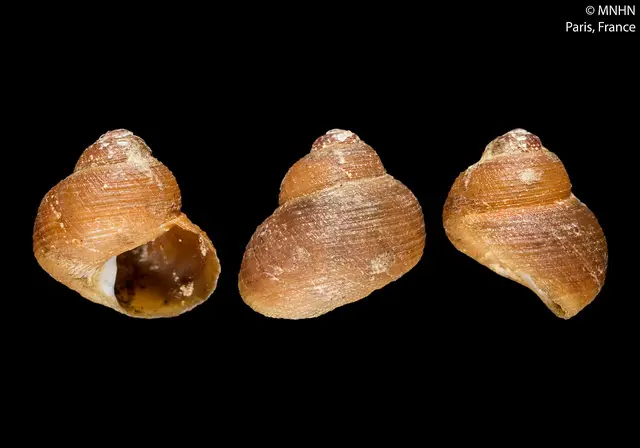 CR
Pseudogibbula duponti
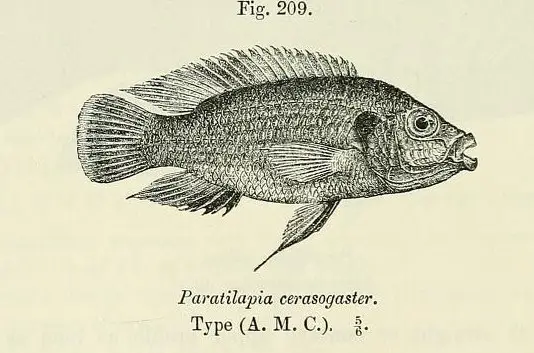 EN
Oranssitimanttiahven
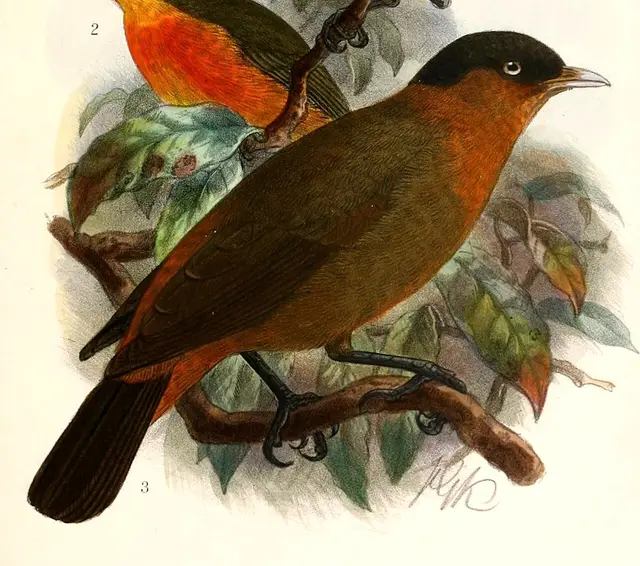 EN
Red-collared babbler
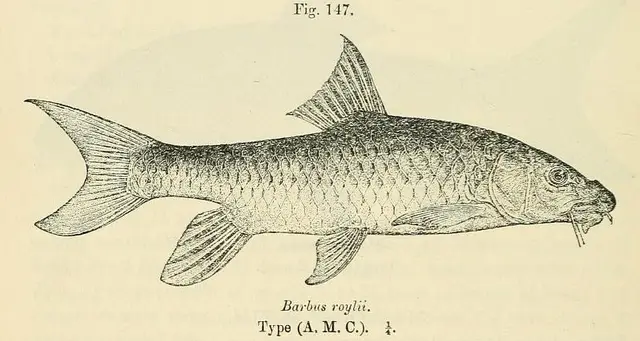 EN
Parma Royleova
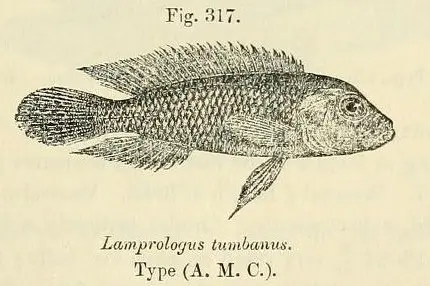 EN
Lamprologus tumbanus
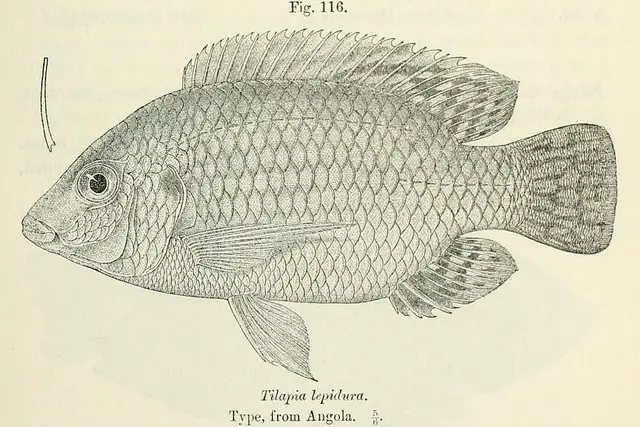 EN
Oreochromis lepidurus
Total pins: 7.
Quick answers
- Do all these animals live only in Democratic Republic of the Congo?
- No. A pin means a Wikidata place field resolved here. Official ranges can be wider.
- Is this a government list?
- No. It is a slice of this catalog.