Endangered
Mount Mulanje Pygmy Chameleon
Rhampholeon platyceps
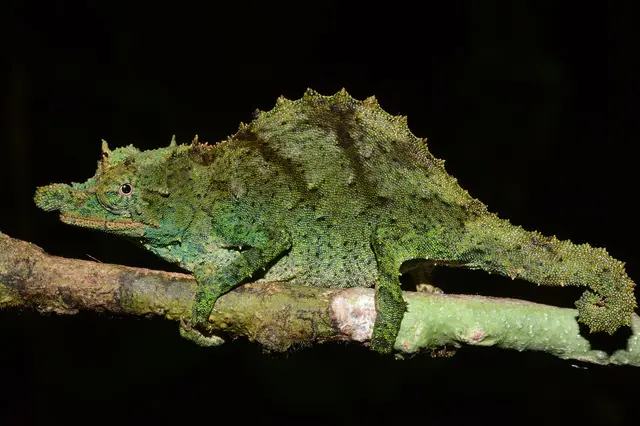
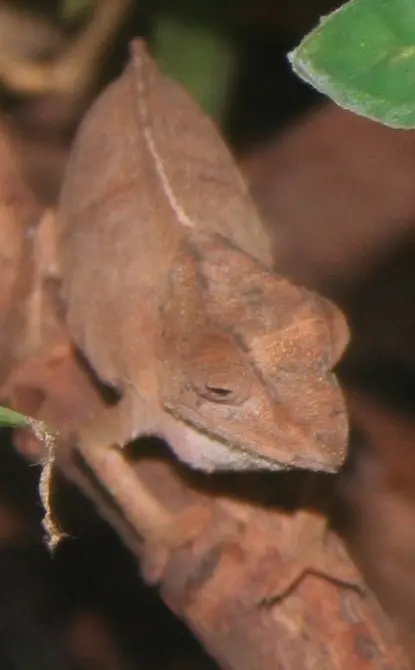
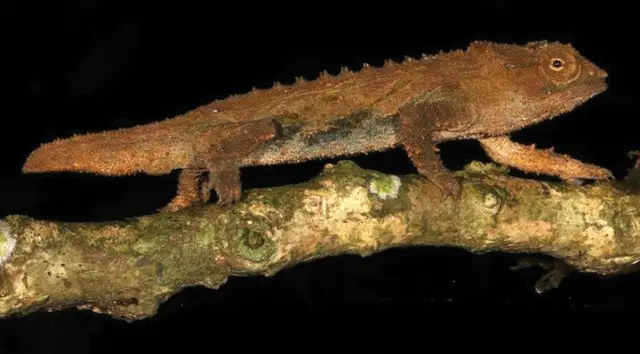
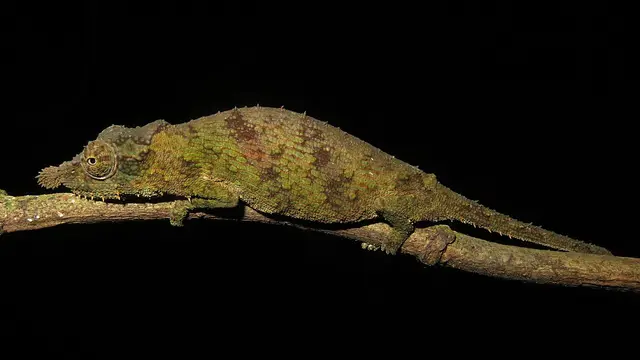
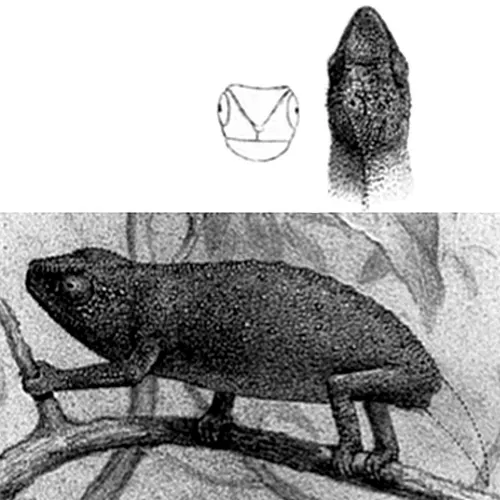
Rhampholeon platyceps, the Mount Mulanje pygmy chameleon or Malawi stumptail chameleon, is a small egg-laying chameleon of the mountain forests of southern Malawi. The IUCN Red List assessed it as Endangered in 2014, with its range tiny and its forest home shrinking and broken into fragments.
How to recognise it
This is one of the stumptail or pygmy chameleons of the genus Rhampholeon. Albert Günther described it in 1893, and its Latin name means broad-headed or flat-headed. It is the type species of the subgenus Rhinodigitum.
A subspecies once described as Brookesia platyceps carri has since been folded into it, so only one species is recognised. It lays eggs, like most chameleons.
Where it lives
The species is best known from the Mulanje Massif in the far south-east of Malawi, near the Mozambique border, and Mulanje Mountain is its restricted type locality. The massif rises from plains at 600 to 700 metres to plateaus of 1,800 to 1,900 metres, with peaks reaching 3,002 metres.
The IUCN assessment lists Malawi only, with five locations, a range of about 900 to 1,900 metres, and a single habitat, moist montane forest. It estimates the extent of occurrence at about 220 square kilometres and the area actually occupied at about 61. The Reptile Database also gives a Mozambican population on the Namuli Massif, so sources do not agree on whether the species is confined to Malawi. The Mulanje forest reserve is a Key Biodiversity Area, and the Mount Mulanje pygmy chameleon is one of the species that qualified it.
Pins are Wikidata “endemic to” fields. Orange dots, when present, are GBIF occurrence tiles — survey bias included.
Why it is in trouble
The IUCN reports a decreasing population, a continuing loss of habitat and a severely fragmented range. The threats it names are small-holder farming, large-scale farming and the unintended effects of timber harvesting.
Mulanje's forests have been under pressure for years. The Key Biodiversity Area record lists shifting agriculture, logging, invasive pines, fires and development among the threats, and also mentions illegal felling of Mulanje cedar. Satellite data from Global Forest Watch, reported by Mongabay in 2025, showed the forest reserve losing nearly 600 hectares of primary forest, about 21%, between 2002 and 2023, with a spike in 2023. Many fires are set deliberately, and demand for firewood and charcoal plays a part.
What is being done
Mulanje has been a forest reserve since 1927, and about 89% of the Key Biodiversity Area is protected. The IUCN says conservation sites have been identified across the species' whole range, and lists site management, habitat protection, control of problem species and habitat restoration as relevant actions. It also records that no species recovery plan and no systematic monitoring scheme exist for this chameleon.
Restoration on the mountain is mostly aimed at the Mulanje cedar, with village seedling nurseries, community fire patrols and firebreaks, and projects that offer local income as an alternative to firewood sales. Those efforts could help the wider forest, but no source measures their effect on the chameleon.
Sources
Written for this catalog in our own words from the sources below, checked against them on 12 November 2026. Population figures are estimates and carry the year they were made. Status and assessment year: IUCN. 2026. The IUCN Red List of Threatened Species. Version 2026-1. iucnredlist.org.