Endangered
Banded Ground Gecko
Goniurosaurus splendens
The banded ground gecko (Goniurosaurus splendens) is a small, clawed, ground-living gecko found only on Tokunoshima, an island in southern Japan. The IUCN Red List rated it Endangered in 2017. It was long treated as a subspecies of the Okinawan Kuroiwa's ground gecko, and is now recognised as a species in its own right.
How to recognise it
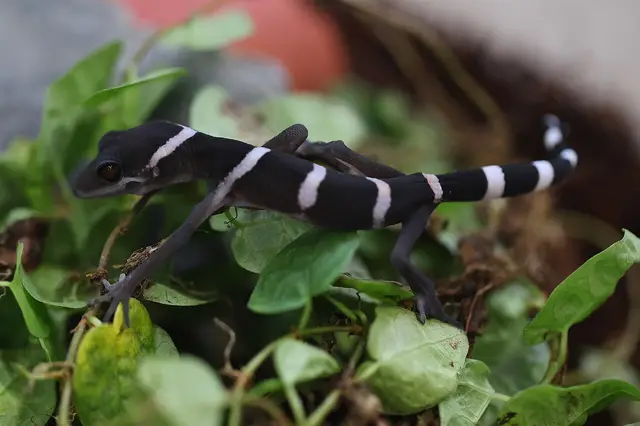
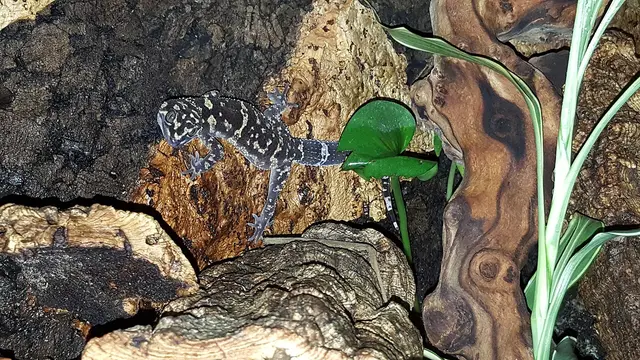
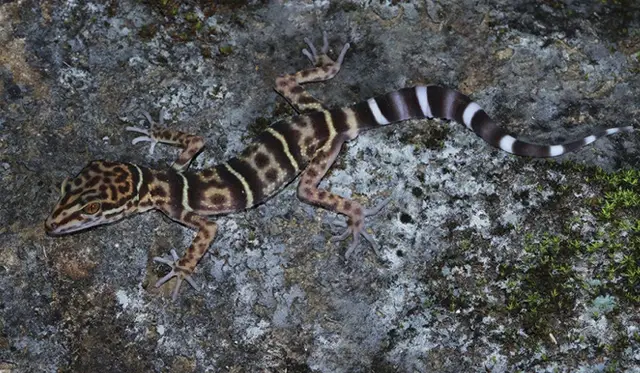
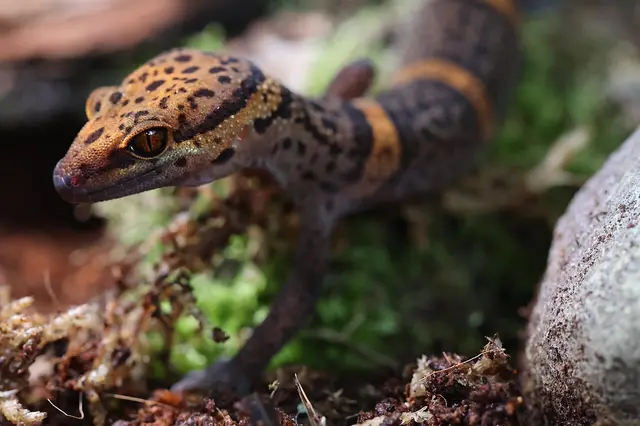
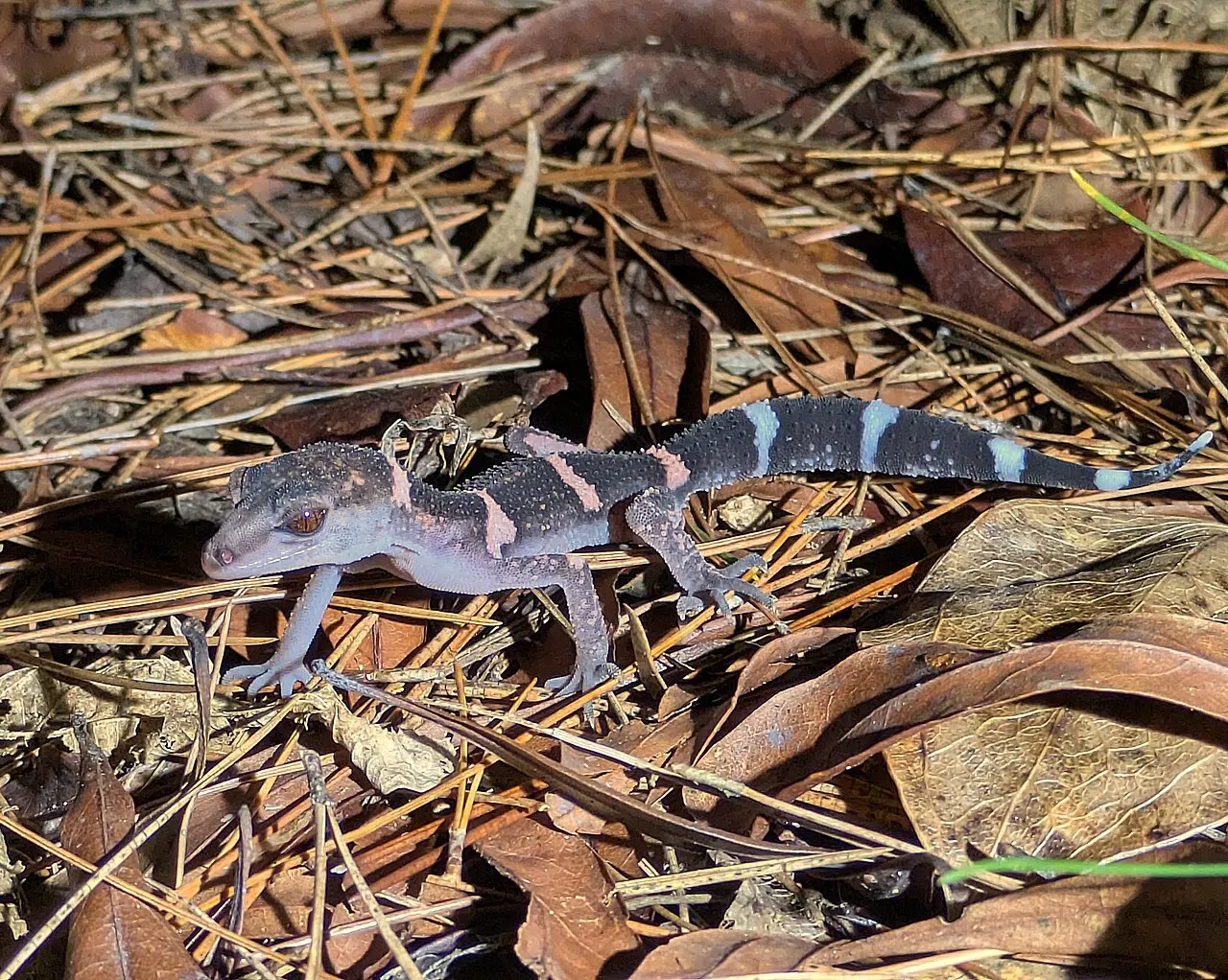
It's a gecko about 15 cm long including the tail, a figure from a Kagoshima Prefectural Museum note published in 2007. The body is blackish brown above and cream below, with pale pink crossbands: one behind the neck and three across the back. The tail carries several white rings, and the base of the adult tail is swollen.
Unlike house geckos, it has no sticky toe pads. Its toes end in claws, and it doesn't climb trees or walls. When threatened it raises its tail and sways its body.
Where it lives
The species is found only on Tokunoshima, in the Amami Islands of Kagoshima Prefecture. The first specimen described, in 1959, came from a limestone cave at Kametsu on the island. The IUCN assessment counts just three locations.
It lives mainly in damp forest on low hills and around them, in limestone caves and on rocky stream banks. The IUCN also lists rural gardens and arable land among its habitats, and the museum note says it's sometimes seen near houses in the hills.
Pins are Wikidata “endemic to” fields. Orange dots, when present, are GBIF occurrence tiles — survey bias included.
How it lives
It's nocturnal and most active from May to August. It eats small animals from the forest floor, including spiders, earthworms and insect larvae. Females lay eggs. On quiet forest roads at night, several can be met in a single drive, and because they move slowly they're often run over.
Why it is in trouble
The 2017 assessment records a decreasing population and an estimated range of about 248 square kilometres. It names collection for the pet and display trade as a threat, along with roads, housing and small-holder farming. The Kagoshima museum note had already blamed habitat loss and over-collecting for ornamental sale for a steep decline, and the prefecture made it a protected natural monument in April 2003 and a protected rare species in March 2004. No population count has been published.
What is being done
In 2015 Japan's Ministry of the Environment proposed adding the gecko to the list of nationally designated rare species under the Act on Conservation of Endangered Species of Wild Fauna and Flora. Designation brings a general ban on catching and transferring the animals.
The IUCN lists site protection and trade management as the actions needed, and records that it is unknown whether the species occurs in a protected area.
Sources
Written for this catalog in our own words from the sources below, checked against them on 12 November 2026. Population figures are estimates and carry the year they were made. Status and assessment year: IUCN. 2026. The IUCN Red List of Threatened Species. Version 2026-1. iucnredlist.org.
- IUCN Red List assessment, Goniurosaurus splendens (2017)
- Kagoshima Prefectural Museum, Kagoshima no shizen dayori no. 13 (2007), Obi-tokagemodoki
- Reptile Database, Goniurosaurus splendens
- Ministry of the Environment press release, proposed designation of rare species (23 March 2015)
- Banded ground gecko, Wikipedia