Endangered
Wynad day gecko
Cnemaspis wynadensis
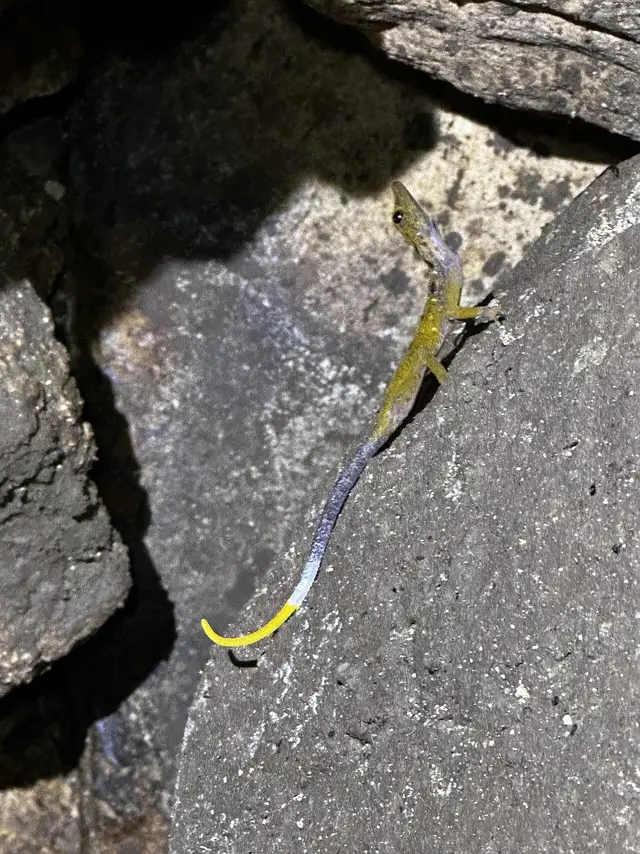
The Wynad day gecko (Cnemaspis wynadensis) is a small, brown, forest-dwelling lizard found only in the Western Ghats of Kerala, India, at two known sites. The IUCN Red List rated it Endangered in 2013. Almost nothing has been published about how it lives.
How to recognise it
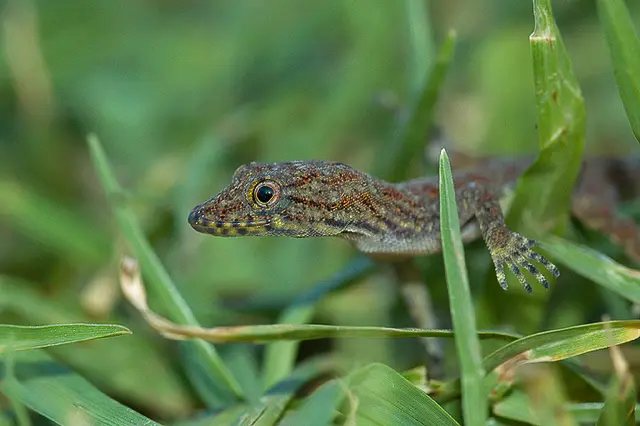
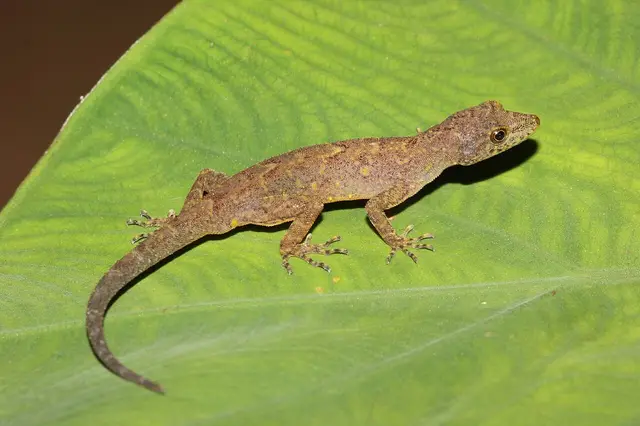
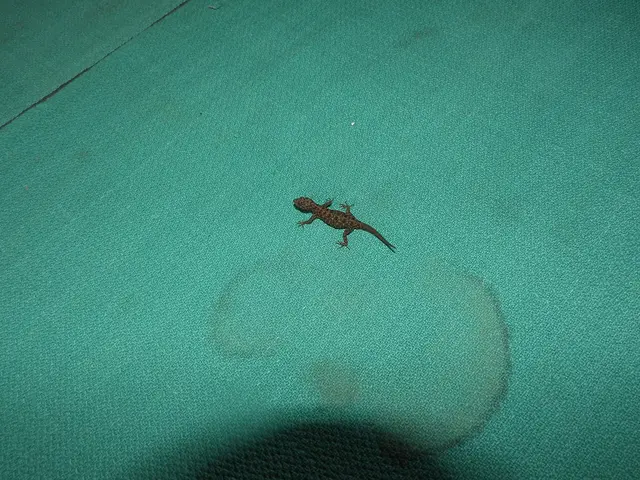
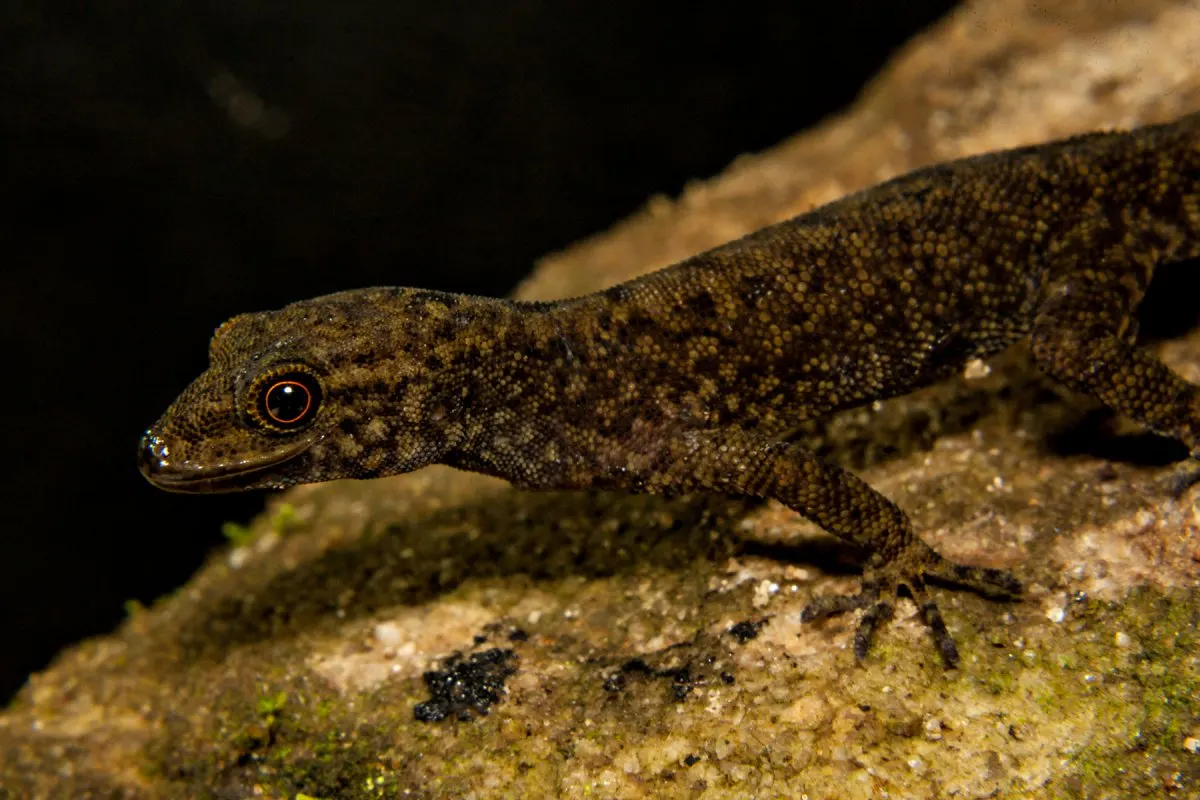
This is a small gecko. Adults reach roughly 4 cm from snout to vent, with a tail of a similar length, and the largest measured body length on record is about 4.1 cm. The back is brown, marbled with darker and paler patches, and the underside is brownish.
Up close, the head is finely granular, the back carries large rounded scales with small bumps, and the belly scales are smooth. Males have four to six pores along each thigh.
Where it lives
The species is endemic to Kerala. It is recorded from the Wayanad hills and from Silent Valley National Park, and the IUCN counts only two locations. The original description gave the type locality loosely as Wynaad and the hill ranges further south, in moist forests.
The Red List places it in subtropical and tropical moist montane forest. The area it occupies is restricted, and the IUCN records that this area is still shrinking.
Pins are Wikidata “endemic to” fields. Orange dots, when present, are GBIF occurrence tiles — survey bias included.
How it lives
Very little has been published on its daily life. The species lays eggs, and that is about all that is recorded on its reproduction. Diet and home range are not described.
A 2020 paper in Vertebrate Zoology describing two new geckos from north Kerala places them in the same group as this species, the wynadensis clade, and found them mostly on rocky outcrops inside forest patches. That hints at the surfaces the group favours, though nobody has shown the same for this species.
Why it is in trouble
The 2013 assessment rates the species Endangered because its range is tiny and its forest habitat is shrinking. The threats it lists are farming on an industrial scale, tourism and recreation areas, and housing and urban development, all of which convert forest to something else. The assessment records a continuing decline in the area the gecko occupies. Its population trend is listed as unknown, and no population count exists.
What is being done
The gecko occurs in at least one protected area, Silent Valley National Park. Beyond that, the assessment records no species recovery plan, no systematic monitoring scheme, no regional management plan and no species-specific invasive control. The conservation actions it lists as needed are protection of the sites and of the wider forest habitat.
Counting how many geckos actually live in the Wayanad hills and Silent Valley would be a first step, since no population figure exists.
Sources
Written for this catalog in our own words from the sources below, checked against them on 12 November 2026. Population figures are estimates and carry the year they were made. Status and assessment year: IUCN. 2026. The IUCN Red List of Threatened Species. Version 2026-1. iucnredlist.org.