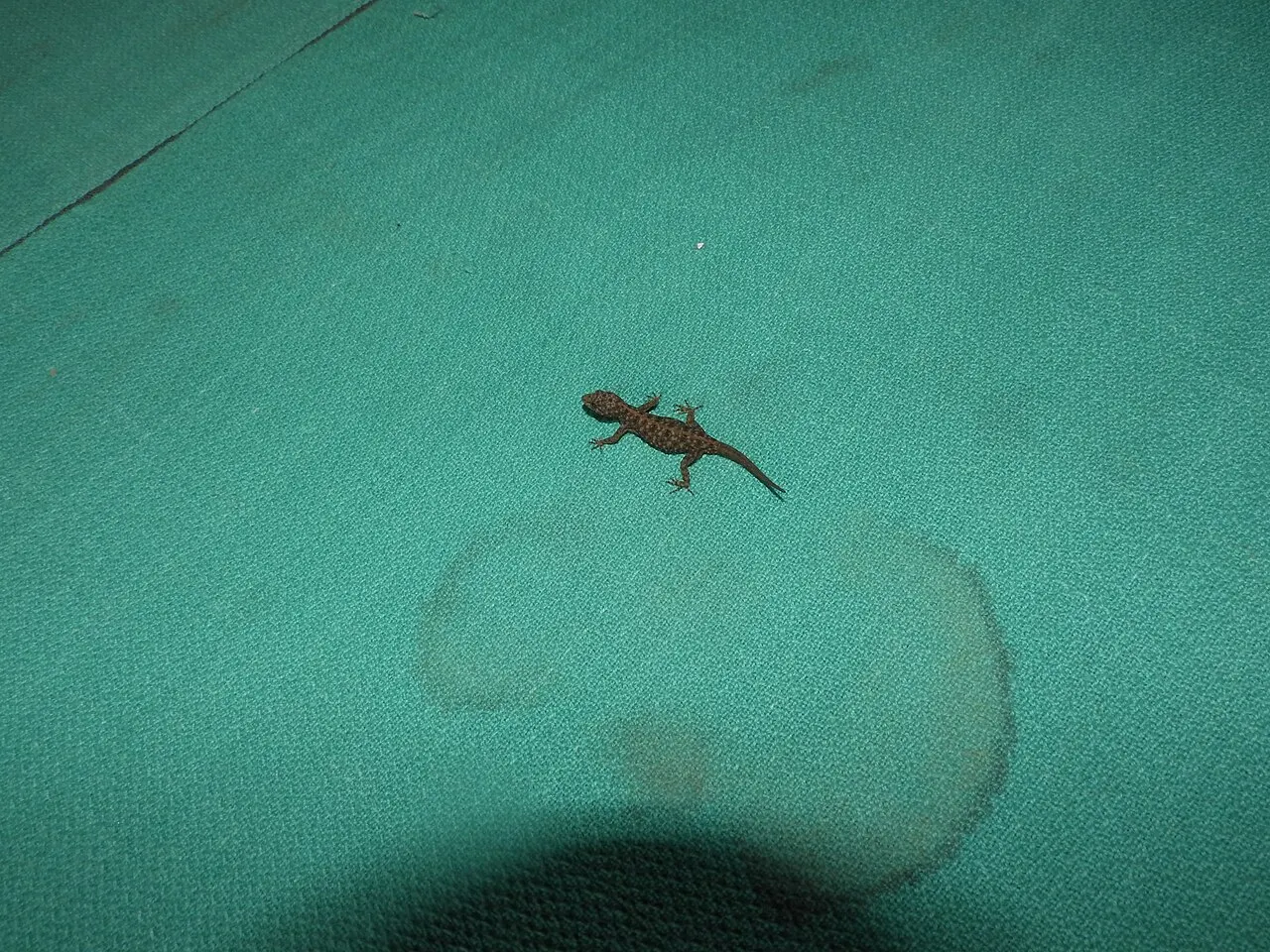
Endangered
Yercaud day gecko
Cnemaspis yercaudensis
The Yercaud day gecko, Cnemaspis yercaudensis, is a small gecko of the Shevaroy Hills and the neighbouring Kolli Hills in Tamil Nadu, southern India. It lives in dry tropical forest between roughly 1,300 and 1,500 metres and was rated Endangered on the IUCN Red List in 2021.
How to recognise it
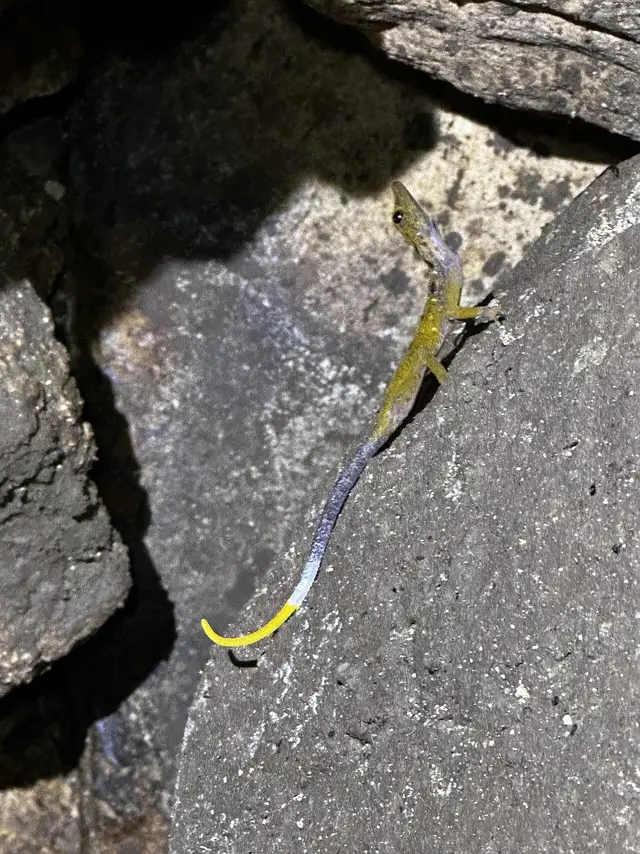
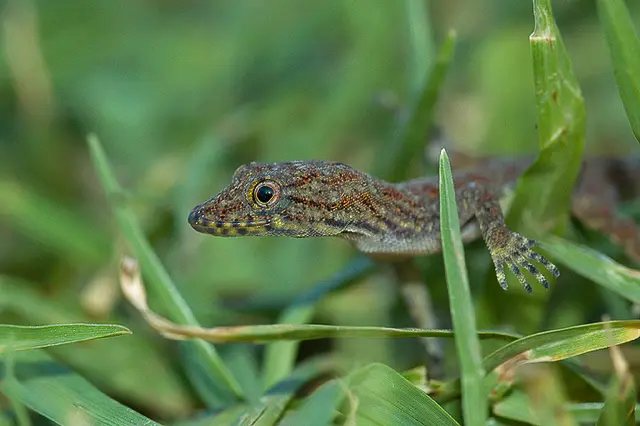
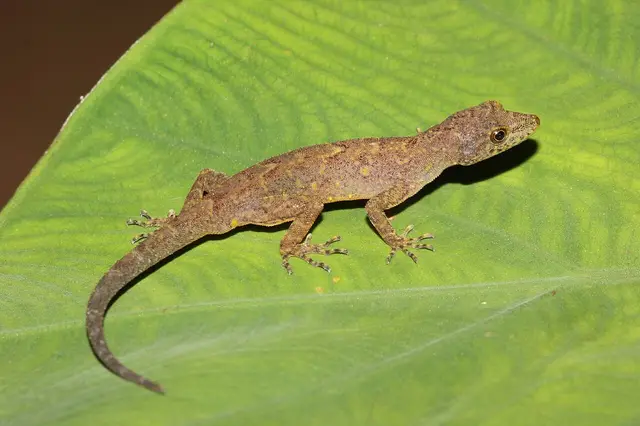
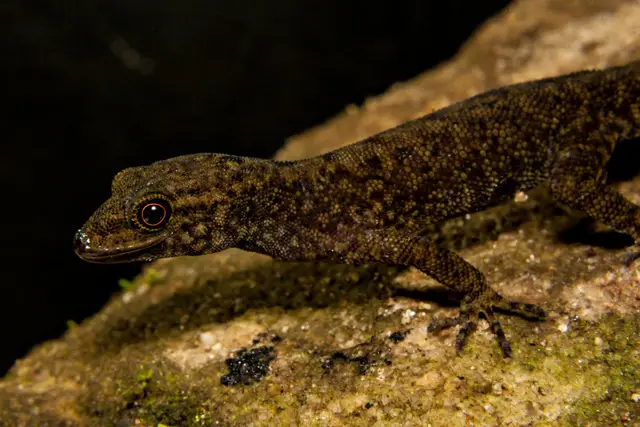
This is a tiny lizard, with a snout-to-vent length under 30 millimetres. The back is grey-brown with a pale stripe running along the spine, and the throat is plain yellow. Its back scales are granular and weakly keeled, with a few rows of larger, strongly keeled scales on the flanks, but it has no spine-like scales along the sides. Males carry three pores on each thigh and two joined pores in front of the vent.
The species lays eggs.
Where it lives
Das and Bauer described the species in 2000 in the Russian Journal of Herpetology. The type locality is Yercaud town, in the Shevaroy Range of Salem District, at about 1,515 metres. A 2023 study of Cnemaspis in Vertebrate Zoology lists it from the high ground of Kollimalai and Yercaud, and notes that all the species in its clade are tied to granite boulders.
The IUCN assessment gives an extent of occurrence of about 1,062 square kilometres across four locations, at 1,300 to 1,500 metres, in dry tropical forest. The population is recorded as severely fragmented. In one mitochondrial gene, the 2023 study found it at least 13 per cent different from the other species it compared in the group.
Pins are Wikidata “endemic to” fields. Orange dots, when present, are GBIF occurrence tiles — survey bias included.
Why it is in trouble
The 2021 assessment names agro-industry farming and herbicide and pesticide use as threats. The area it occupies and the number of locations are both recorded as declining. The scale and speed of the decline have not been quantified, and the population trend is listed as unknown.
The 2023 study adds, about the group in general, that rocky granite habitats in the region are under heavy pressure from quarrying. That is a general remark, not a threat the assessment assigns to this gecko.
What is being done
The only conservation action recorded is site protection. Research on threats, ecology, and population size and distribution is listed as needed.
Sources
Written for this catalog in our own words from the sources below, checked against them on 12 November 2026. Population figures are estimates and carry the year they were made. Status and assessment year: IUCN. 2026. The IUCN Red List of Threatened Species. Version 2026-1. iucnredlist.org.