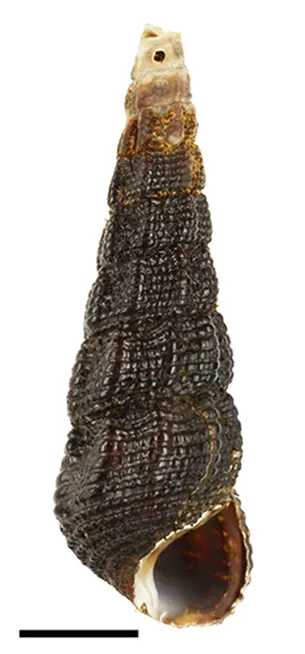
Endangered
Tylomelania towutica
Tylomelania towutica
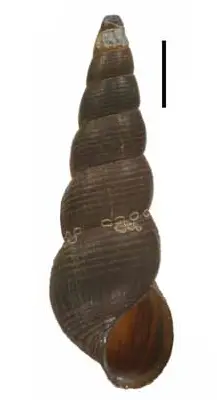
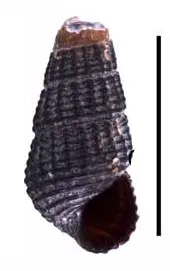
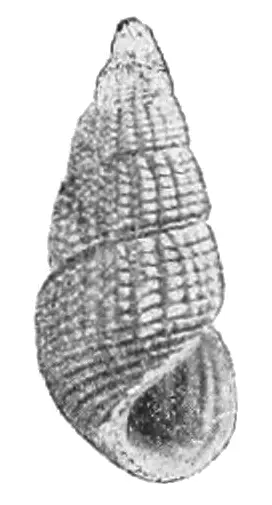
Tylomelania towutica is a freshwater snail from Lake Towuti and the Tominanga River in southern Sulawesi, Indonesia. The IUCN Red List assessed it as Endangered in 2019, noting that it is known from a single location and faces mining, dams, nutrient pollution and harvesting.
What it is
This is a freshwater snail with an operculum, a horny plate that seals the shell opening, in the family Pachychilidae. Tylomelania snails are known to aquarists as rabbit snails, and a conservation project description calls the genus the largest species flock in Sulawesi's ancient lakes. Kruimel first described the species in 1913 as Melania towutica, and its name refers to Lake Towuti.
Females usually carry between 1 and 7 embryos in a brood pouch, so the young hatch as small snails rather than from free-floating eggs.
Where it lives
Lake Towuti is the largest lake on Sulawesi, with a surface area of about 561 square kilometres and a maximum depth of around 203 metres. It is one of five lakes in the Malili system, which is home to many endemic fishes, shrimps, crabs and Tylomelania snails. The type locality of this species is near Loeha Island in Lake Towuti.
The IUCN lists habitats as permanent freshwater lakes of more than 8 hectares and permanent rivers and streams, and treats the lake and river as a single location, with an extent of occurrence of 584 square kilometres. It describes the snail as non-migratory and gives a generation length of 1 to 2 years.
Pins are Wikidata “endemic to” fields. Orange dots, when present, are GBIF occurrence tiles — survey bias included.
Why it is in trouble
The 2019 assessment gives the Endangered rating under criteria A3e and B1ab(iii)+2ab(iii). The IUCN lists a continuing decline in habitat area, though the population trend itself is recorded as unknown. It projects a population reduction of 50 percent in future, citing the effects of introduced species, pollutants and similar pressures.
The threats it records are dams, mining and quarrying, nutrient loading, small-scale harvesting for use, and an unspecified problem species. A project description from the conservation group SHOAL says the Malili lakes have also been affected by nickel mining in their watershed, though efforts have been made to limit the effect on water quality, and lists invasive species, sedimentation and aquarium collection among the severe threats to the lakes' fauna.
The species is reportedly part of the ornamental pet trade for freshwater aquaria, which fits the IUCN's mention of harvest.
What is being done
The IUCN names resource and habitat protection, harvest management and control of invasive or problem species as conservation actions needed. SHOAL has proposed a conservation action plan for Sulawesi's ancient lakes, noting that earlier work was mostly limited to survey and research.
Sources
Written for this catalog in our own words from the sources below, checked against them on 12 November 2026. Population figures are estimates and carry the year they were made. Status and assessment year: IUCN. 2026. The IUCN Red List of Threatened Species. Version 2026-1. iucnredlist.org.