Endangered
Sphaerodactylus torrei
Sphaerodactylus torrei
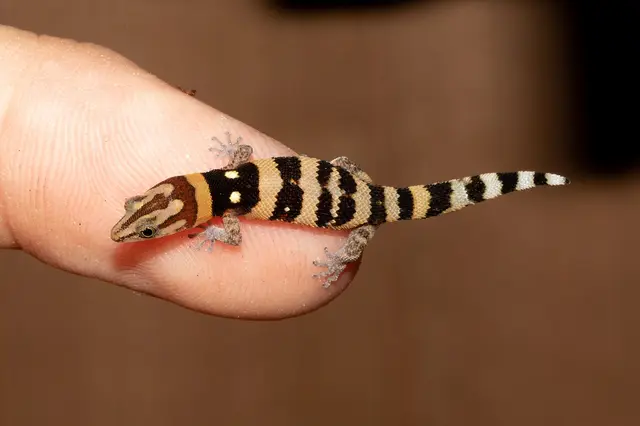
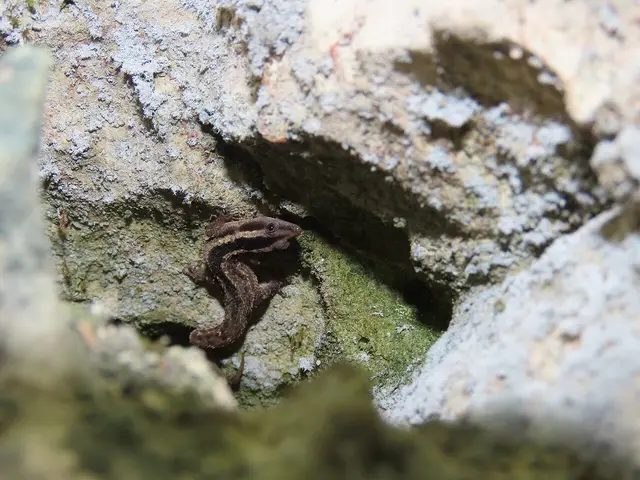
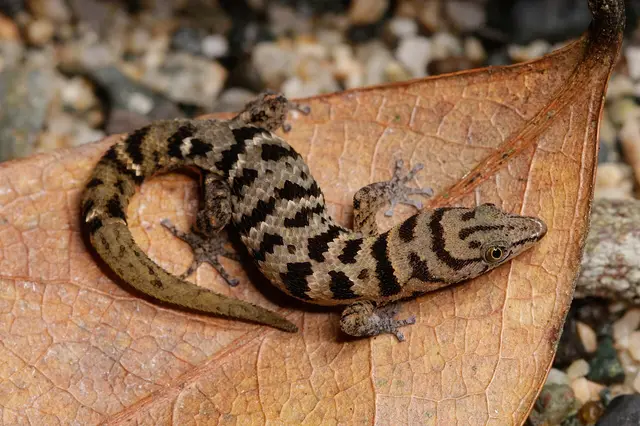
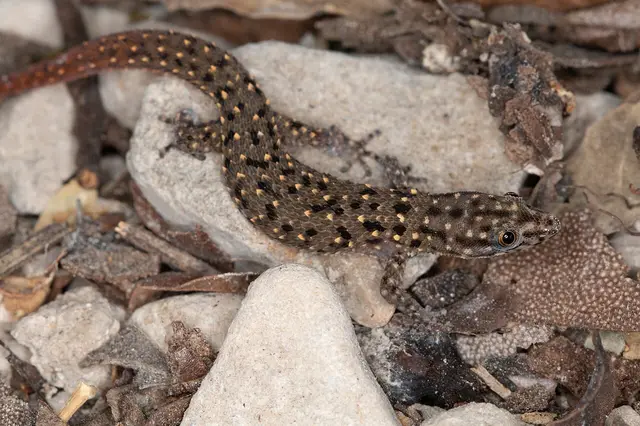
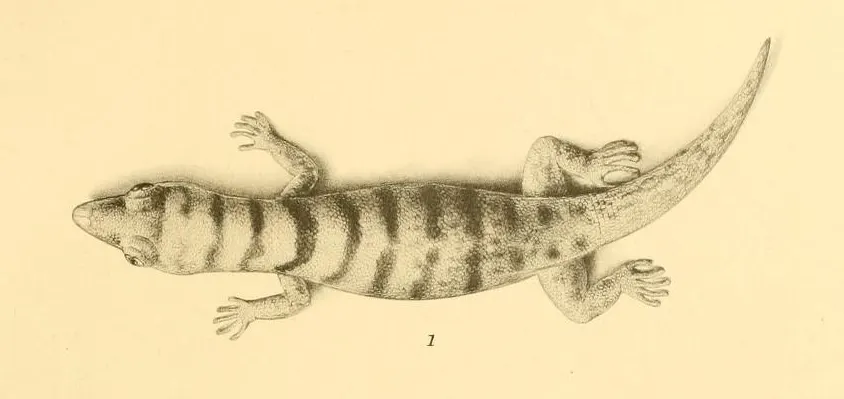
Sphaerodactylus torrei, called Barbour's least gecko or the Cuban broad-banded geckolet, is a small egg-laying lizard found only in Cuba. It lives in forest in the south-east of the island and is listed Endangered on the IUCN Red List (2017 assessment), with just four known locations.
How to recognise it
This is a dwarf gecko, a member of the family Sphaerodactylidae. Its back scales are very small and granular, like tiny beads. Barbour described the species in 1914.
Little has been published about its size and colouring in the wild, and the Reptile Database holds no public description yet.
Where it lives
The species is endemic to Cuba and has two recognised subspecies. The nominate form, Sphaerodactylus torrei torrei, ranges from Santiago de Cuba east to Playa Juragua and inland to Dos Bocas. The second, S. t. spielmani (described by Chapman Grant in 1958), ranges from the Rio Hatibonico to the Bahia de Guantanamo area.
Forest is its preferred habitat. The IUCN assessment lists tropical dry forest as suitable habitat and also records the gecko in urban areas. It estimates the extent of occurrence at about 3,257 square km.
Pins are Wikidata “endemic to” fields. Orange dots, when present, are GBIF occurrence tiles — survey bias included.
How it lives
It lays eggs, but its life in the wild has been little studied. The IUCN lists life history and population trends among its research needs.
The species name honours Carlos de la Torre y la Huerta (1858 to 1950), regarded as the foremost Cuban naturalist of his generation. The subspecies name spielmani honours Lt. Andrew Spielman, who collected the type specimen.
Why it is in trouble
The 2017 assessment lists the gecko as Endangered under criterion B1ab(iii) because its range is small, it is known from only four locations and the quality of its habitat is declining. The overall trend is described as stable, and the population is not considered severely fragmented.
Two threats are ongoing: small-holder farming and unintentional losses from small-scale harvesting. The assessment lists the scale and severity of both as unknown.
What is being done
The gecko occurs in at least one protected area. The IUCN lists site protection and site management as the conservation actions, with further research on threats, life history and population trends.
Captive-bred animals have been sold in the pet trade. One major US dealer has since discontinued its listing and says it has no plans to work with the species again. Anyone considering a pet should check the rules in their area (see /exotic-pet-laws-by-state/).
Sources
Written for this catalog in our own words from the sources below, checked against them on 12 November 2026. Population figures are estimates and carry the year they were made. Status and assessment year: IUCN. 2026. The IUCN Red List of Threatened Species. Version 2026-1. iucnredlist.org.