Endangered
Sphaerodactylus thompsoni
Sphaerodactylus thompsoni
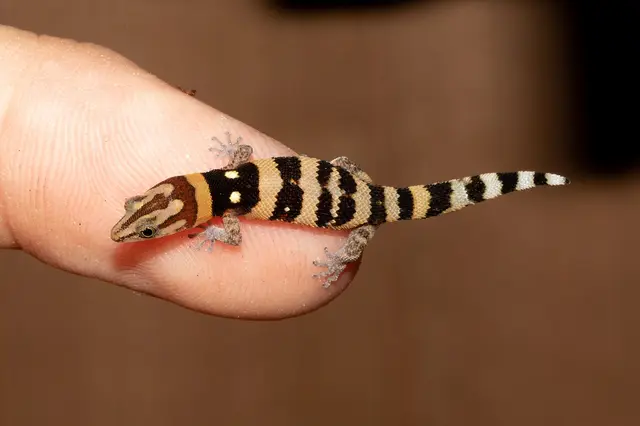
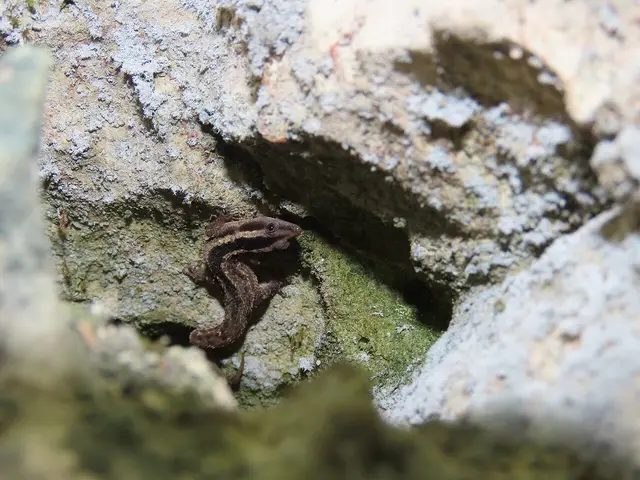
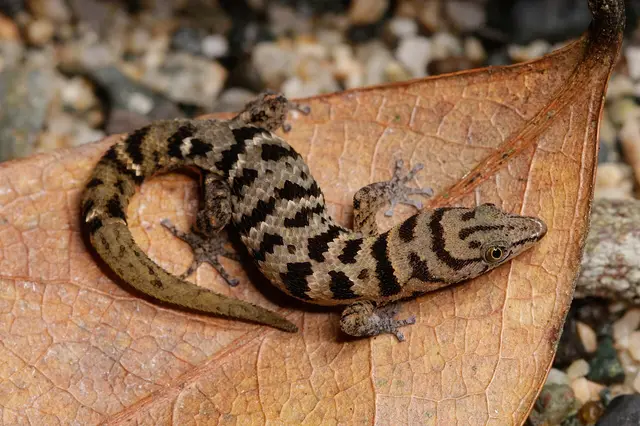
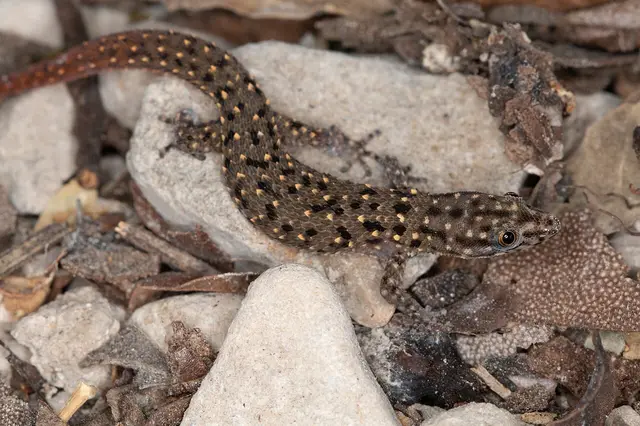
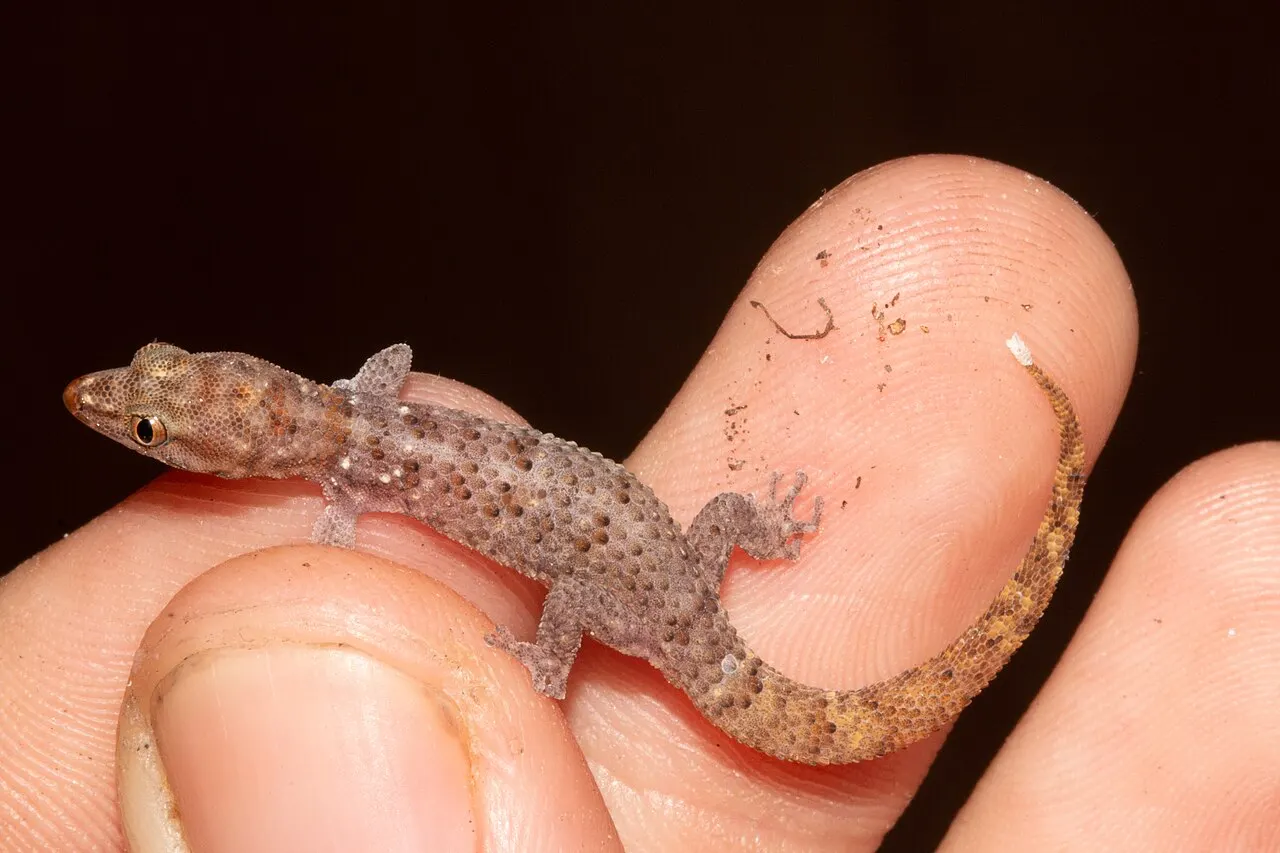
Thompson's least gecko, also called the Barahona limestone geckolet (Sphaerodactylus thompsoni), is a tiny lizard of dry, rocky country on the island of Hispaniola. It is known from the Dominican Republic and Haiti. The IUCN Red List assessed it as Endangered in 2016, citing a very small range and ongoing habitat decline.
How to recognise it
It is reportedly large for its genus, yet it reaches only about 3.3 cm from snout to vent. Albert Schwartz and Richard Franz described the species in 1976. It is named for Fred G. Thompson, whose efforts secured the original specimens. It lays eggs.
Where it lives
The type locality is 6 km southwest of Las Mercedes, in Pedernales Province in the Dominican Republic, at about 60 m above sea level. The species is listed from Pedernales, from southeastern Haiti and from Isla Beata. One reference work still speaks of just two known specimens, though the Red List counts two to five locations.
The IUCN assessment gives an elevation range of 0 to 60 m and an extent of occurrence of about 2,489 square kilometres, spread over two to five locations. It treats dry subtropical or tropical shrubland as suitable habitat and rocky areas such as inland cliffs as marginal. It lists the species as a resident of both Haiti and the Dominican Republic.
Pins are Wikidata “endemic to” fields. Orange dots, when present, are GBIF occurrence tiles — survey bias included.
Why it is in trouble
The Endangered listing rests on a small, fragmented range in which habitat is still shrinking. The population is recorded as severely fragmented, and the area of habitat continues to decline. Ecosystem conversion and ecosystem degradation are the listed stresses.
The one threat listed is the unintended effect of small-scale or subsistence harvest, judged to affect most of the population, though its severity is unknown. The population trend itself is recorded as unknown, which is common for small reptiles that few people have ever surveyed.
What is being done
The species occurs in at least one protected area. Beyond that, no species-specific measures are listed. Research on population size, distribution and trends, and on threats, is the work still needed.
Sources
Written for this catalog in our own words from the sources below, checked against them on 12 November 2026. Population figures are estimates and carry the year they were made. Status and assessment year: IUCN. 2026. The IUCN Red List of Threatened Species. Version 2026-1. iucnredlist.org.