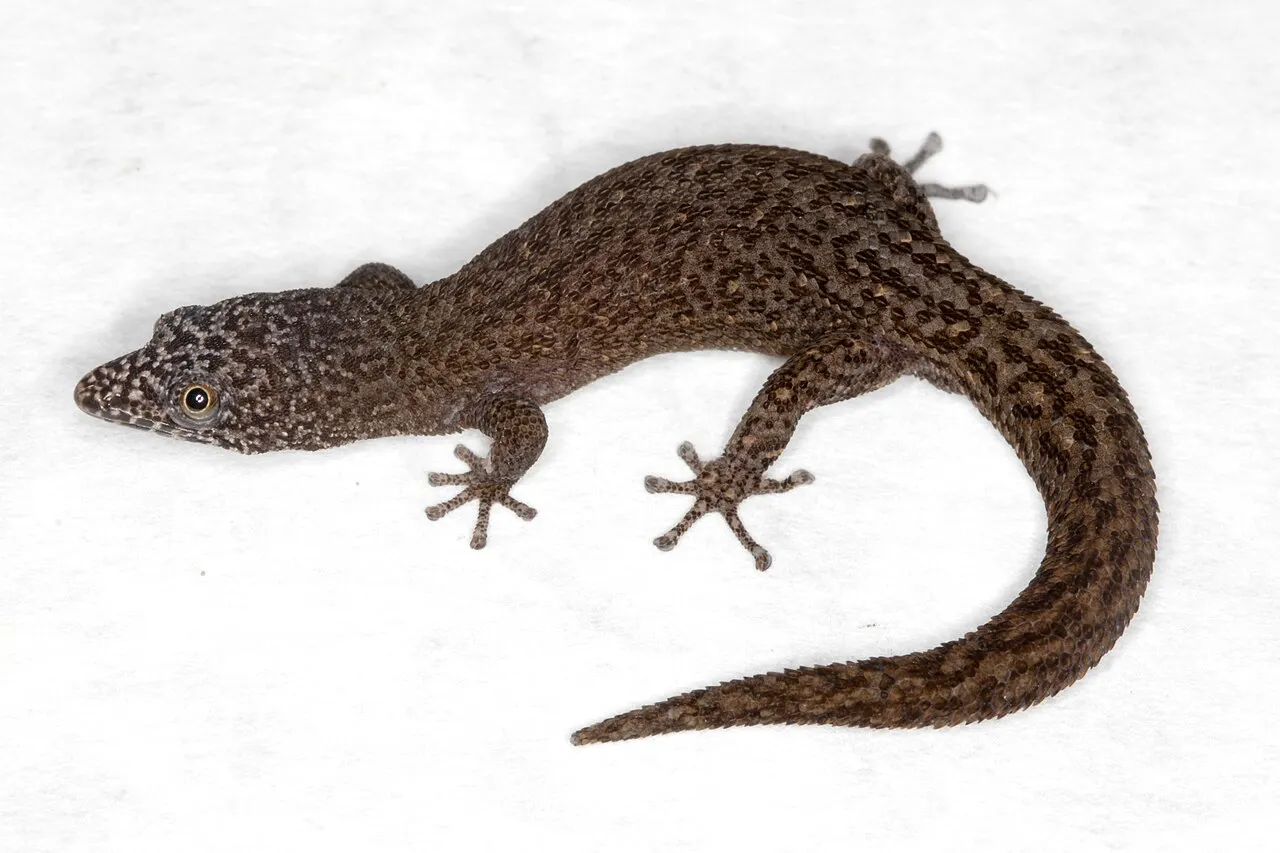
Endangered
Pedernales least gecko
Sphaerodactylus randi
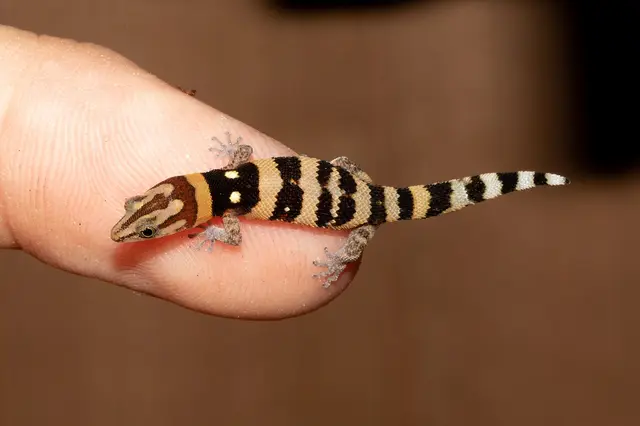
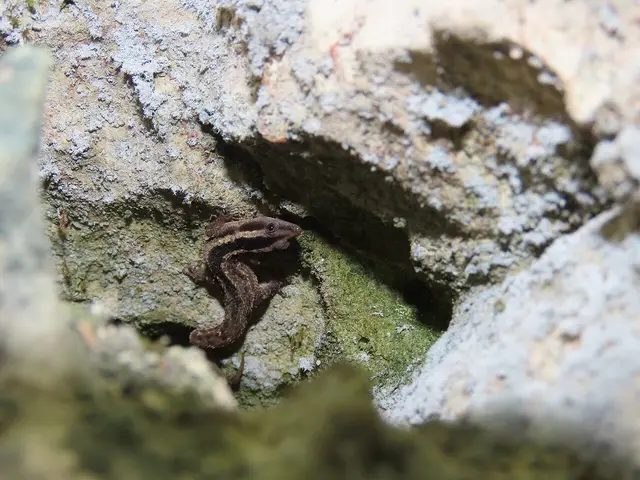
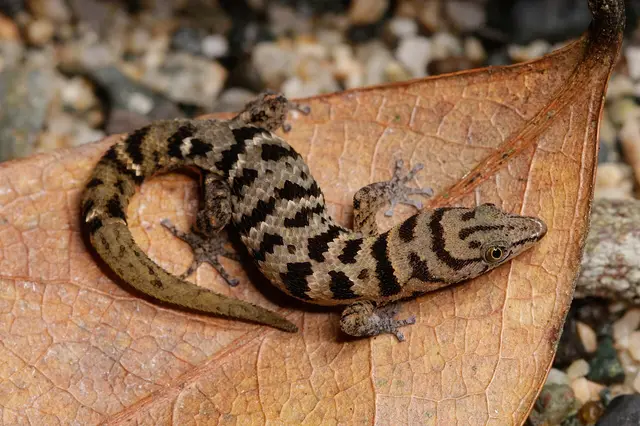
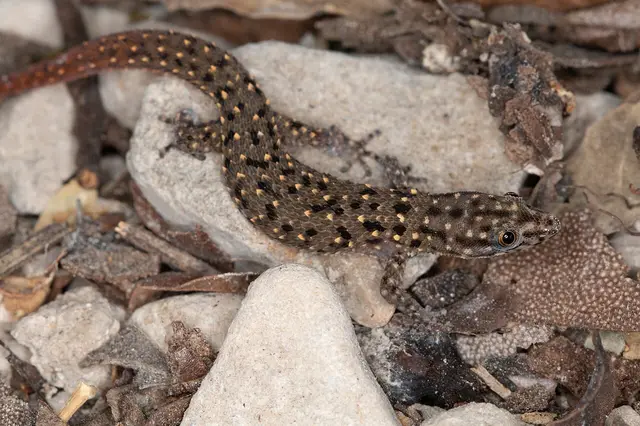
The Pedernales least gecko (Sphaerodactylus randi) is a tiny egg-laying gecko found only in the dry, low-lying southwest of the Dominican Republic, on the island of Hispaniola. The IUCN Red List rated it Endangered in 2016, citing a very small range, fragmented populations and loss of habitat.
What it is
Sphaerodactylus randi is a dwarf gecko, one of the many small species of the genus Sphaerodactylus, in the family Sphaerodactylidae. Benjamin Shreve described it in 1968 as a subspecies of Sphaerodactylus notatus. Albert Schwartz raised it to full species status in 1977.
The name honours the American herpetologist Austin Stanley Rand (1932 to 2005), who co-collected the original specimens. Three subspecies are recognised: the nominate form, S. r. methorius and S. r. strahmi. The Reptile Database places them near Oviedo, near the town of Pedernales and near Juancho, in Pedernales Province, in that order. It lays eggs.
Where it lives
It is endemic to the Dominican Republic, in the dry southwest of Hispaniola. The IUCN records it from dry subtropical and tropical forest and also from urban areas, at elevations of 9 to 123 m above sea level. It has been found under piles of plant debris, such as heaps of coconut husks, in dry forest and coastal scrub.
The assessment counts three locations and puts the extent of occurrence at 695 square kilometres. It describes the population as severely fragmented.
Pins are Wikidata “endemic to” fields. Orange dots, when present, are GBIF occurrence tiles — survey bias included.
Why it is in trouble
The IUCN reports a decreasing population and a continuing decline in the area it occupies. The two threats recorded are housing and urban development, and recreational activities, the latter affecting most of the range. Both change or degrade the dry coastal habitat the gecko depends on. The scale of each threat is listed as unknown.
What is being done
The assessment records that the species occurs in at least one protected area. It lists no specific conservation actions in place or planned, and the only research needs it records are better data on population size, distribution and trends, and on threats. The gecko's size, colour, diet and breeding are poorly documented.
Sources
Written for this catalog in our own words from the sources below, checked against them on 12 November 2026. Population figures are estimates and carry the year they were made. Status and assessment year: IUCN. 2026. The IUCN Red List of Threatened Species. Version 2026-1. iucnredlist.org.