Endangered
Barahona big-scaled sphaero
Sphaerodactylus plummeri
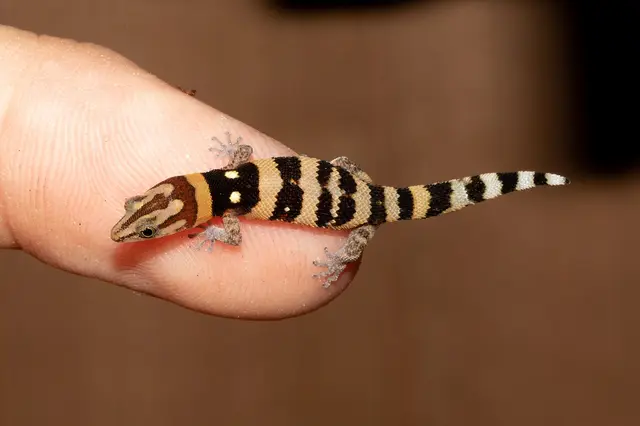
The Barahona big-scaled sphaero (Sphaerodactylus plummeri) is a gecko only 18 to 22 mm long that lives only in the dry scrub of southwestern Dominican Republic. The IUCN rated it Endangered in 2016, with its habitat fragmented and shrinking and its population trend unknown.
How to recognise it
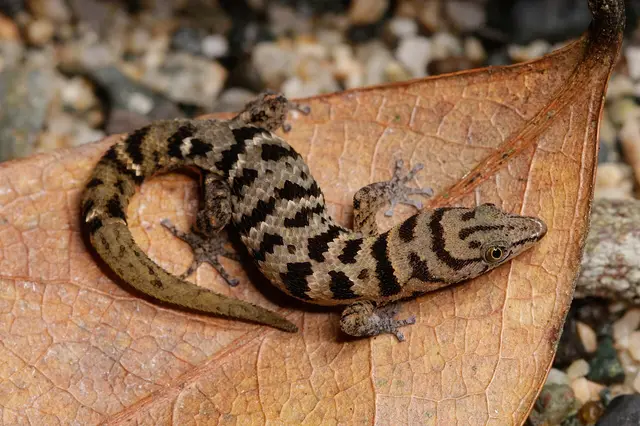
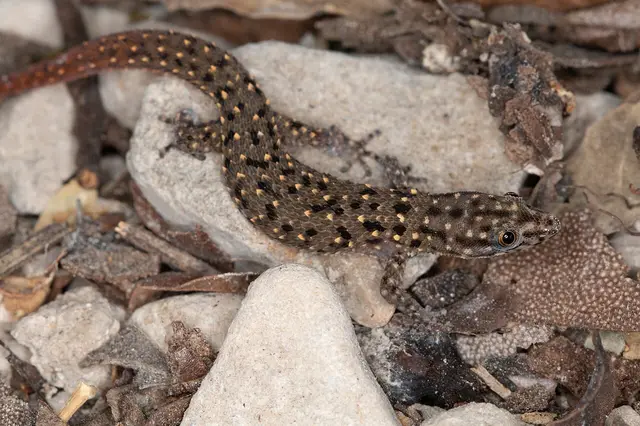
Adults measure 18 to 22 mm from snout to vent. Its back scales are large, flattened, keeled and overlapping, and the scales on its snout are unusually large and broad. Its back and midbody scale counts are among the lowest of any Hispaniolan member of the genus.
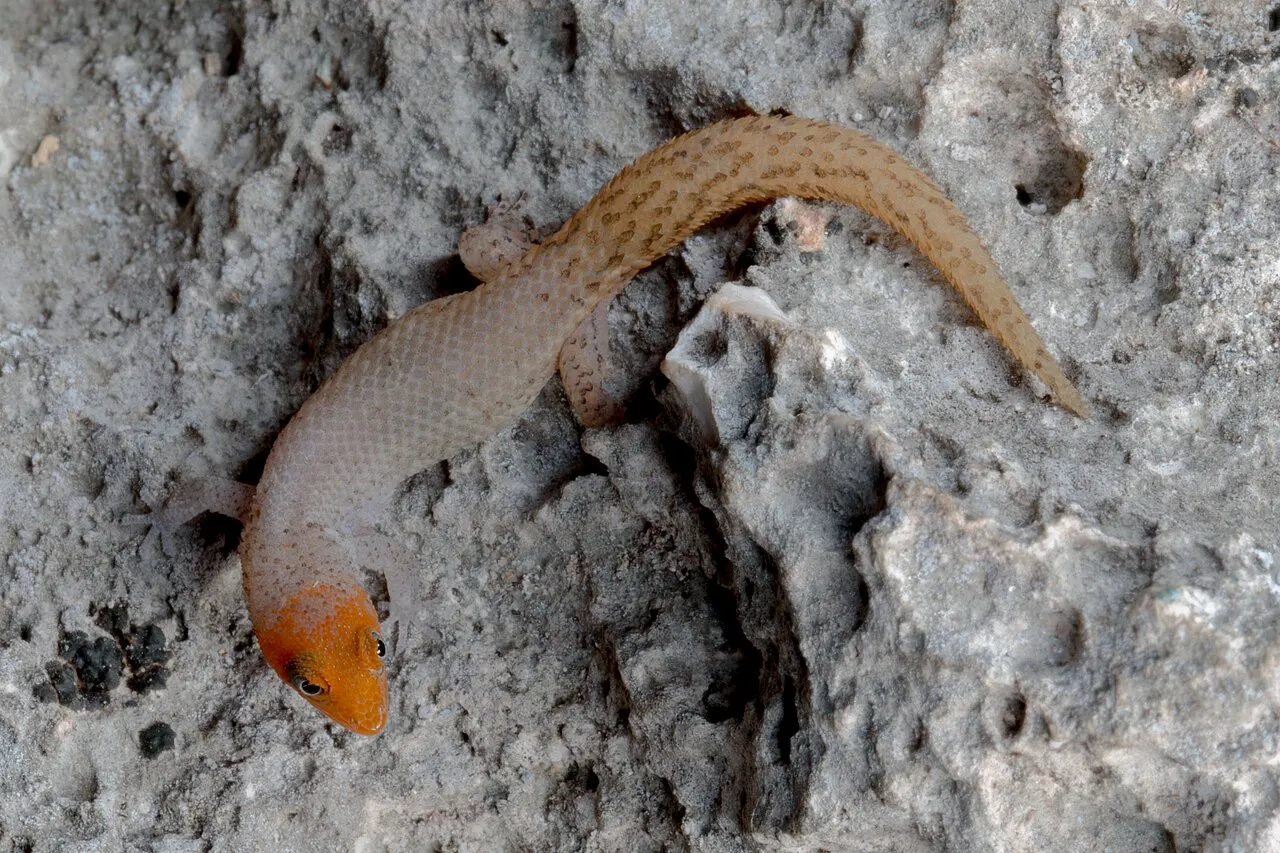
The head carries a four-lined pattern, and stripes continue onto the body but are indistinct in most specimens. Females lose the stripes as they mature, the pattern breaking into spots. Mature males reportedly develop an orange head, so the sexes look different. The base colour is described as pale brown to grey with darker speckling.
Where it lives
It is endemic to the Dominican Republic, in the southwestern part of the Barahona peninsula. The type locality is on the Alcoa road in Pedernales Province, about 10.6 km north of Cabo Rojo, at 80 m. The IUCN assessment lists dry subtropical forest between sea level and 100 m and gives an extent of occurrence of about 779 square kilometres. Descriptions of the habitat refer to karst (limestone) scrubland.
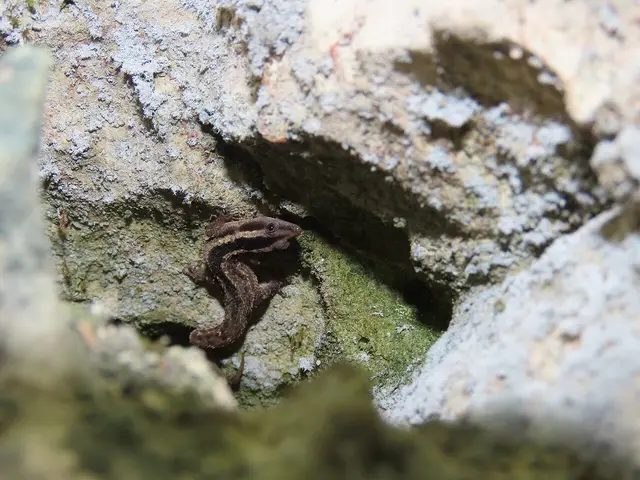
It lives on the ground and has been found under piles of decaying organic matter such as dead agave rosettes and dry palm fronds. It shares its habitat with Sphaerodactylus thompsoni, but the two reportedly use it differently: this gecko favours rotting plant debris, while S. thompsoni is associated with the bare rock.
Pins are Wikidata “endemic to” fields. Orange dots, when present, are GBIF occurrence tiles — survey bias included.
How it lives
It lays eggs. Its diet, clutch size and breeding season are poorly documented. The species is named for the collector Nicholas Plummer.
Why it is in trouble
The 2016 assessment describes the habitat as severely fragmented and still declining in area. The threats it lists are small-holder farming, shifting agriculture, unintended effects of small-scale harvesting, and mining and quarrying, which it treats as a future threat. It leaves the population trend as unknown, and records the species' presence in a protected area as unknown.
The IUCN names two research needs: the size, distribution and trend of the population, and the nature of its threats. The assessment lists no conservation actions.
Sources
Written for this catalog in our own words from the sources below, checked against them on 12 November 2026. Population figures are estimates and carry the year they were made. Status and assessment year: IUCN. 2026. The IUCN Red List of Threatened Species. Version 2026-1. iucnredlist.org.