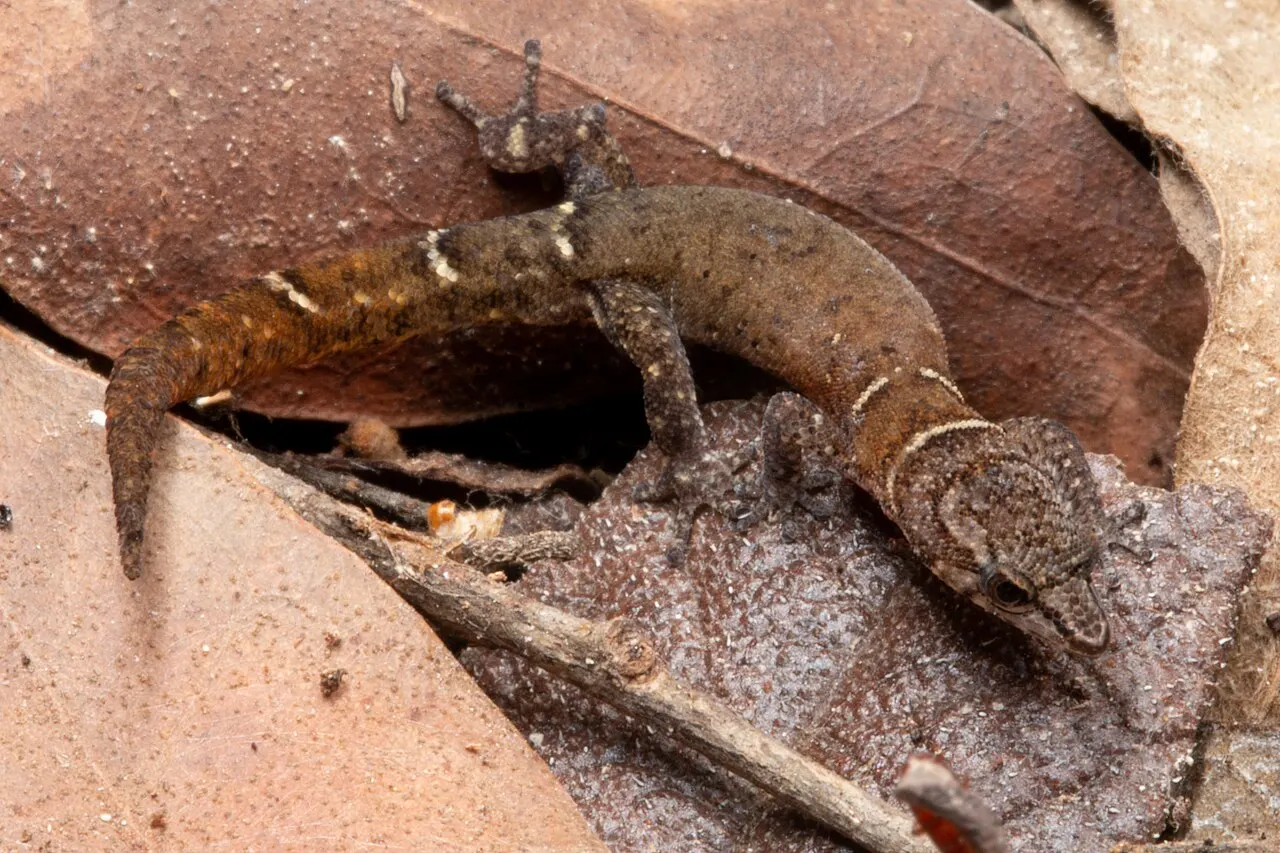
Endangered
Dominican least gecko
Sphaerodactylus perissodactylius
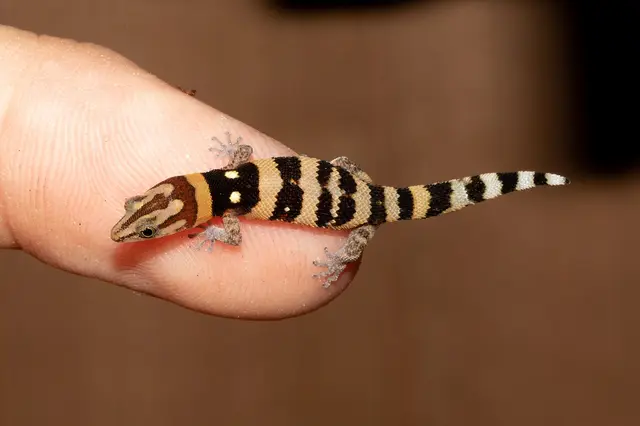
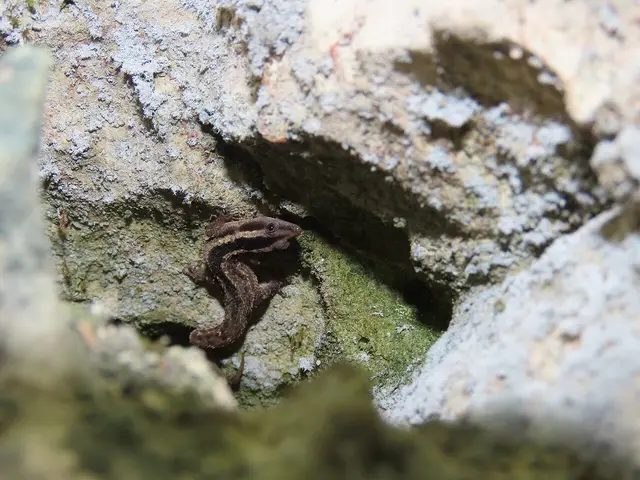
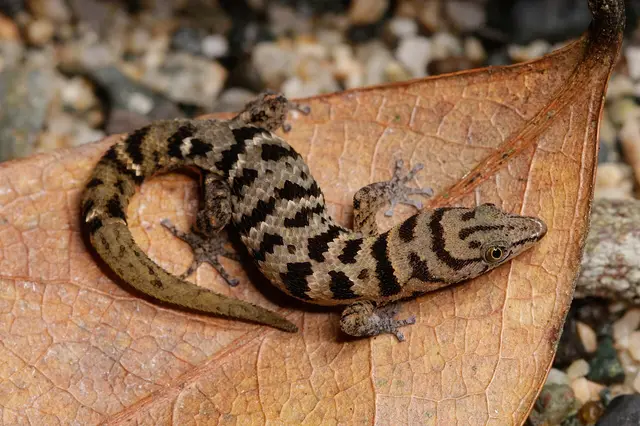
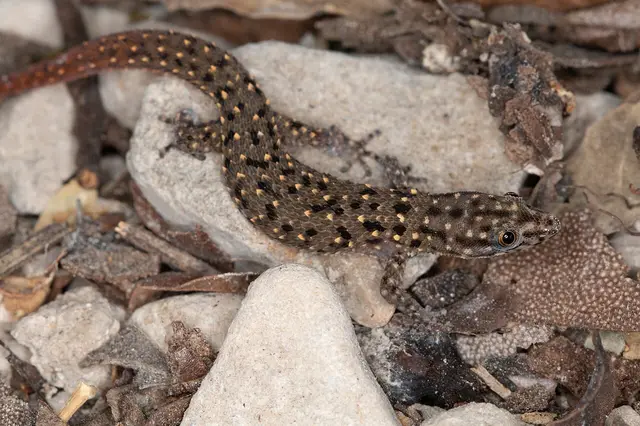
The Dominican least gecko (Sphaerodactylus perissodactylius) is a little-known lizard recorded from a single locality in the Sierra Martin Garcia, in the southwest of the Dominican Republic. The IUCN Red List rated it Endangered in 2016. It was described in 1988 and has barely been studied since.
How to recognise it
It belongs to Sphaerodactylus, a genus of very small geckos, in the family Sphaerodactylidae. The species name comes from Greek words meaning uneven and ring, a reference to the unevenly ringed digits noted when it was named. It was first spelled perissodactylus, and later authors changed it to perissodactylius.
Richard Thomas and S. Blair Hedges named it in 1988, in a paper in Herpetologica that also described a second gecko from the same mountains, Sphaerodactylus ladae. Other English names include Martin Garcia geckolet. Little more about its size or colour pattern is readily available.
Where it lives
It is found only on Hispaniola, in the southern part of the Sierra Martin Garcia, in Barahona Province, Dominican Republic. The type locality lies about 13.5 km east of the town of Canoa, at about 400 m. The IUCN gives its elevation range as 400 to 500 m.
The IUCN counts it from one location, with an extent of occurrence of just 112 square kilometres. It lists subtropical or tropical moist lowland forest and dry forest as suitable habitat, and it records that the species occurs in at least one protected area. The gecko lays eggs.
Pins are Wikidata “endemic to” fields. Orange dots, when present, are GBIF occurrence tiles — survey bias included.
Why it is in trouble
The IUCN reports that the population is decreasing and that its extent of occurrence is shrinking. The threats it lists are shifting agriculture, small-holder farming and unintentional effects of small-scale harvesting. The scale and severity of each are recorded as unknown.
Very little has been published beyond the original description. A 2017 global review of lizards with small ranges, by Meiri and colleagues, listed the species as known only from that first paper.
What is being done
The only conservation action the IUCN lists is site and area management, and surveys of population size and distribution and research on threats are listed as research needs. The assessment lists no species recovery or captive-breeding action.
Sources
Written for this catalog in our own words from the sources below, checked against them on 12 November 2026. Population figures are estimates and carry the year they were made. Status and assessment year: IUCN. 2026. The IUCN Red List of Threatened Species. Version 2026-1. iucnredlist.org.