Critically Endangered
Partula tohiveana
Partula tohiveana
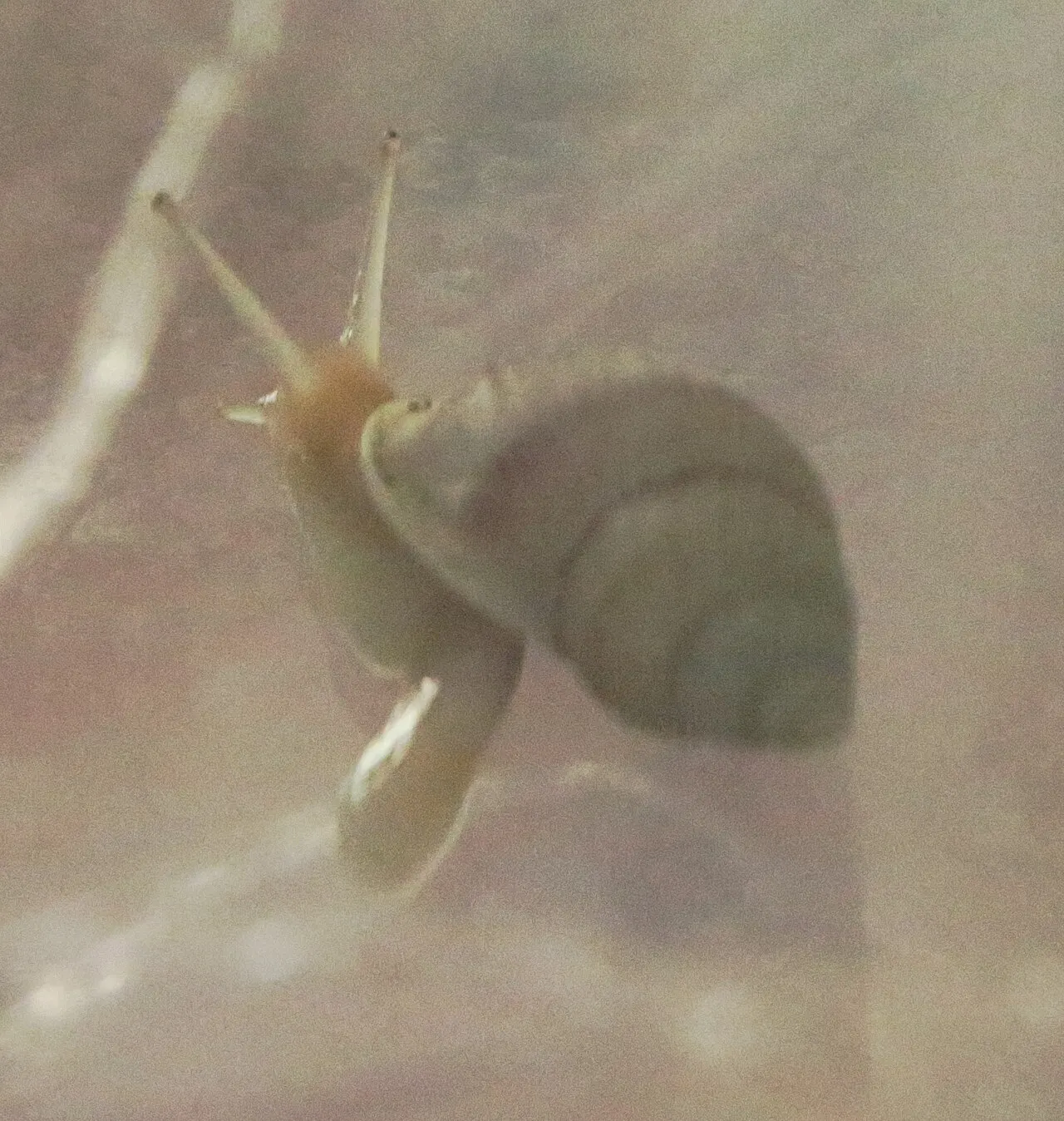
The Tohiea tree snail (Partula tohiveana) is a small land snail native to Moorea, in French Polynesia. It vanished from the wild in the 1980s, was bred in zoos, and was released back. The IUCN Red List moved it to Critically Endangered in 2025 after wild-born adults were found.
How to recognise it
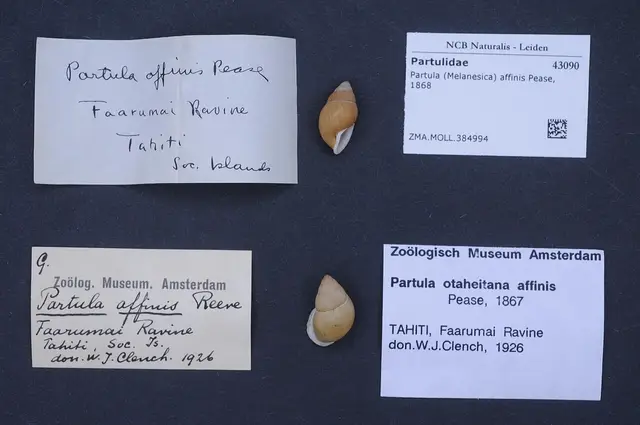
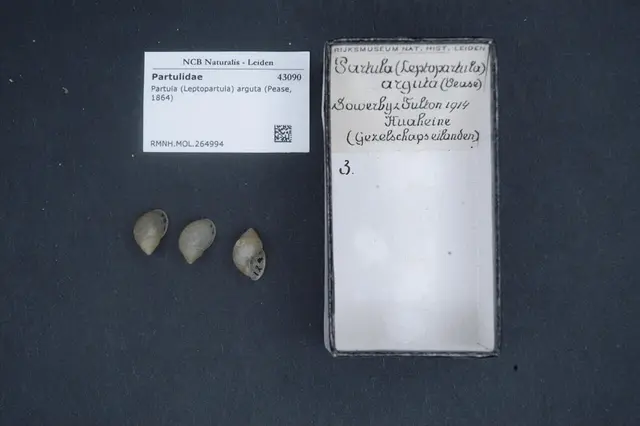
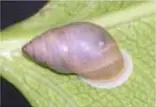
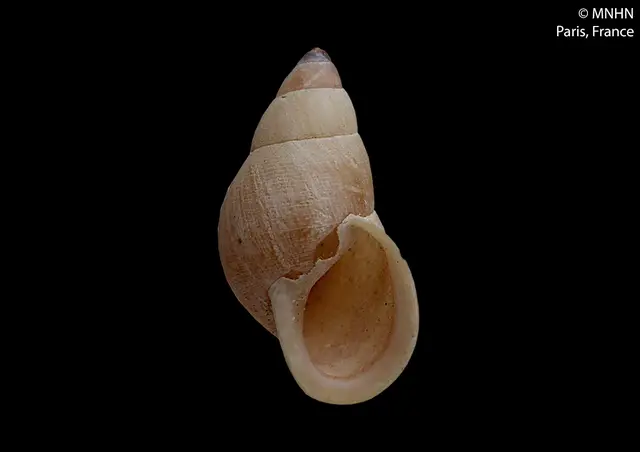
It's a tropical land snail in the family Partulidae, roughly 1 to 2 cm long by one account that describes the species. Henry Edward Crampton described it in 1924. It's one of several species called Moorean viviparous tree snail, a name that points to live birth.
Where it lives
The species is endemic to Moorea, in the Society Islands of French Polynesia. The Red List assessment records it in moist lowland forest, and notes that none of the population currently sits inside a protected area. It lists a single location with an area of occupancy of about 4 square km.
Partula snails feed on decaying plant material and fungi, and their shells have long been strung into ceremonial necklaces in the islands.
Pins are Wikidata “endemic to” fields. Orange dots, when present, are GBIF occurrence tiles — survey bias included.
Why it is in trouble
Partula snails were once abundant across French Polynesia. The rosy wolfsnail (Euglandina rosea) was introduced to control the invasive giant African land snail, but it also hunted the native snails, and by the late 1980s they had been wiped out in the wild. The assessment still lists a named problem species as an ongoing threat affecting the whole population, which means the danger has been reduced, not removed.
The assessment criterion is D, used for very small populations, and its population figure is 25.
What is being done
A captive breeding programme began in 1986, with snails kept in the UK, the US and Germany. ZSL (London Zoo) led the long project with the French Polynesian Government, the University of Cambridge and 13 zoos and conservation groups. More than 21,000 individuals of 11 Partula species that had been extinct in the wild have been released across four islands, and an April 2023 release put 5,522 snails on Moorea and Tahiti.
Released snails are marked with UV-reflective varnish, so any unmarked adult found during night surveys must have been born in the wild. In September 2024, researchers found such snails of this species on Moorea. The IUCN then moved it from Extinct in the Wild to Critically Endangered. It is reportedly the first invertebrate re-established after being listed as Extinct in the Wild. The 2025 assessment records the population as increasing, with a recovery plan and monitoring scheme in place.
Sources
Written for this catalog in our own words from the sources below, checked against them on 12 November 2026. Population figures are estimates and carry the year they were made. Status and assessment year: IUCN. 2026. The IUCN Red List of Threatened Species. Version 2026-1. iucnredlist.org.