Endangered
Puruanta Plump Toad
Osornophryne puruanta
Osornophryne puruanta is a plump, smooth-skinned toad known only from high montane forest in northern Ecuador, at about 3,000 to 3,500 m. It is the largest of its genus. The IUCN Red List rated it Endangered in 2022, with just two known locations.
How to recognise it
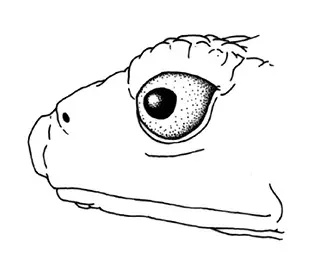
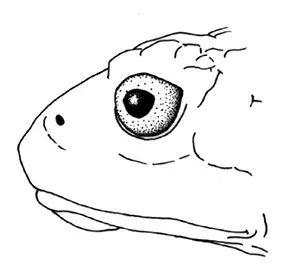
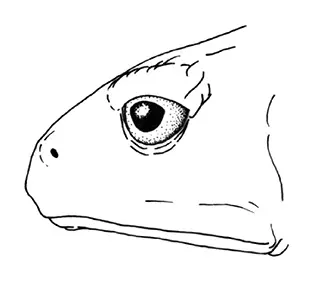
Females measure 40.5 to 47.1 mm from snout to vent, making this the largest known species of Osornophryne, a genus of small Andean toads. The back is yellowish brown, sometimes a paler reddish brown, and is smooth rather than covered in cone-shaped tubercles as in some relatives. Instead it carries many glandular pustules of different sizes, some lined up in ridges.
The belly is reddish brown with clusters of cream pustules, the flanks have clusters of yellow pustules, and the eye is dark with a few golden flecks. The palms and soles are pale pink in the described specimen. Males have never been described.
Where it lives
Gluesenkamp and Guayasamin described the species in 2008 from Laguna de Puruanta on the western slopes of the Cordillera de Pimampiro in Imbabura Province, where the name comes from. It is also known near Laguna de San Marcos, about 6 km to the south, on the border of Pichincha and Sucumbios provinces. The IUCN counts two locations in Ecuador and records a range of 3,000 to 3,500 m.
Both sites are very wet montane forest with annual temperatures of 7 to 12 degrees C and 1,000 to 2,000 mm of rain a year. At Laguna de Puruanta the forest patches are dominated by Miconia trees draped in bromeliads, ferns, orchids and mosses, and are surrounded by shrubs, with tussock grasses on flat wet ground.
Pins are Wikidata “endemic to” fields. Orange dots, when present, are GBIF occurrence tiles — survey bias included.
How it lives
Only eight specimens, all adult females, were known when the species was described. Six were found by day under logs or at the bases of grasses, and two were found moving at night, one on an epiphytic bromeliad and one on the ground. None were seen active in daylight despite extensive searching, so it is judged probably nocturnal, and likely to shelter in the ground cover by day.
One stomach held a leaf beetle, a beetle larva and insect wings. Two females carried 30 and 31 mature eggs in the ovaries, so a clutch is probably about 30. Like its relatives, it is presumed to lay eggs on land that develop directly into small toads, with no tadpole stage.
Why it is in trouble
The IUCN gives the trend as decreasing, with continuing loss of habitat within a small area. The threats it lists are more frequent and intense fires, large dams, and roads and railways. The original description also warned of habitat loss and fragmentation across the toad's limited range and suggested the Endangered category. The species is known to occur in at least one protected area.
What is being done
The main protection recorded by the IUCN is site protection, since part of the range lies inside a protected area. No species-specific recovery work is documented. The 2008 description noted that more surveys in remaining intact forest could turn up more members of the genus, and that the genus is highly vulnerable to environmental change because so many of its species are found in only small areas.
Sources
Written for this catalog in our own words from the sources below, checked against them on 12 November 2026. Population figures are estimates and carry the year they were made. Status and assessment year: IUCN. 2026. The IUCN Red List of Threatened Species. Version 2026-1. iucnredlist.org.