Endangered
Slight skink
Oligosoma levidensum
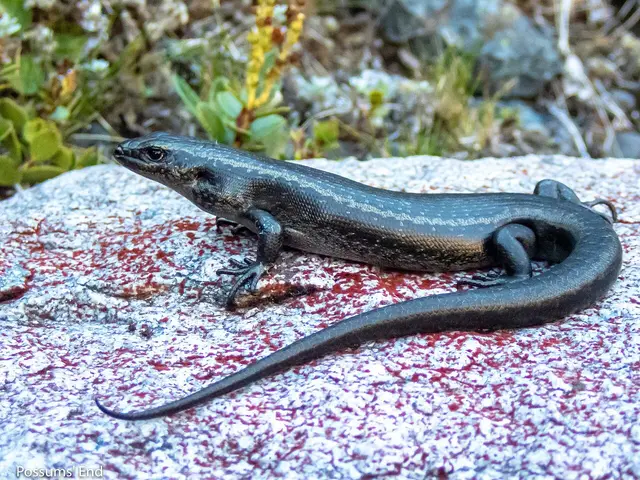
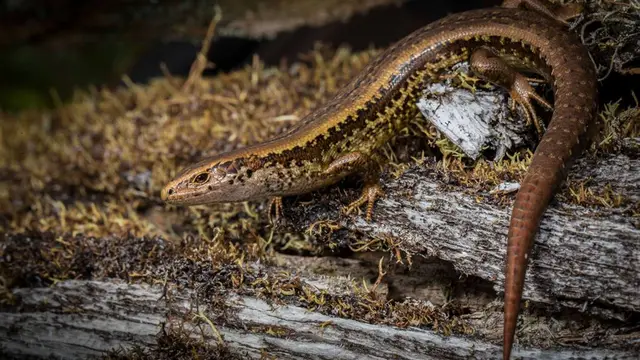
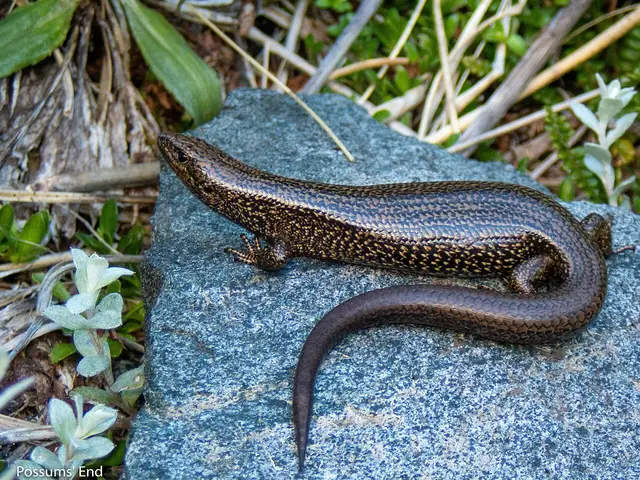
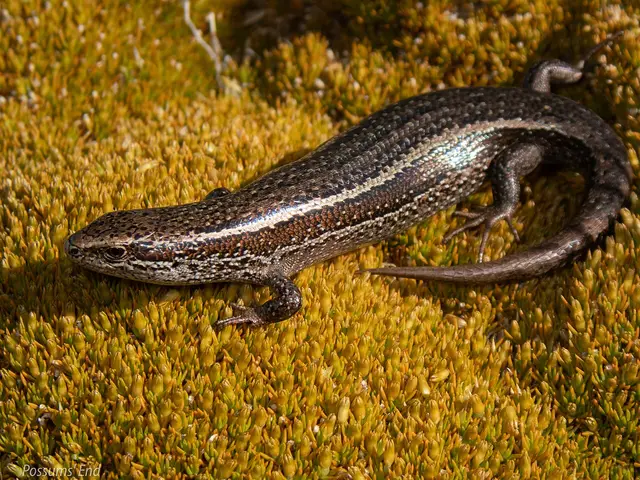
The slight skink (Oligosoma levidensum) is a small, secretive skink found only in the far north of New Zealand's North Island. The IUCN Red List rated it Endangered in 2019. It looks much like the copper skink and was only recognised as its own species in 2008.
How to recognise it
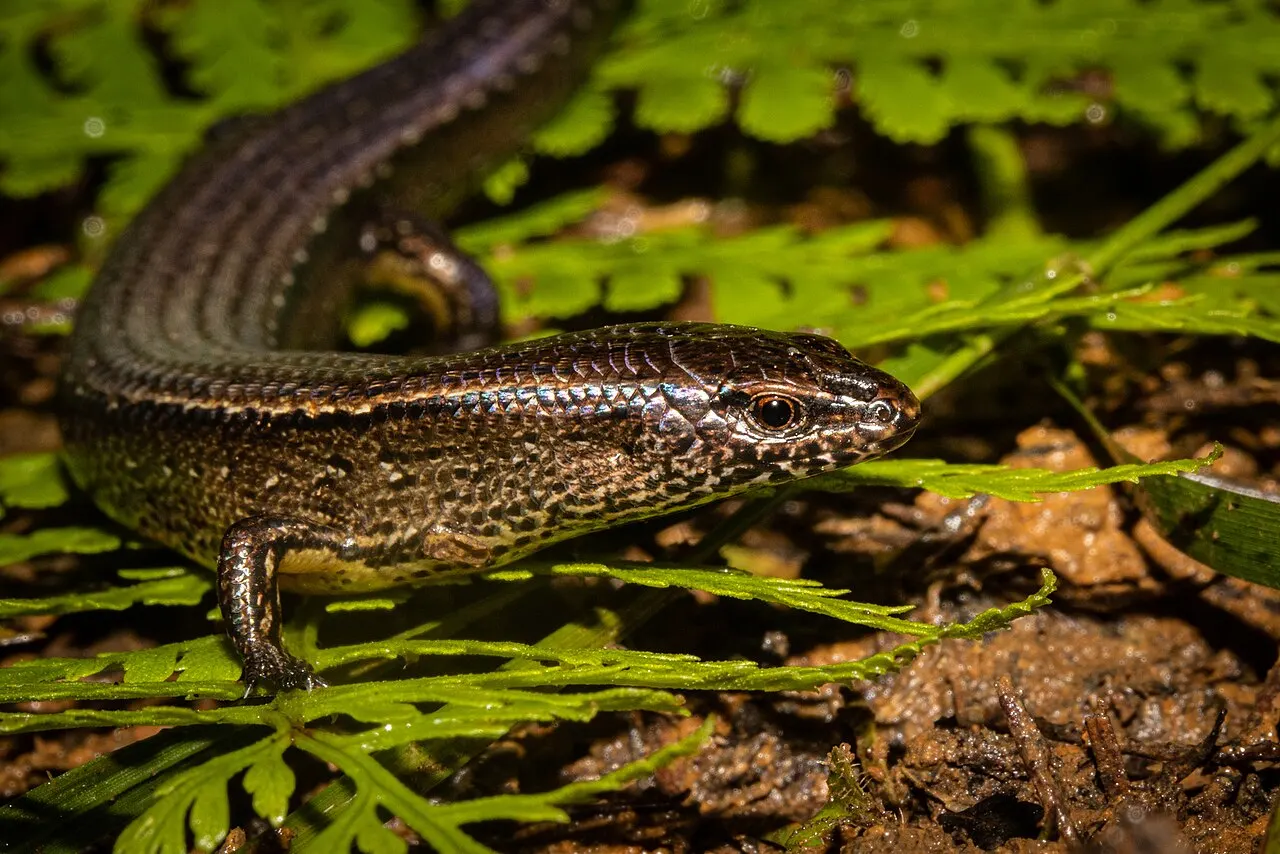
The slight skink grows to about 51 mm from snout to vent, and is described as New Zealand's smallest skink. Its tail is shorter than its body. It is brown, sometimes with cream or white and black flecks, and a copper stripe edged in black runs along each side from neck to tail. The belly ranges from white to yellow, with orange patches near the vent and tail.
It closely resembles the copper skink (Oligosoma aeneum). The two were treated as one species until a 2008 study, using body measurements, allozymes and DNA, described the slight skink as new. The best field clues are its slimmer build and reduced limbs. The species name comes from the Latin for slight.
Where it lives
It is restricted to the northern Aupouri Peninsula in the Te Paki region of Northland, and a few offshore islands such as Motuopao. The type specimens came from Radar Bush at Te Paki. The IUCN assessment gives an occupied area of about 48 square kilometres, a range of about 175 square kilometres, two locations and an elevation from the coast to 200 m. A New Zealand reptile society account puts the upper limit at 310 m.
On the mainland it is associated with mature forest and damp ground. On islands it is usually found in dense flax.
Pins are Wikidata “endemic to” fields. Orange dots, when present, are GBIF occurrence tiles — survey bias included.
How it lives
This is a secretive, burrowing skink. It uses burrows made by invertebrates and may dig its own in loose soil. It probably eats small leaf-litter invertebrates and small fruits. It lives alone, though several have been found sharing large pieces of cover.
It gives birth to live young. Litter size is assumed to match the copper skink's, up to four young born between January and March. How long it lives is poorly known.
Why it is in trouble
Rats, mice, hedgehogs, possums and feral cats all prey on small skinks, and pigs damage its habitat. Clearing of forest and scrub adds to the loss. The IUCN records a decreasing population and continuing decline in the area it occupies. It lists fire and two introduced species, the plague skink (Lampropholis delicata) and the Argentine ant (Linepithema humile), among the pressures.
Only one secure population is reportedly known, on Motuopao Island, and little is known about its health.
What is being done
The species occurs in at least one protected area. The IUCN lists site management and control of invasive species as the conservation actions needed.
Sources
Written for this catalog in our own words from the sources below, checked against them on 12 November 2026. Population figures are estimates and carry the year they were made. Status and assessment year: IUCN. 2026. The IUCN Red List of Threatened Species. Version 2026-1. iucnredlist.org.