Endangered
Liolaemus stolzmanni
Liolaemus stolzmanni
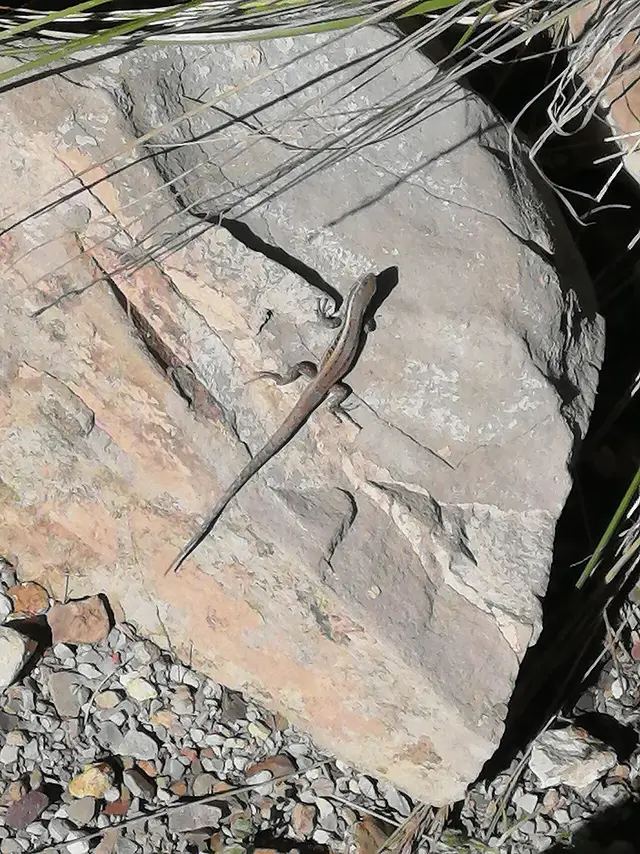
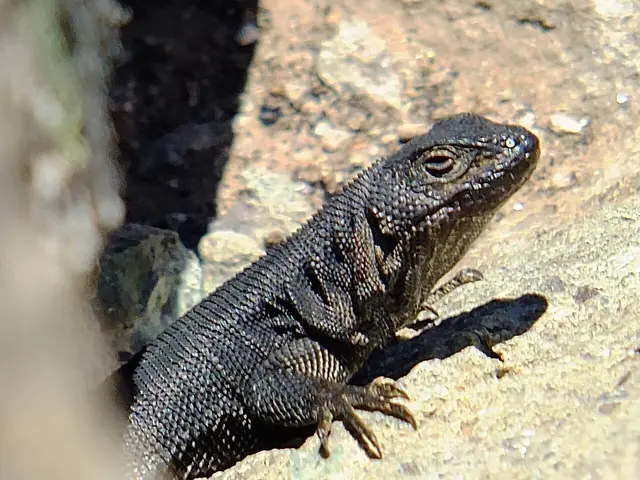
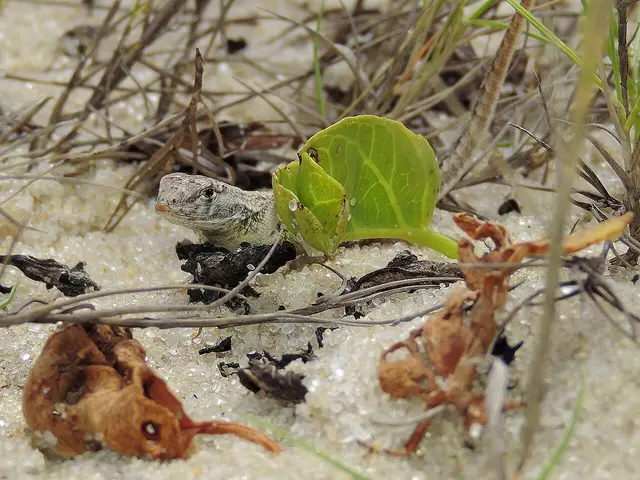
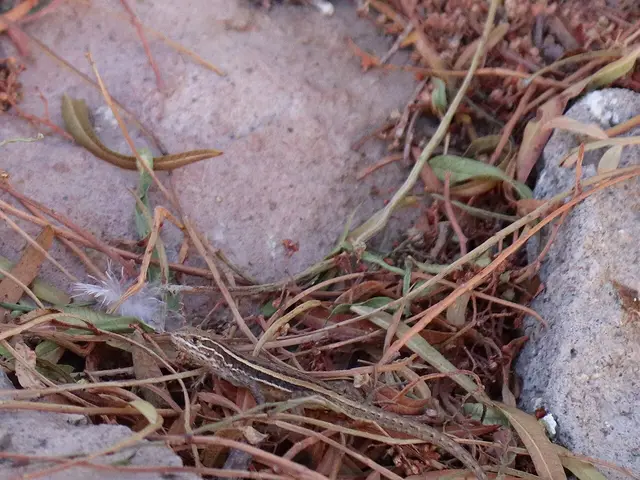
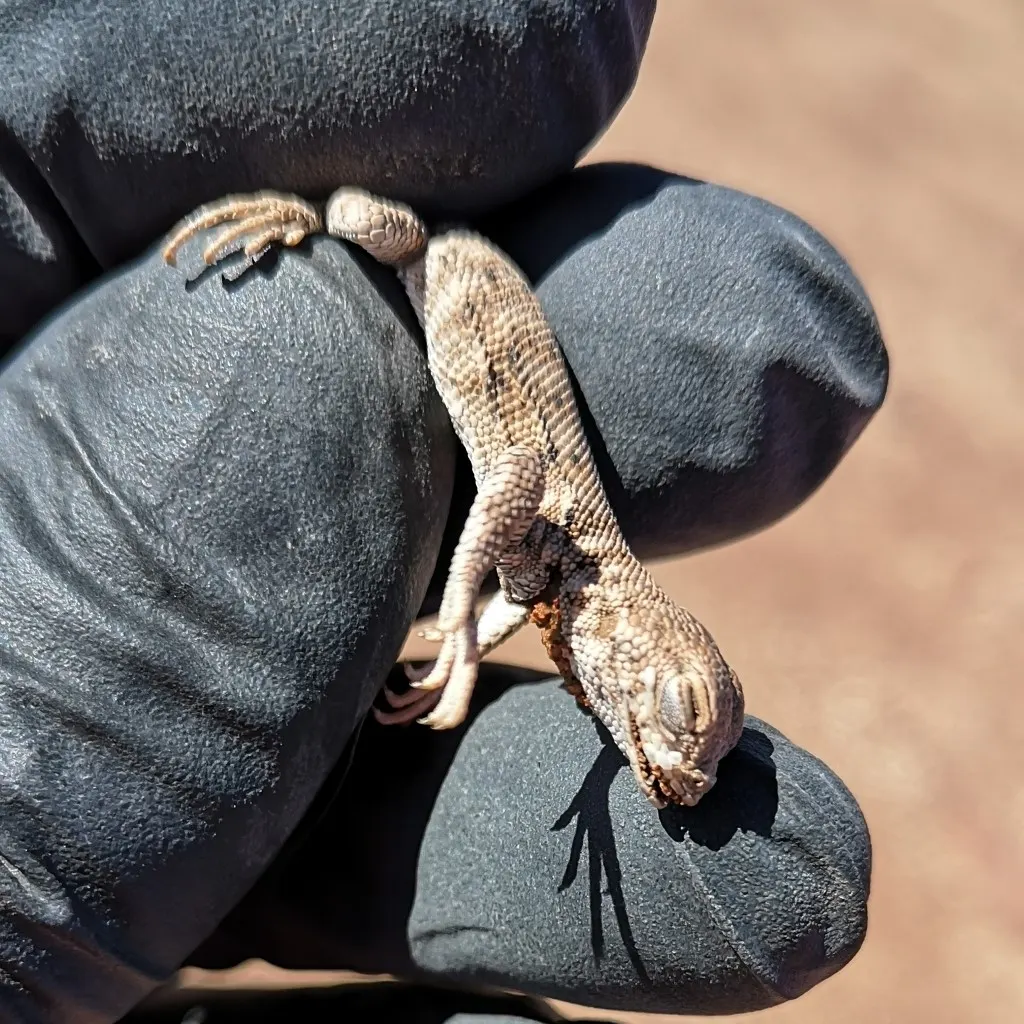
Liolaemus stolzmanni, known as Stolzmann's Pacific iguana, is a small desert lizard from northern Chile. The IUCN Red List rated it Endangered in 2017. It is known from only two locations, and its habitat is exposed to mining, development and recreation.
How to recognise it
It belongs to Liolaemidae, a lizard family that includes the large genus Liolaemus, with more than 225 described species. Across the genus, snout-to-vent length runs from about 45 to 100 mm, but no measurements specific to this lizard turned up.
Descriptions of this species' colour and pattern are scarce. Steindachner described it in 1891 under the name Ctenoblepharis stolzmanni. It honours the Polish zoologist Jean Stanislas Stolzmann (1854 to 1928), who worked as a collector in Peru from 1875 to 1883.
Where it lives
The species is endemic to Chile. The IUCN lists the Tarapaca Region, and the Reptile Database gives the Andes, the Loa area and the vicinity of Iquique as its distribution. Langstroth restricted the type locality in 2011 to the deserts of Iquique. The IUCN rates its habitat as hot desert, at roughly 700 to 1,200 m above sea level, and estimates the range at about 600 square km.
Older reports from Peru are attributed to other lizards, such as Liolaemus pachecoi and Liolaemus poconchilensis, and a possible Bolivian record could not be confirmed.
Pins are Wikidata “endemic to” fields. Orange dots, when present, are GBIF occurrence tiles — survey bias included.
How it lives
It gives birth to live young, a mode the Reptile Database calls ovoviviparous. Its diet, daily habits and breeding season have not been described in the sources available. Most Liolaemus species eat both plants and insects, but that is a pattern across the genus rather than a record for this lizard.
Why it is in trouble
The 2017 assessment counts two locations and a decreasing population, with the occupied area still shrinking. It lists recreational activities, commercial and industrial areas, and mining and quarrying as threats. The species is not known to occur in a protected area, and site protection appears among the conservation actions listed. Research needs include taxonomy, life history and population trends.
Taxonomy adds a complication. Langstroth's 2011 study treated a lizard from Iquique, Liolaemus reichei, as the same species, but most recent authors regard it as valid. Where that line is drawn affects the range and the Red List figures.
Sources
Written for this catalog in our own words from the sources below, checked against them on 12 November 2026. Population figures are estimates and carry the year they were made. Status and assessment year: IUCN. 2026. The IUCN Red List of Threatened Species. Version 2026-1. iucnredlist.org.