Endangered
Liolaemus lorenzmuelleri
Liolaemus lorenzmuelleri
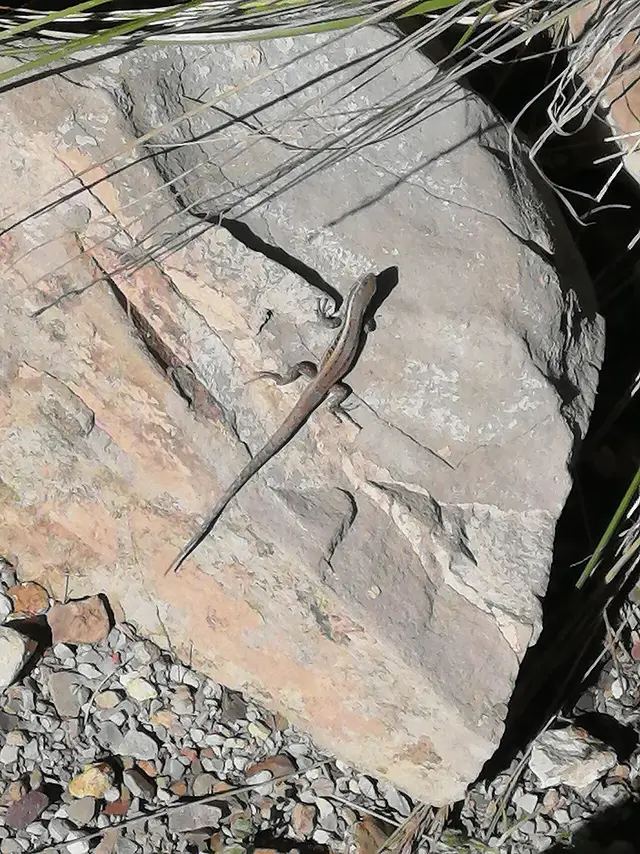
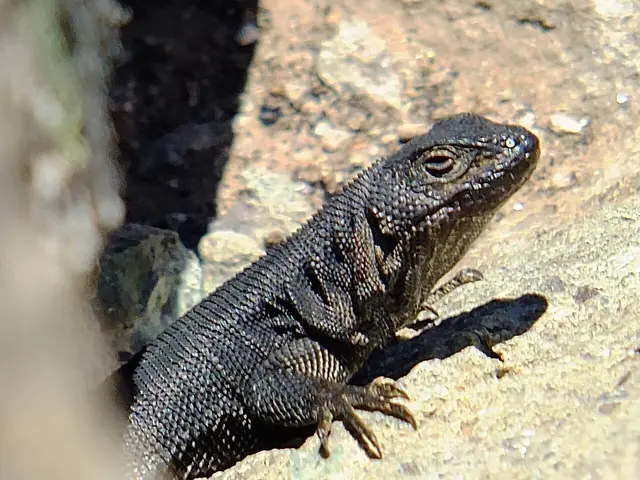
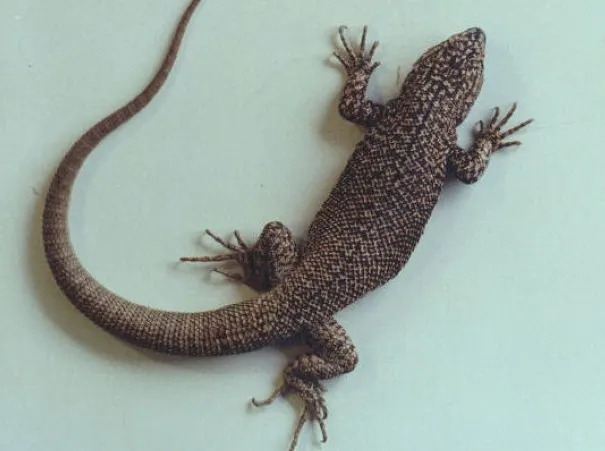
Lorenz's tree iguana (Liolaemus lorenzmuelleri) is a small egg-laying lizard of the high Andes of north-central Chile. The IUCN Red List rated it Endangered in 2016, mainly because mining is eating into its narrow mountain range. Despite the common name, it was recorded in grassland and low scrub, not trees.
What it is
Liolaemus lorenzmuelleri belongs to Liolaemus, a huge genus of South American lizards, in the family Liolaemidae. Walter Hellmich described it in 1950. The type locality is Nueva Elqui, at about 2,300 m. The name honours Lorenz Müller (1868 to 1953), a herpetologist and scientific illustrator in Munich.
It lays eggs. A 2022 field study in the journal Gayana found that males grow larger and heavier than females, and that the lizards are most active in the hottest hours of the day. Plant material makes up an important part of their diet, which is unusual among lizards.
Where it lives
The species is found only in Chile, in the Coquimbo Region, with the IUCN also listing the neighbouring Atacama Region. It lives in high, open country: the Red List gives 3,200 to 3,500 m and high-altitude grassland as its habitat. The Gayana survey found it mostly in low scrub at roughly 2,990 to 3,430 m. A related lizard, Liolaemus robertoi, shared the higher ground with it.
A 2022 paper in Caldasia by César Chávez-Villavicencio gave a wider known span of about 2,300 to 4,000 m. The IUCN counts three locations. The species is never common. The Gayana survey recorded a maximum of 0.15 lizards per 100 square metres, and found them only in summer.
Pins are Wikidata “endemic to” fields. Orange dots, when present, are GBIF occurrence tiles — survey bias included.
Why it is in trouble
The IUCN lists mining and quarrying as the one recorded threat, affecting most of the species' range, and describes the population as decreasing. The assessment also records that the species does not occur in a protected area.
Chávez-Villavicencio modelled where the lizard could live, about 16,919 square kilometres, and laid that over Chilean mining concessions. The usable area dropped to about 9,952 square kilometres, split into fragments. He also pointed out that Chile's own national list rates the lizard Vulnerable, and argued the IUCN should do the same. The IUCN's 2016 rating of Endangered remains the latest global assessment.
What is being done
The only conservation action the IUCN lists is site or area protection, and it records no protected area holding the species. Both the Caldasia paper and the Gayana survey link its threatened status to mining in its range, and the Caldasia author called for a conservation plan to be made a priority.
Sources
Written for this catalog in our own words from the sources below, checked against them on 12 November 2026. Population figures are estimates and carry the year they were made. Status and assessment year: IUCN. 2026. The IUCN Red List of Threatened Species. Version 2026-1. iucnredlist.org.