Endangered
Liolaemus isabelae
Liolaemus isabelae
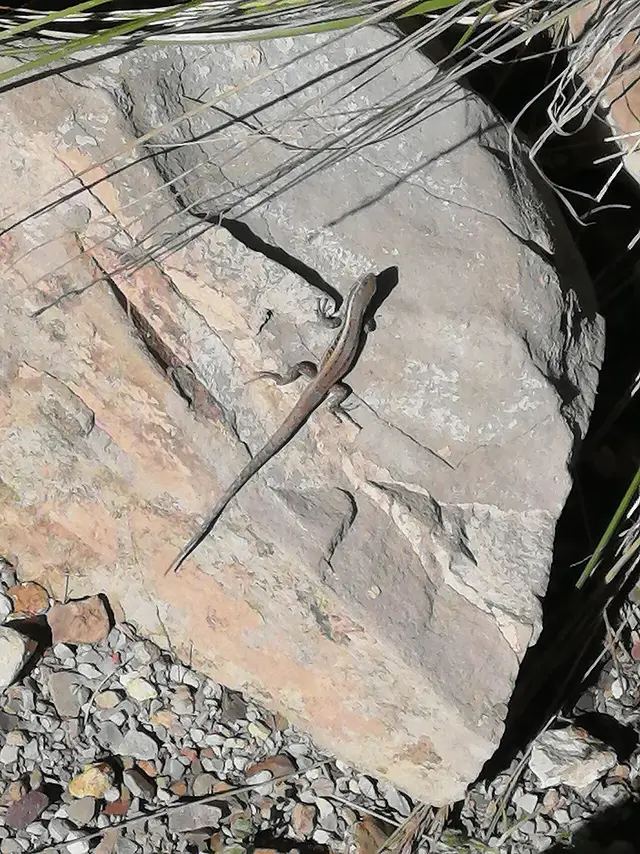
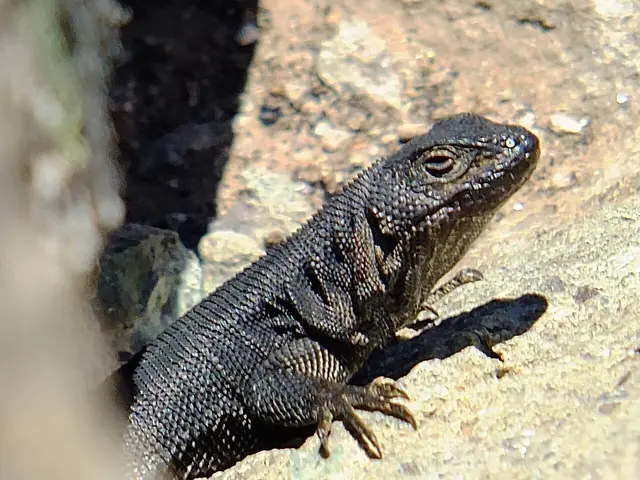
Liolaemus isabelae is a small black lizard that lives only in the high desert of the Atacama Region in northern Chile, at roughly 2,850 to 3,672 meters. The IUCN Red List has rated it Endangered since 2017, mainly because its range is tiny and mining is eating into it.
How to recognise it
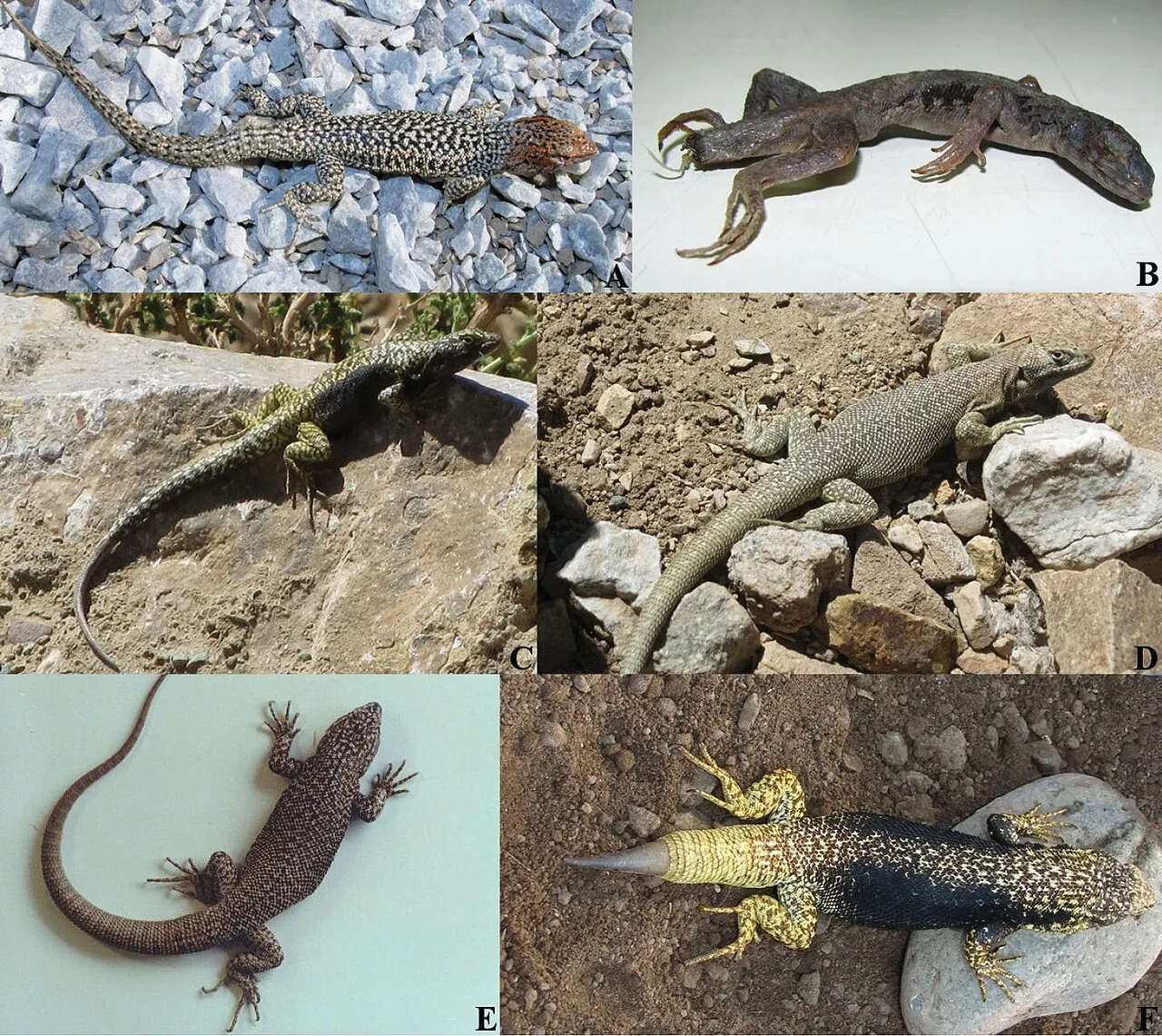
It's a jet-black lizard with small yellowish spots on the head, hind legs and tail. Its dorsal scales are rounded rather than sharply pointed, and its body is more slender than that of the similar Liolaemus curis. Only its belly side is glossy.
José Navarro and Herman Núñez described it in 1993. The species name honors Isabel Yermany, the wife of Navarro. A second name, Liolaemus nigroventrolateralis (described in 1994), was later folded into it as a synonym. It is placed in the Chilean group of Liolaemus.
Where it lives
This lizard is found only in Chile's Atacama Region. The type locality is a spot called El Cerrito, about 12 kilometers northwest of La Ola on the Salar de Pedernales, at 3,350 meters in Chañaral Province. The Red List gives a wider altitude span of 2,850 to 3,672 meters, while one reference work gives 3,300 to 3,600 meters.
The IUCN habitat record is hot desert, and the 2017 assessment counted just two locations. That's a very small footprint for any animal, and it's the reason the species qualifies as Endangered.
Pins are Wikidata “endemic to” fields. Orange dots, when present, are GBIF occurrence tiles — survey bias included.
How it lives
It lives on the ground and reportedly eats insects. Females give birth to live young rather than laying eggs, though sources differ on the exact term, calling it viviparous or ovoviviparous. Little else has been published on its daily life, breeding season or lifespan.
Why it is in trouble
The Red List names mining and quarrying as the threat, with conversion of its desert habitat as the resulting harm. The assessment records a continuing decline in the area it occupies and a decreasing population trend. It is known from only two locations, and no population count exists.
What is being done
The only conservation action listed in the assessment is site and area protection, and the species is not recorded from any protected area. No captive breeding or targeted recovery program is recorded.
Sources
Written for this catalog in our own words from the sources below, checked against them on 12 November 2026. Population figures are estimates and carry the year they were made. Status and assessment year: IUCN. 2026. The IUCN Red List of Threatened Species. Version 2026-1. iucnredlist.org.