Endangered
Liolaemus fabiani
Liolaemus fabiani
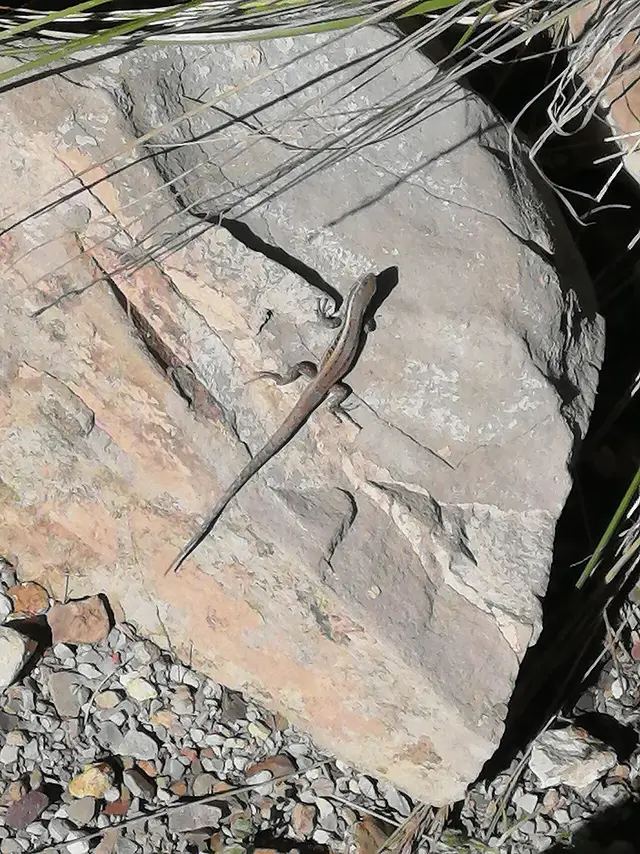
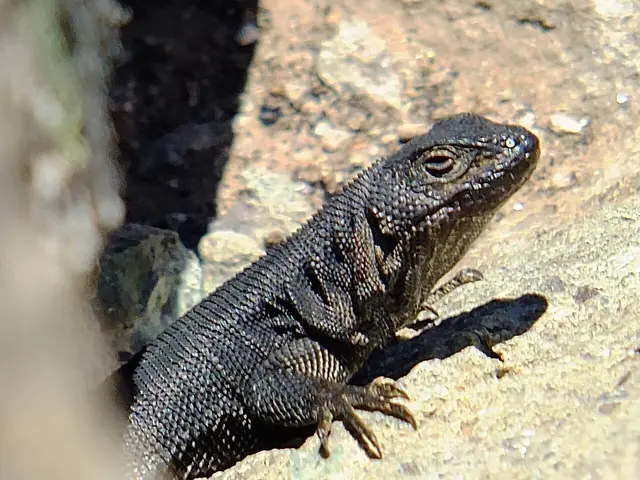
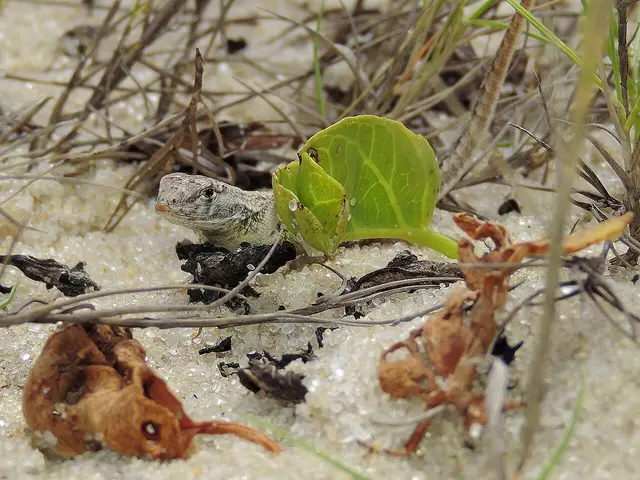
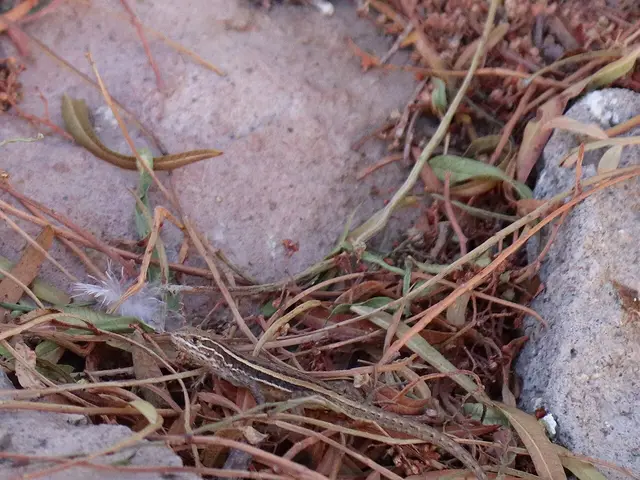
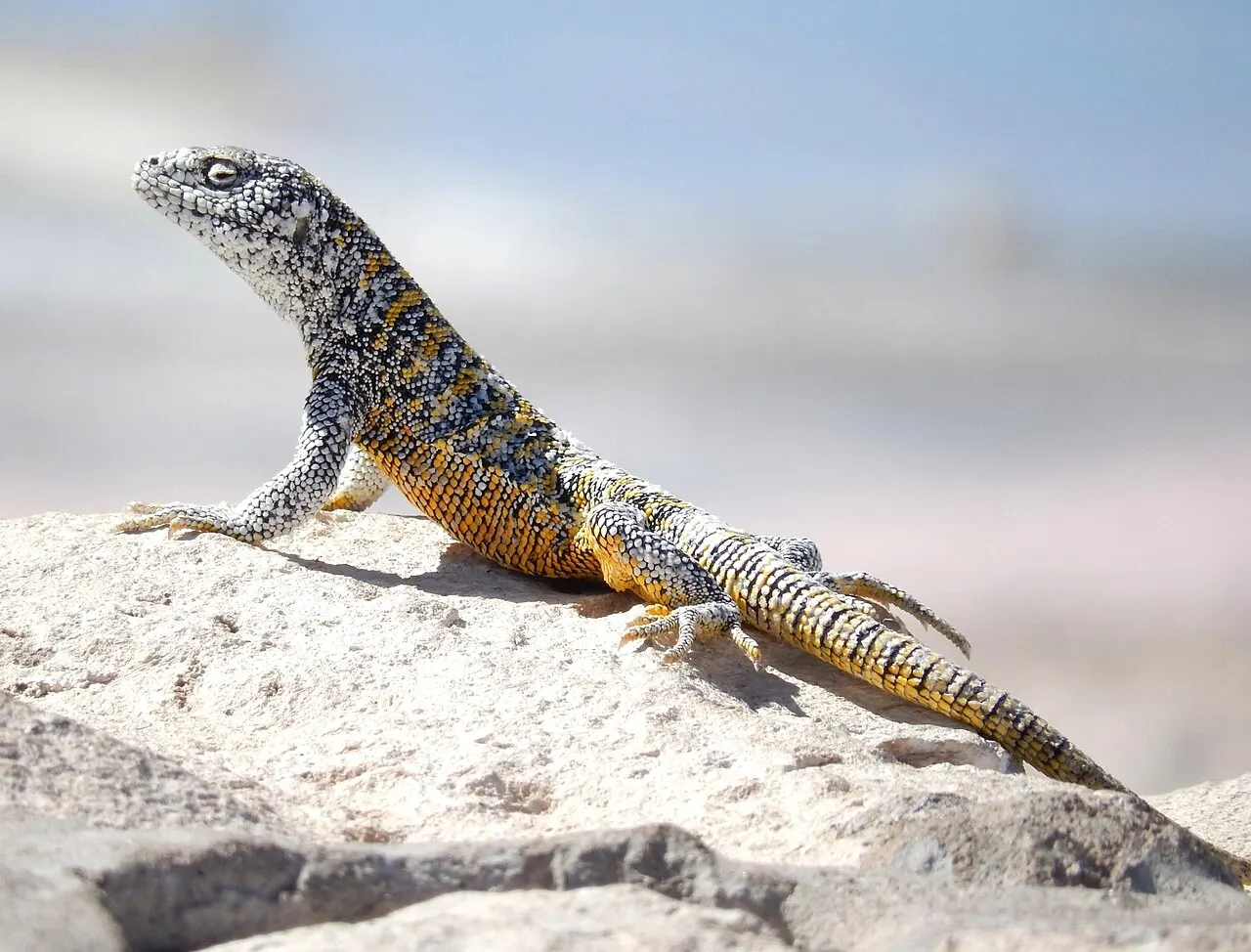
Fabian's lizard (Liolaemus fabiani) is a small, red-and-black spotted lizard found only around the Salar de Atacama, a high salt flat in northern Chile. The IUCN Red List rated it Endangered in 2017, because its known range is small, counted as a single location, and faces mining and tourism.
How to recognise it
It's a modest-sized lizard, reportedly 12 to 16 cm long in total, with the tail making up about half of that. The body is greyish and marked with red and black dots and spots, which is the main clue to its identity. The head is subtriangular, with the temple and back-of-head regions standing out more than in other Liolaemus, and the scales on the upper arm are smooth and triangular.
It also goes by Yanez's tree iguana and, in Spanish, lagartija de Fabián. The name honors Fabián Jaksic, a Chilean ecologist known for his work on Liolaemus lizards.
Where it lives
The species is endemic to the Salar de Atacama, a salt flat in northern Chile. It lives between about 2,300 and 3,000 m above sea level. The IUCN counts a single location, with an extent of occurrence of about 2,600 square km, in permanent saline and brackish marshes and pools. It does occur in at least one protected area.
Accounts of its habits differ. One reference describes it living near water and even swimming while hunting prey, while a Spanish-language reference describes it as a ground dweller on sand in arid terrain. A lizard living along the edge of a salt flat could fit both pictures.
Pins are Wikidata “endemic to” fields. Orange dots, when present, are GBIF occurrence tiles — survey bias included.
How it lives
It reportedly eats mosquitoes and other insects. Females bear live young rather than laying eggs. Little else about its daily life or numbers is documented, and the IUCN records both the population size and its trend as unknown.
The species is based on a sample collected in September 1981 at about 2,450 m in Llano de Vilama, near San Pedro de Atacama, and José Yáñez and Herman Núñez formally described it in 1983.
Why it is in trouble
The IUCN lists mining and quarrying as an ongoing threat, tourism and recreation as another, and seepage from mining as a threat expected in the future over most of the range. The effect of each on the lizard is unknown, and the assessment records a continuing decline in the area it occupies.
The wider setting gives cause for concern. In a 2024 Mongabay report, the two companies licensed for lithium mining in Chile, SQM and Albemarle, pump roughly 63 billion liters of brine a year from the salt flat, about 2,000 liters per second. The ground is sinking by up to 2 cm a year across an 8 by 6 km zone, and researchers worry the subsidence could spread to protected sites such as Los Flamencos National Reserve. No source links this directly to the lizard.
What is being done
The only conservation action the IUCN records is site and area management, and the species is known from at least one protected area. No species-specific recovery effort appears in the sources.
Sources
Written for this catalog in our own words from the sources below, checked against them on 12 November 2026. Population figures are estimates and carry the year they were made. Status and assessment year: IUCN. 2026. The IUCN Red List of Threatened Species. Version 2026-1. iucnredlist.org.