Endangered
Southern hairy crayfish
Euastacus hirsutus
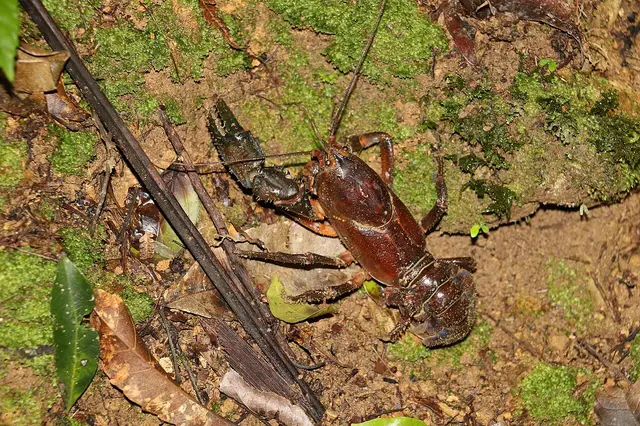
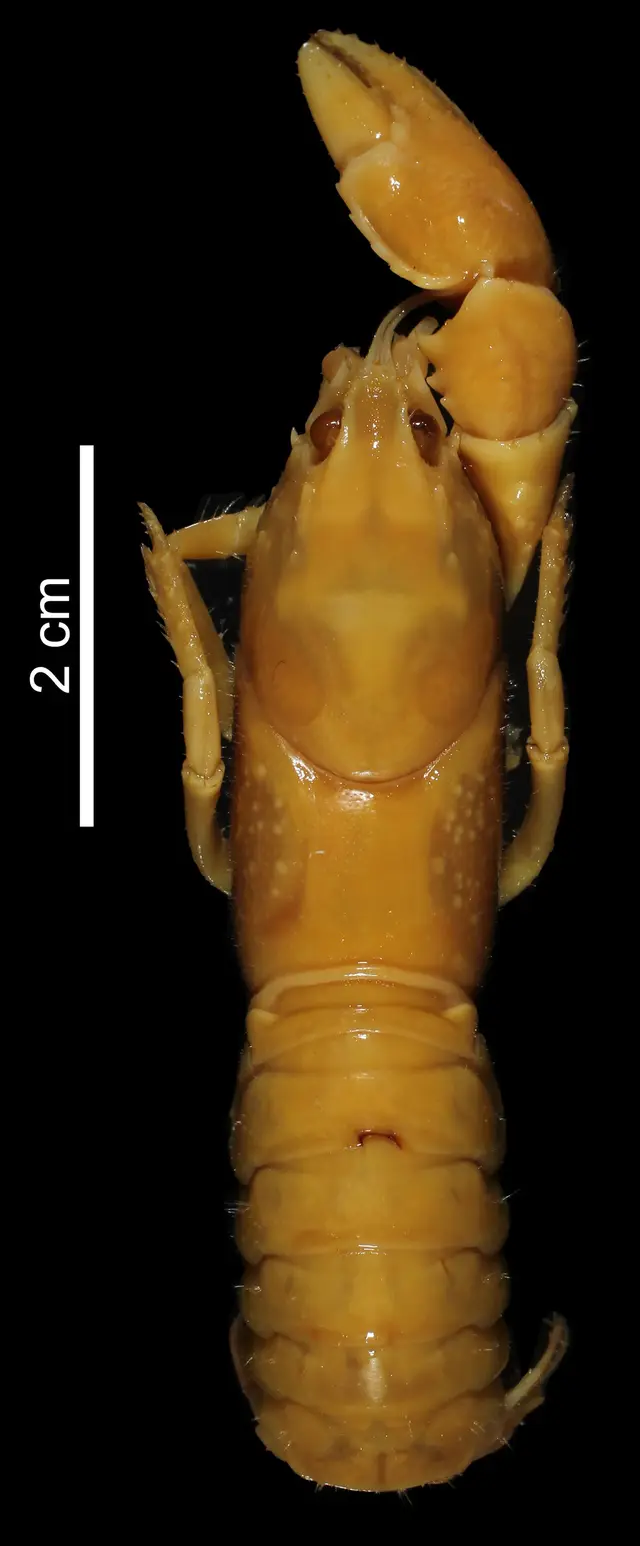
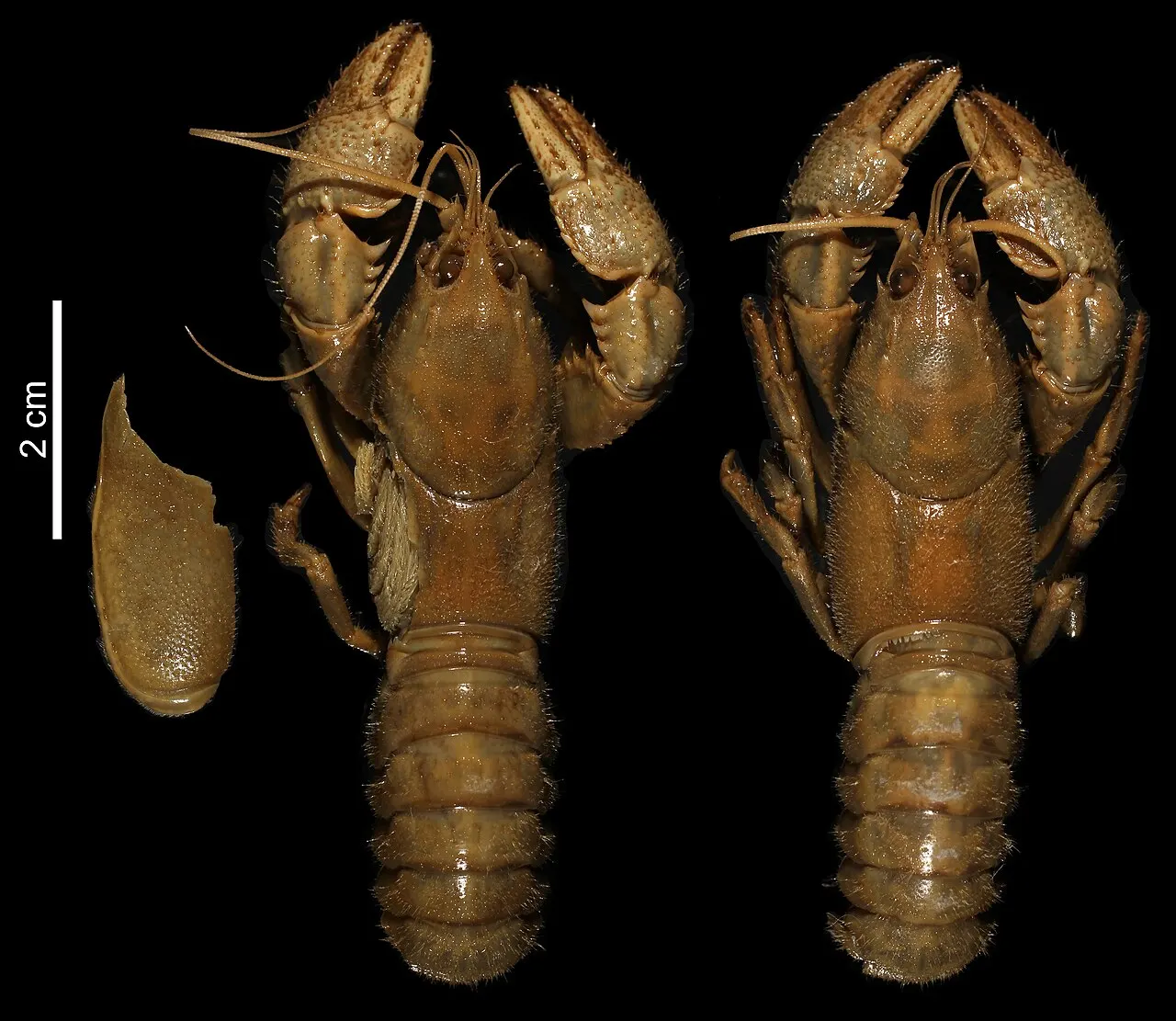
The southern hairy crayfish (Euastacus hirsutus) is a freshwater spiny crayfish found only in streams along a short stretch of coastal New South Wales, Australia. The IUCN Red List rated it Endangered in 2010, with an unknown population trend and a total range of about 1,200 square kilometres.
Where it lives
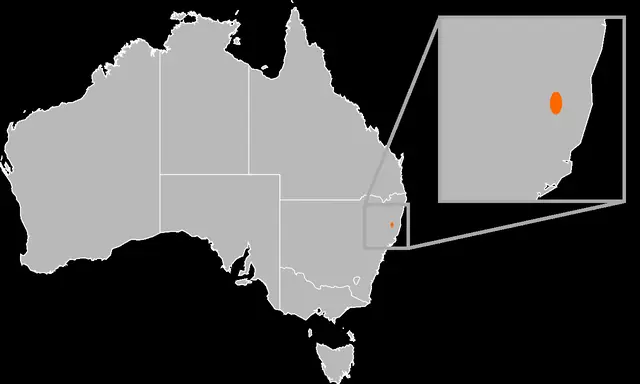
This crayfish is endemic to New South Wales. Its range runs for roughly 55 km, from Mount Keira near Wollongong south and west to just north-east of Nowra. It was described by Allan McCulloch in 1917, and the type locality is Belmore Falls Creek.
Records come from small creeks that run east, and from larger streams including Minnamurra Creek, Cambewarra Creek and the Kangaroo River. Specimens have been collected between 200 and 600 m above sea level. A 1995 review of crayfish in the state's eastern highlands listed its range as very limited and tied to Illawarra coastal streams.
The IUCN lists a single habitat for it, permanent rivers and streams, and records the species as extant in New South Wales.
Pins are Wikidata “endemic to” fields. Orange dots, when present, are GBIF occurrence tiles — survey bias included.
Habitat and biology
Collecting sites have mostly been on sedimentary rock, especially sandstone. The streams there run through light temperate rainforest, or beneath wet and dry sclerophyll forest on the slopes above, and most were moderately to well shaded.
Little has been published on its diet, breeding or lifespan. Spiny crayfish of the genus Euastacus in general grow very slowly, mature late and may live for decades. Genus-wide traits like these suggest a species that recovers slowly from losses, but they haven't been measured for this one.
Why it is in trouble
The Endangered listing rests on criterion B1ab(iii). That means a small geographic range, a severely fragmented population and an ongoing decline in habitat quality. No population count has been published.
The IUCN names drought, temperature extremes and shifting or altered habitat as future threats, and more frequent or intense fire as an ongoing one. These can degrade a stream or leave animals competing for scarce water. A creek that dries out is a serious problem for a crayfish with nowhere else to go.
It also names introduced animals as ongoing threats: foxes, cats, pigs, goats, cane toads and the common yabby (Cherax destructor), a crayfish from inland Australia.
The assessment dates from 2010 and lists no conservation actions specific to the species. A 1995 review of freshwater crayfish in the eastern highlands found most species protected in reserves, but warned that the reserve system is limited and that polluted sites and other pressures outside, and in places within, reserves could still affect them.
Sources
Written for this catalog in our own words from the sources below, checked against them on 12 November 2026. Population figures are estimates and carry the year they were made. Status and assessment year: IUCN. 2026. The IUCN Red List of Threatened Species. Version 2026-1. iucnredlist.org.