Critically Endangered
Euastacus setosus
Euastacus setosus
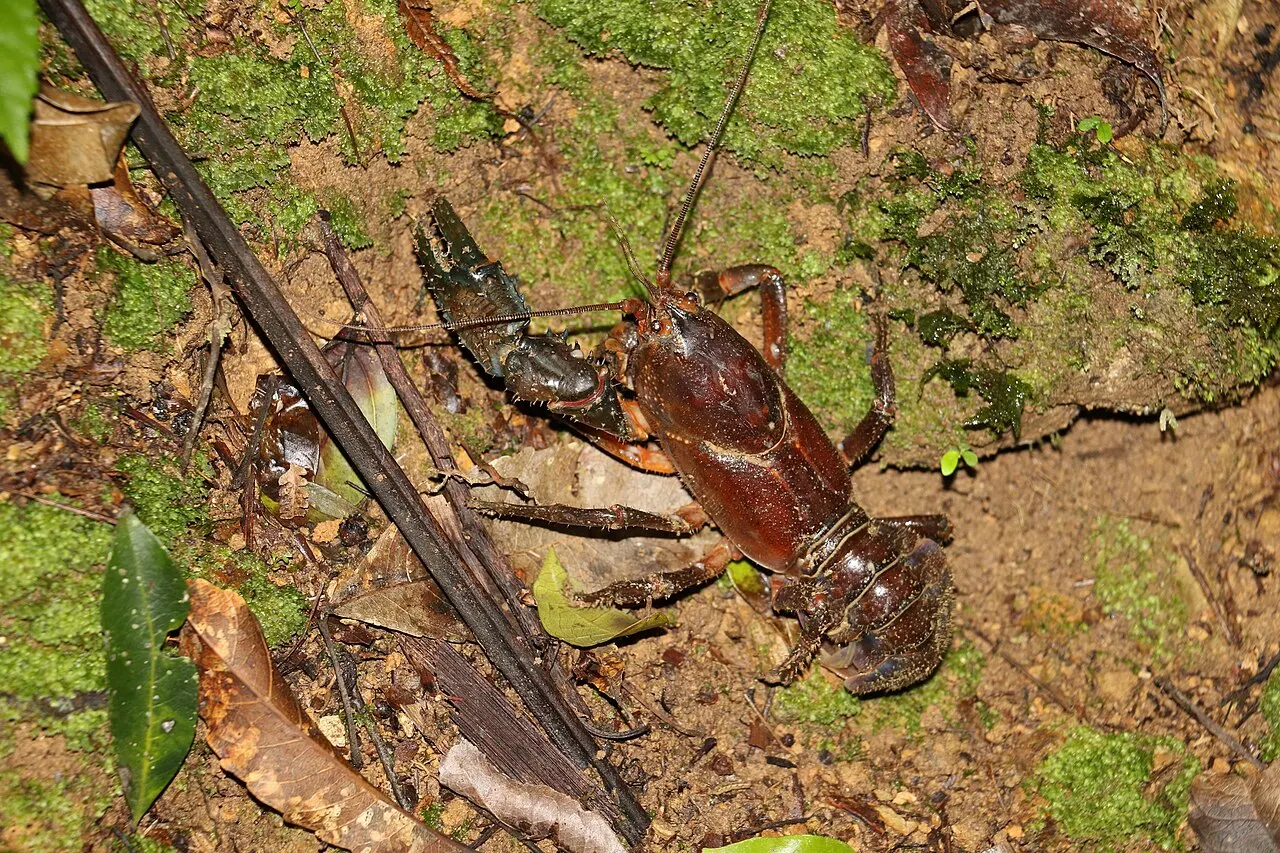
The Mount Glorious spiny crayfish (Euastacus setosus) is a freshwater crayfish known from just a couple of rainforest creek systems in the D'Aguilar Range, north-west of Brisbane, Queensland. The IUCN Red List last assessed it in 2010 as Critically Endangered, with an unknown population trend.
What it is
Euastacus setosus belongs to the family Parastacidae and was described by the zoologist Riek in 1956. It was originally named Euastacoides setosus and is now placed in Euastacus, a group of spiny freshwater crayfish found only in the south-east of the Australian mainland.
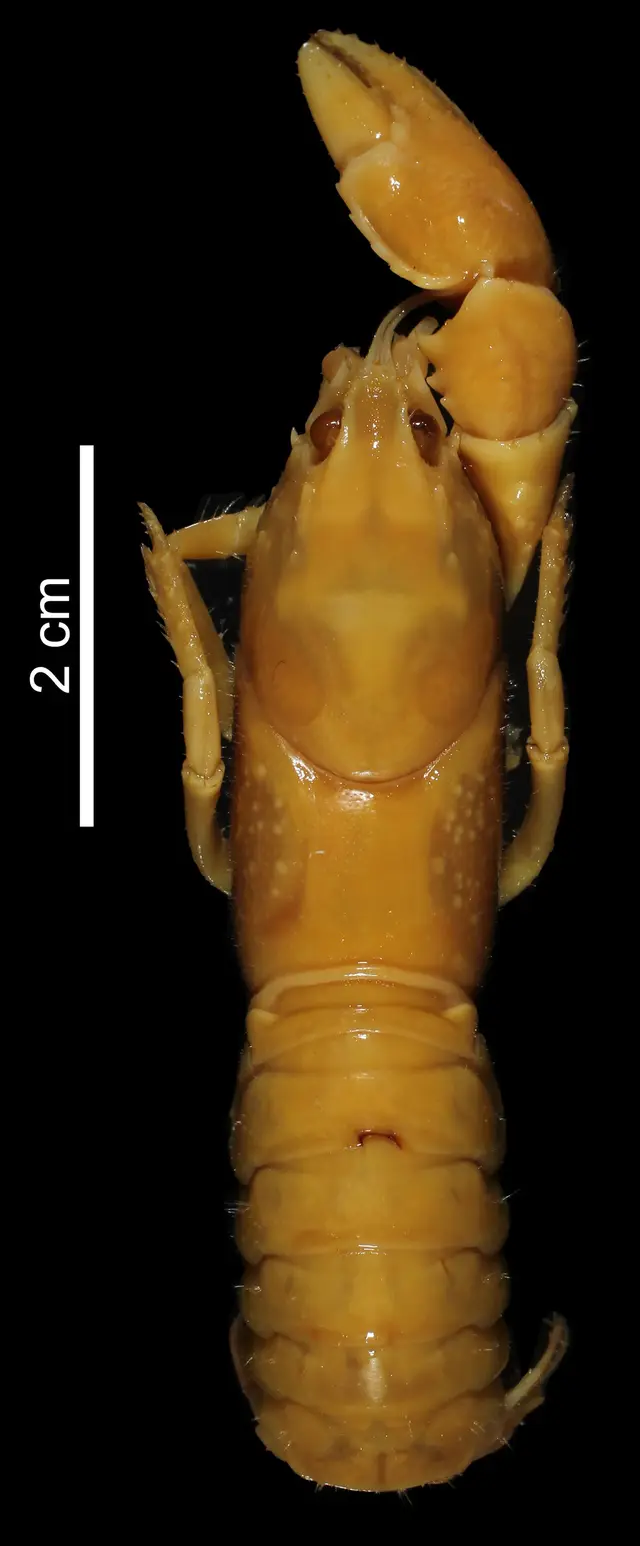
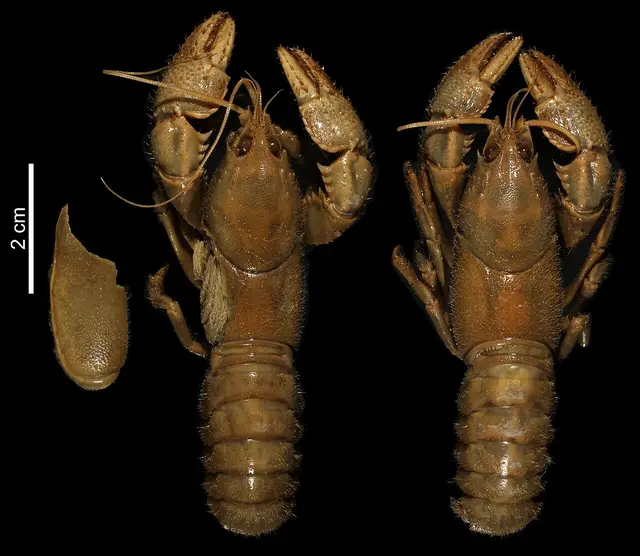
The original specimens came from Mount Glorious. The Australian Museum in Sydney holds the male and female type specimens, plus 23 paratypes. No body size or colour has been published for this species. Euastacus crayfish in general are recognised by short, stout spikes on the claws and carapace.
Where it lives
The species is known from tributaries of the Pine River in the Mount Glorious area, within the D'Aguilar Range. It lives in rainforest streams above about 500 m, in the Maiala National Park area. Rainforest in the district has been widely cleared, and what remains is mostly in gullies inside national parks and state forests, with sclerophyll forest on the higher ridges.
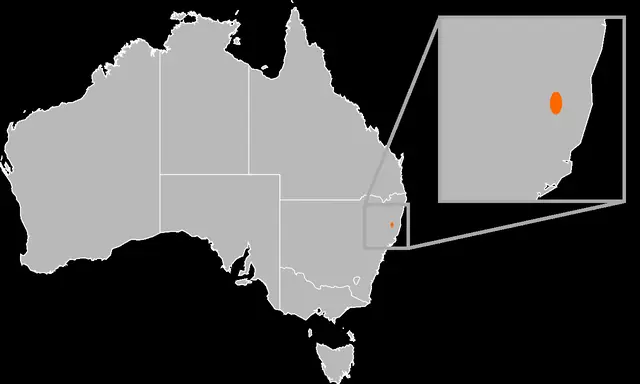
Only the type locality has produced specimens, though the species may occur elsewhere in the range. The IUCN assessment treats it as a single location, with an estimated extent of about 10 square km and an area of occupancy between 0 and 10 square km. Its listed habitat is permanent rivers, streams and creeks, including waterfalls. The assessment does not consider the population severely fragmented.
Pins are Wikidata “endemic to” fields. Orange dots, when present, are GBIF occurrence tiles — survey bias included.
Why it is in trouble
A crayfish limited to a handful of creeks can be wiped out by one bad event. The 2010 assessment lists several pressures. Ongoing ones include small-scale harvest, the effects of work and other human activities, and introduced animals (cane toads, foxes, pigs, cats and goats). Future ones include drought, temperature extremes and shifting or altered habitat, and the assessment also flags a possible rise in fire frequency or intensity.
These concerns matter more because of what is known about the genus. Euastacus species need permanent water with good flow and high oxygen, and cannot survive their streams drying out. They are also reported to grow very slowly, mature late and live a long time, which makes recovery from losses slow.
What is being done
The species lives inside a protected area, and the Red List records a harvest management plan as in place. Queensland moved it from unlisted to Critically Endangered under its Nature Conservation Act on 6 June 2025. No population estimate has been published.
Sources
Written for this catalog in our own words from the sources below, checked against them on 12 November 2026. Population figures are estimates and carry the year they were made. Status and assessment year: IUCN. 2026. The IUCN Red List of Threatened Species. Version 2026-1. iucnredlist.org.