Critically Endangered
Craugastor pozo
Craugastor pozo
The Pozo Turipache rainfrog (Craugastor pozo) is a brown forest frog known only from the western foothills and highlands of Chiapas, Mexico. The IUCN Red List assessed it as Critically Endangered in 2020. Its whole known range is tiny, and the forest it depends on keeps shrinking.
How to recognise it
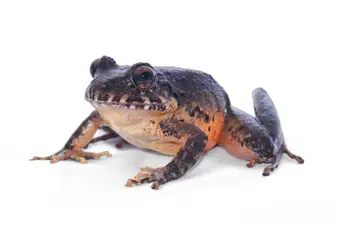
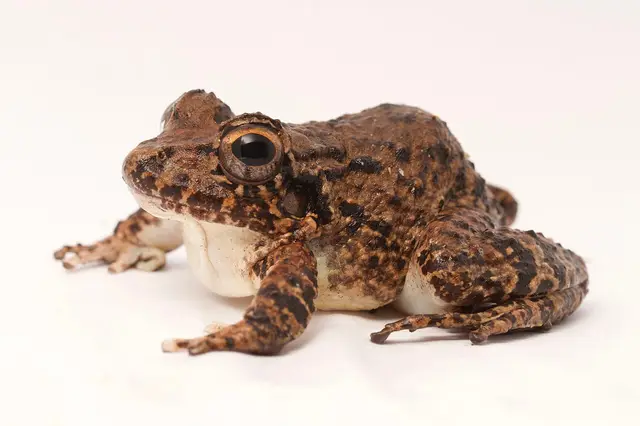
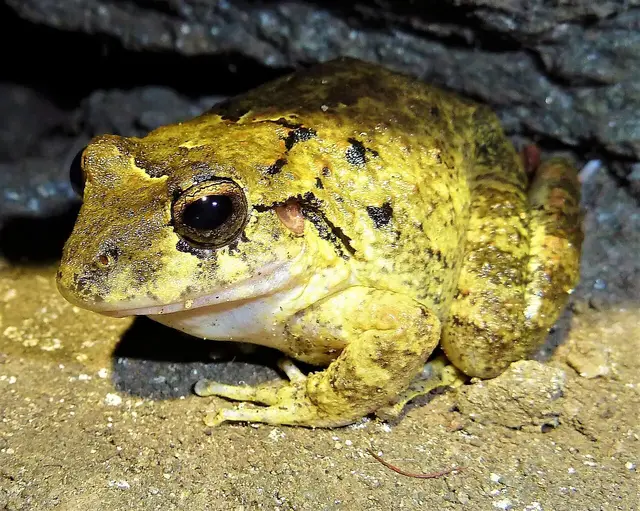
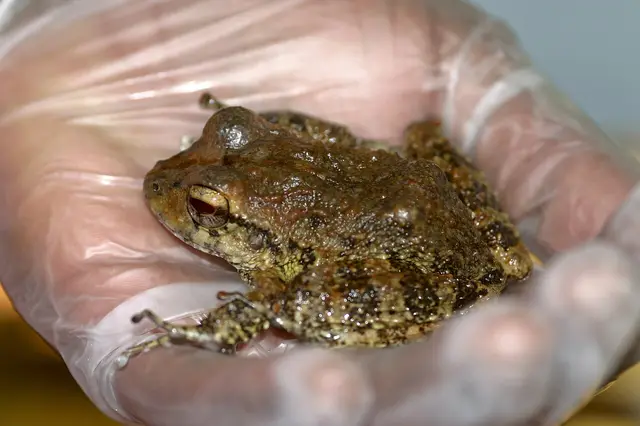
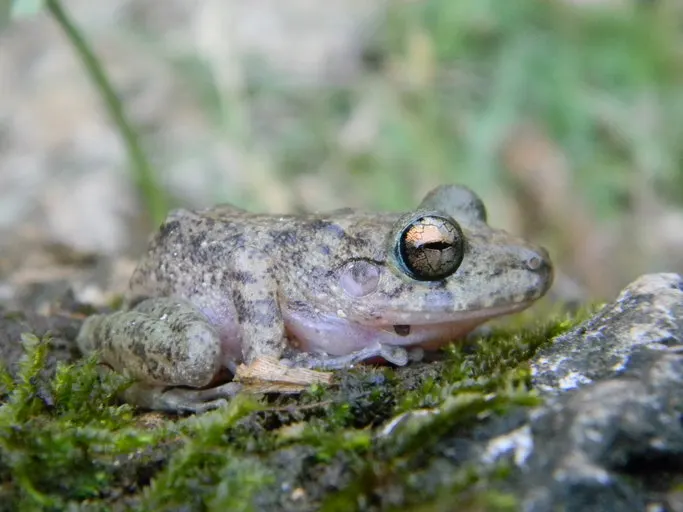
This is a fairly large rainfrog, and the sexes differ a lot in size. Males measure about 37 to 48 mm from snout to vent, while females reach 46 to 81 mm. The back is brown, usually with a few black streaks or spots, and the flanks are cream with bold, dark brown marbling.
A sharp ridge runs along the side of the snout, the eardrum is easy to see, and dark bars cross the lip and limbs. Large adult males have vocal slits. Until the mid 1990s the frog was mistaken for a related species, Craugastor brocchi, and it was named as new in 1995.
Where it lives
It is endemic to Mexico, and every record comes from Chiapas. GBIF holds 61 occurrence records, all from that state. The species is named for El Pozo, the local name for the area around its type locality, which is also called Pozo Turipache or Pozo La Pera.
The IUCN assessment treats the frog as occurring at a single location, with an estimated range of just 66 square kilometres and an elevation span of 760 to 1,100 m. Habitats listed are lowland and montane moist forest, plus caves.
Pins are Wikidata “endemic to” fields. Orange dots, when present, are GBIF occurrence tiles — survey bias included.
How it lives
It lives on the forest floor, tucked under leaf litter, among limestone boulders and in limestone caves. It hides by day and comes out at night to move across the ground and through low vegetation.
Like many of its relatives it is reportedly a direct developer. There is no swimming tadpole: the eggs hatch straight into tiny froglets, so the species does not need open water to breed.
Why it is in trouble
The Red List criteria (B1ab(iii)) reflect a very small range, a single location and continuing decline in habitat. The population trend is listed as decreasing.
The threats named in the assessment are housing and urban development, tourism and recreation areas, and small-scale farming. Forest has been cleared for farms and settlements. The assessment gives no population count.
What is being done
Part of the frog's range lies inside the Selva El Ocote biosphere reserve, and the type locality sits in the La Pera ecological conservation zone, so some protected habitat exists. The IUCN lists site protection and management, education and awareness as the actions needed, and one conservation write-up argues that more protected area is required.
Sources
Written for this catalog in our own words from the sources below, checked against them on 12 November 2026. Population figures are estimates and carry the year they were made. Status and assessment year: IUCN. 2026. The IUCN Red List of Threatened Species. Version 2026-1. iucnredlist.org.