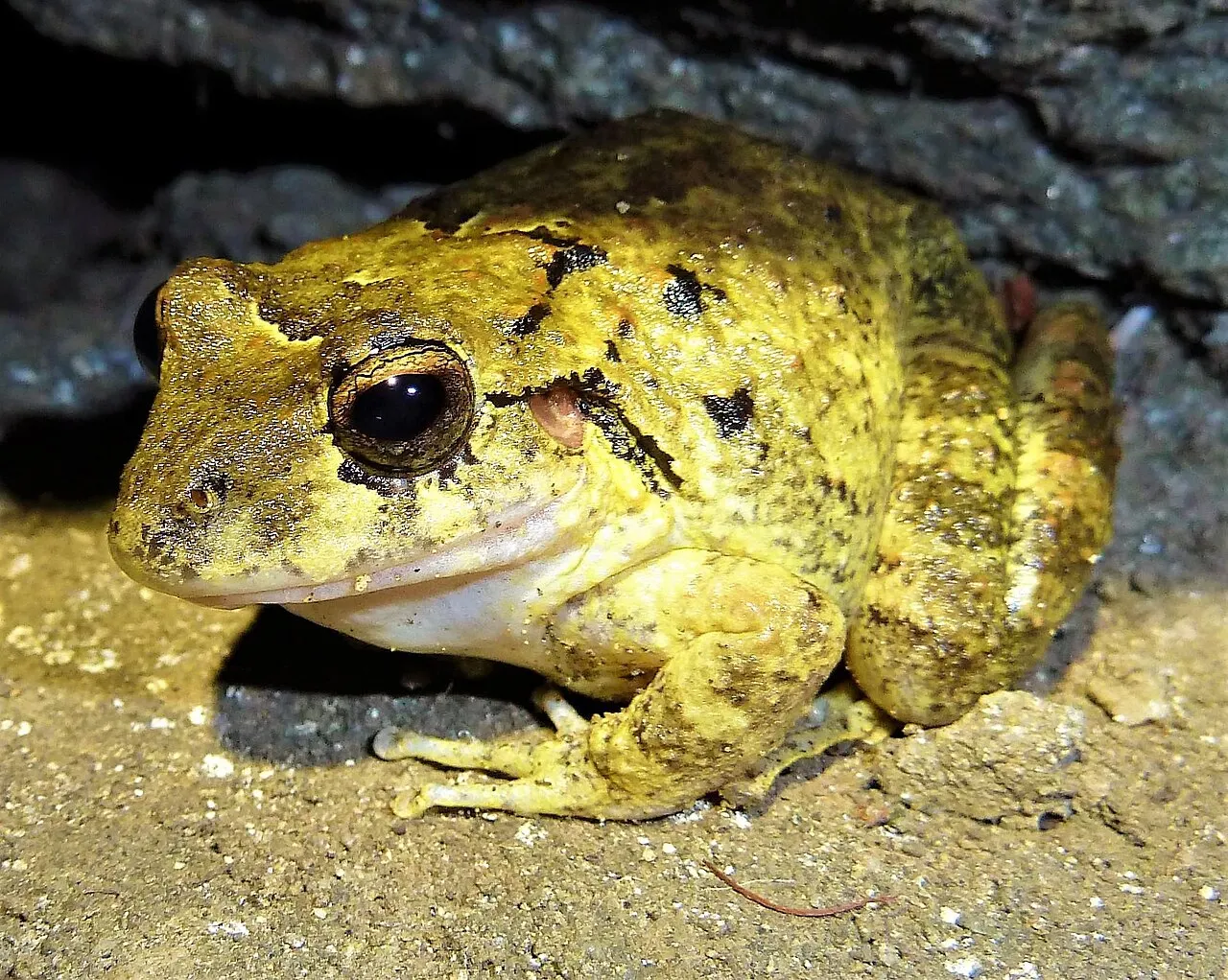
Critically Endangered
Craugastor inachus
Craugastor inachus
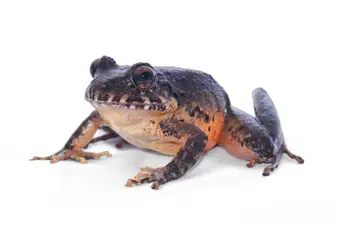
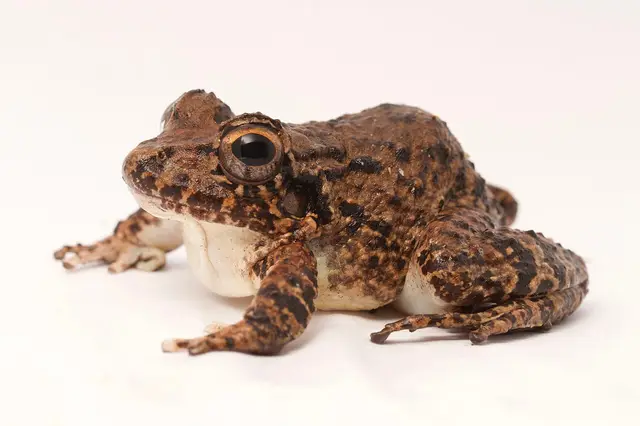
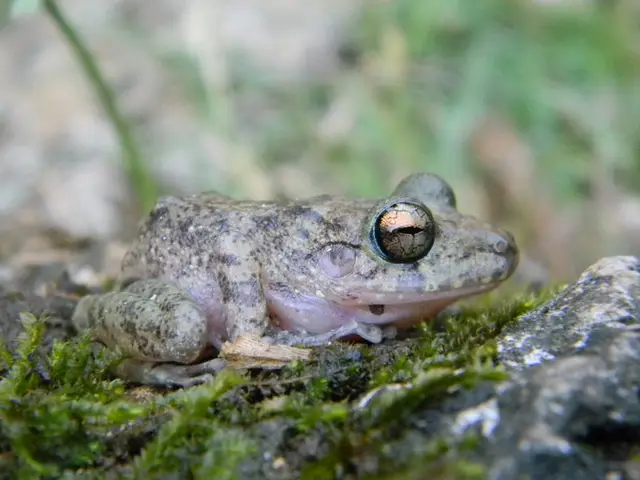
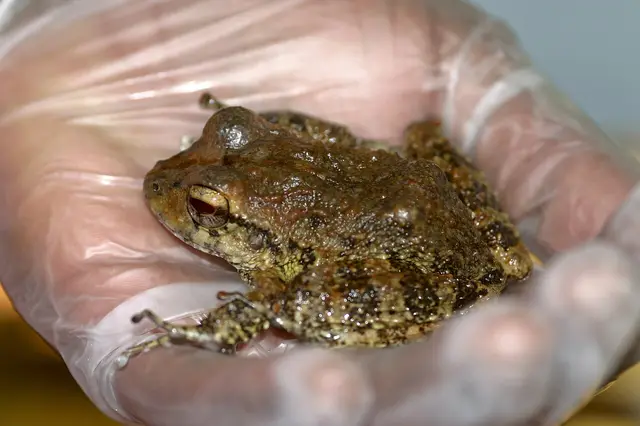
Craugastor inachus is a small frog found only in Guatemala, in dry forest and along streams near the Motagua Valley. The IUCN Red List rated it Critically Endangered in 2020 after a steep decline. It faces pressure from farming, mining, water use, drought and the chytrid fungus.
Where it lives
The species is endemic to Guatemala. It was described in 2000 by Jonathan Campbell and Jay Savage, originally as Eleutherodactylus inachus, from the Quebrada Los Chorros near Santa Elena and San Diego in Zacapa department. That site sits in the Río Motagua Valley at about 650 m, in premontane dry forest. The frog was later moved into the genus Craugastor.
The Red List assessment puts its elevation range at 500 to 750 m and its extent of occurrence at about 713 square kilometres. The frog is not a migrant. It is classed as resident in subtropical and tropical dry forest, its main habitat, and permanent streams, which suit it only marginally.
Pins are Wikidata “endemic to” fields. Orange dots, when present, are GBIF occurrence tiles — survey bias included.
How it lives
The frog's behaviour, diet and breeding appear to be poorly documented. The Red List assessment gives a generation length of one to three years, and no common name is recorded.
Why it is in trouble
The Red List records a population reduction of about 80 percent in the past and a further 80 to 100 percent reduction under way, based on direct observation and shrinking, degraded habitat. Its range is still declining. The assessment marks the causes of the reduction as understood and the decline as not reversible.
Several threats are listed as ongoing. Chytridiomycosis, the skin disease caused by the fungus Batrachochytrium dendrobatidis, is named as a threat. So are farming by agro-industry, mining and quarrying, soil erosion and sediment in streams, drawing off surface water for household use, and drought. Most are rated low impact, and the scale and severity of the fungus and of one unspecified threat are rated unknown.
Less water and more silt in streams are likely to be hard on an amphibian that depends on moist skin.
What is being done
The assessment records that the species occurs in at least one protected area. The conservation actions it lists are site and area protection, site management, and restoration of habitat and natural processes. It does not list a captive breeding programme, and no recent population count is given.
Sources
Written for this catalog in our own words from the sources below, checked against them on 12 November 2026. Population figures are estimates and carry the year they were made. Status and assessment year: IUCN. 2026. The IUCN Red List of Threatened Species. Version 2026-1. iucnredlist.org.