Endangered
Betta tussyae
Betta tussyae
Betta tussyae is a tiny fighting fish from the peat swamp forests of eastern Peninsular Malaysia. It lives in dark, acidic, tea-coloured water and is known from just three locations. The IUCN Red List classed it as Endangered in 2019, mainly because its swamp forest home keeps being cleared and drained.
How to recognise it
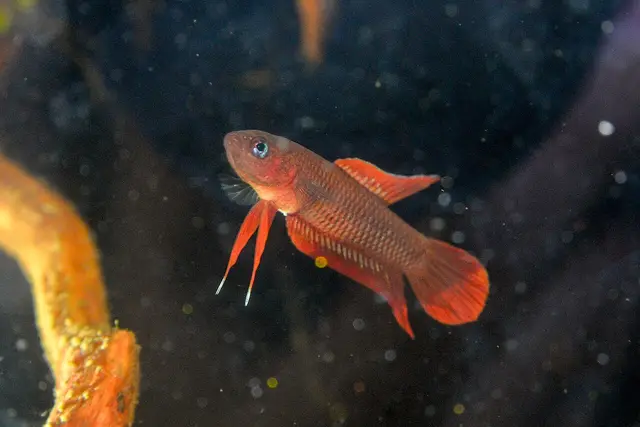
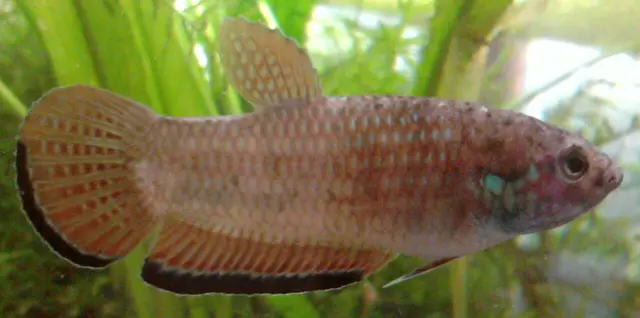
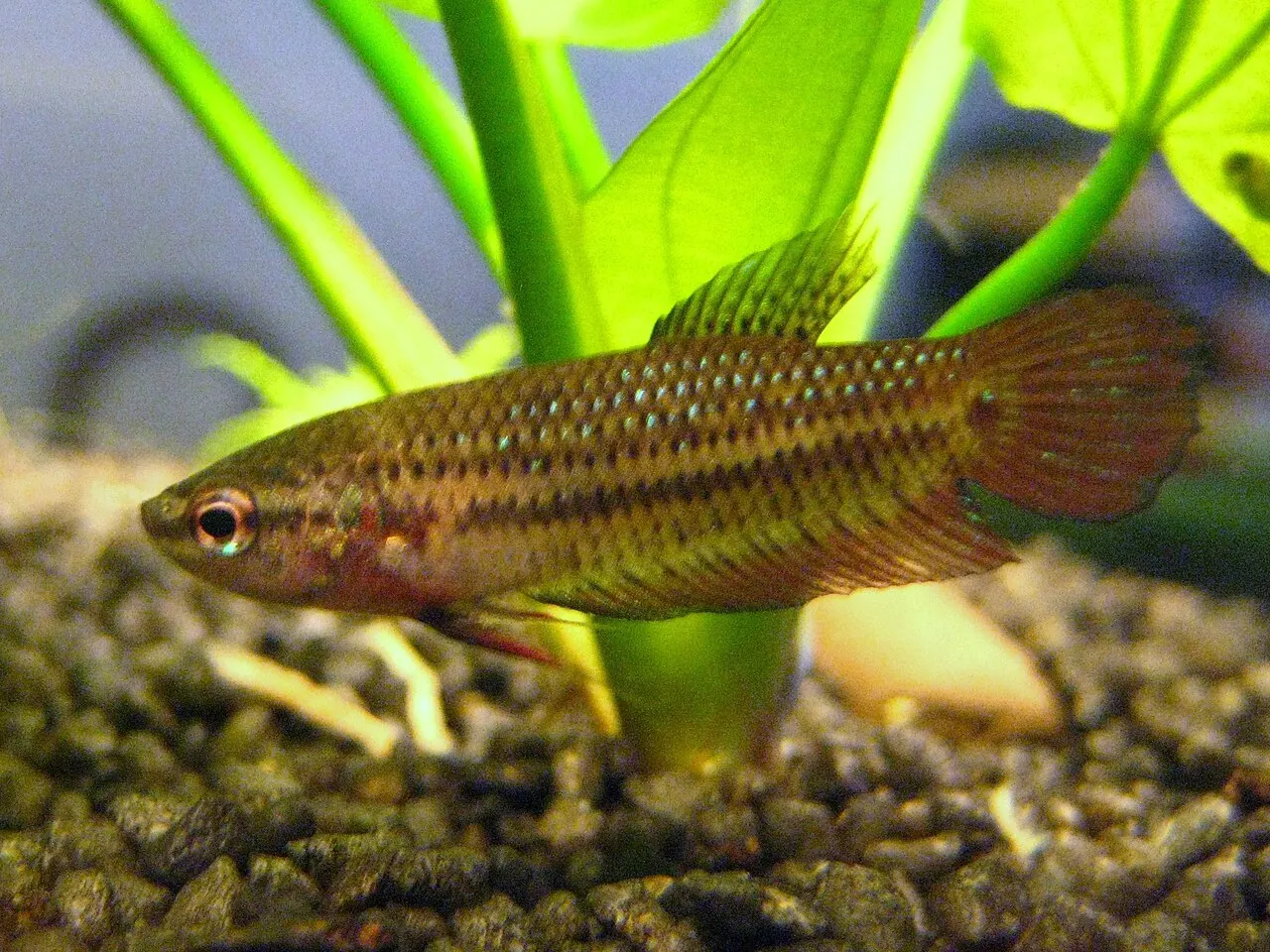
This is a very small betta, reaching about 3.7 centimetres in standard length. The body is reddish orange with two darker stripes along the flank and faint gold bars on the gill cover. The pelvic fins are red with a white tip.
Where it lives
Betta tussyae is found only in Peninsular Malaysia, in coastal Pahang and neighbouring Terengganu. The type locality lies about 77 kilometres south of Kuantan, roughly a kilometre from the sea. The Red List counts three locations and an extent of occurrence of only about 741 square kilometres (2019).
It is an obligate resident of peat swamps and the blackwater streams that drain them. These are shaded, sluggish waters stained dark by humic acids, almost free of dissolved minerals, with a pH that can drop to 3 or 4. The bottom is leaf litter, branches and roots. In dry spells the fish can reportedly survive for several weeks in moist leaf litter.
Pins are Wikidata “endemic to” fields. Orange dots, when present, are GBIF occurrence tiles — survey bias included.
How it lives
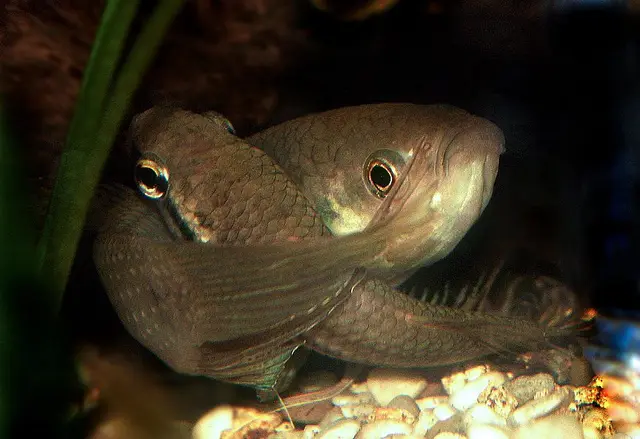
In the wild it probably eats insects and other small invertebrates. Aquarium keepers report that it is a bubble-nester: the male builds a nest, often under a leaf or in a tube, and the pair spawns in an embrace beneath it. The eggs hatch in a day or two, the fry stay in the nest for three or four more days, and the male stops guarding them once they swim freely.
Why it is in trouble
The Red List lists farming, plantations, housing and urban growth, and the unintended effects of harvesting as threats, all of which convert or degrade its swamp habitat, and records a continuing decline in the area it occupies. The population trend is unknown.
The South-east Pahang peat swamp forest, a site where the species is recorded, covers about 1,394 square kilometres. Its listed threats include unsustainable commercial logging, clearing for agriculture and development, deliberate fires, and large eel farms that draw water from the swamp. In 2004 none of the area was formally protected. Aquarium hobbyists are also urged not to use natural peat in fish tanks, because collecting it is unsustainable and damaging.
What is being done
The assessment records habitat protection, site protection and awareness work as actions needed, but notes no conservation measures currently in place for the species.
Sources
Written for this catalog in our own words from the sources below, checked against them on 12 November 2026. Population figures are estimates and carry the year they were made. Status and assessment year: IUCN. 2026. The IUCN Red List of Threatened Species. Version 2026-1. iucnredlist.org.