Critically Endangered
Krabi mouth-brooding betta
Betta simplex
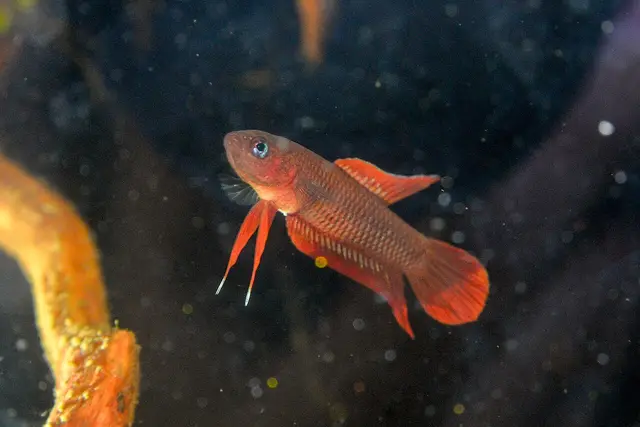
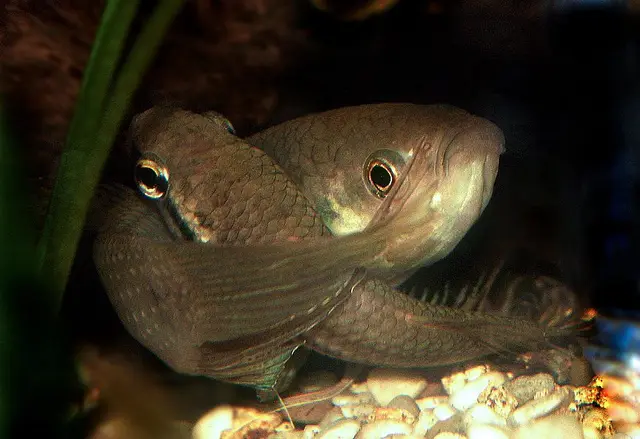
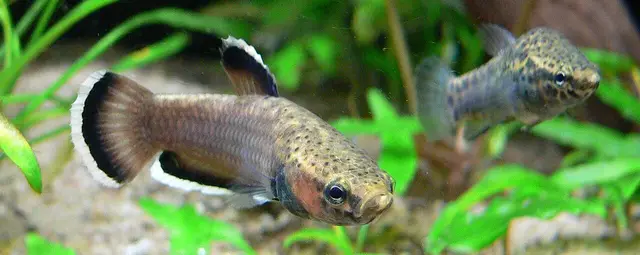
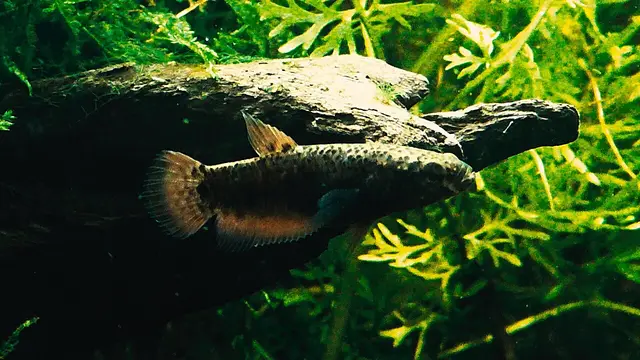
The Krabi mouth-brooding betta (Betta simplex) is a small freshwater fish found only in karst springs and ditches of Krabi Province, southern Thailand. The IUCN Red List classed it as Critically Endangered in 2011, because it occupies a single small location. The male carries the eggs in his mouth until they hatch.
How to recognise it
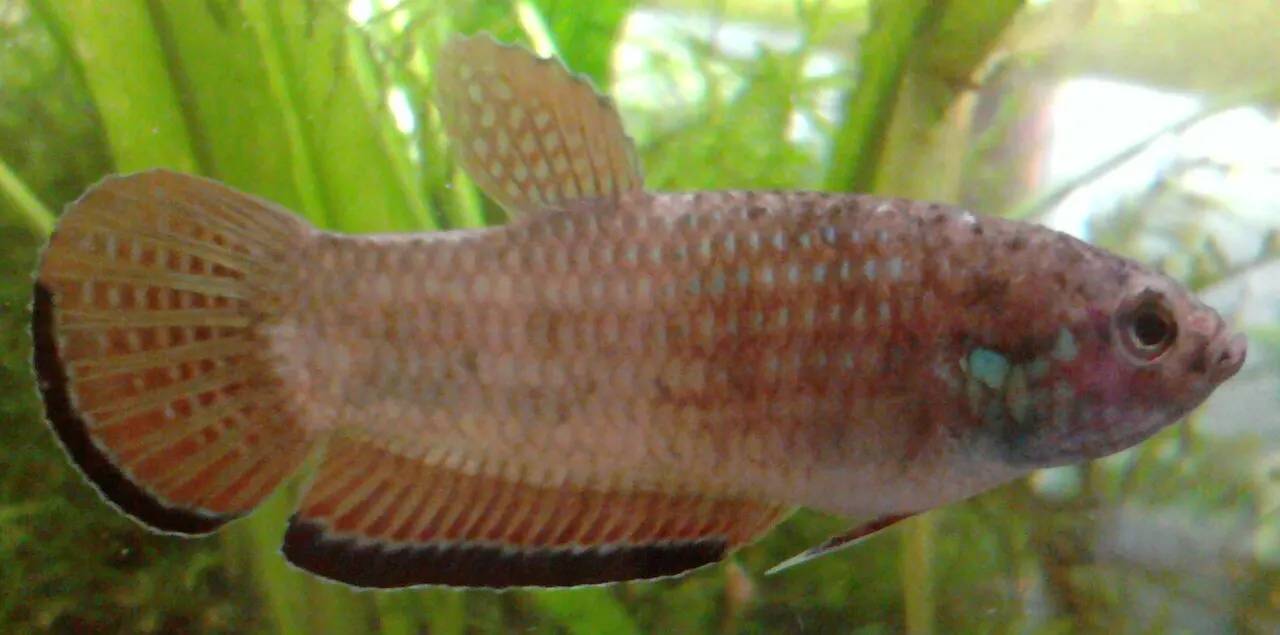
It's an oblong fish with rounded fins and a yellowish brown or greyish brown body marked by three faint lengthwise stripes. The gill cover carries a bluish green patch, and the fins show blue iridescence. The anal fin is long with a dark edge, and the tail is rounded.
Size figures differ. One reference gives a length of about 8 cm, while an aquarium profile gives a maximum standard length of 60 mm, with males growing larger than females.
Where it lives
It is known from one location in Krabi Province, with a total occupied area under 10 sq km. The type locality is a set of springs and a small lake northwest of Krabi town, behind Ban Nai Sra village. Hobbyist sources also mention a stream population near Ao Luek, sold as 'type 2'.
The water comes up from limestone aquifers as clear pools and streams, neutral to slightly alkaline (about pH 7.0 to 7.4 in one aquarium profile) with a blue green tint from dissolved calcium carbonate. Fish gather under overhanging plants close to the banks. The species is most abundant in a small ditch that drains the pools and sometimes dries out.
Pins are Wikidata “endemic to” fields. Orange dots, when present, are GBIF occurrence tiles — survey bias included.
How it lives
The diet in the wild is probably insects, small crustaceans, other tiny invertebrates and zooplankton.
It is a paternal mouthbrooder: the male holds the fertilised eggs in his mouth until they hatch. In aquarium breeding the eggs stay there for 9 to 16 days, after which the fry swim free.
Why it is in trouble
The Red List assessment lists pollution from nutrient loads and herbicides and pesticides, and small scale harvest. Farmland development, chemical runoff from agriculture and tourism are also cited as pressures on the habitat. Fish are collected for the aquarium trade and reportedly for local use as eel bait.
The population trend is recorded as unknown, and the assessment lists no conservation actions in place.
Sources
Written for this catalog in our own words from the sources below, checked against them on 12 November 2026. Population figures are estimates and carry the year they were made. Status and assessment year: IUCN. 2026. The IUCN Red List of Threatened Species. Version 2026-1. iucnredlist.org.