Critically Endangered
Betta fusca
Betta fusca
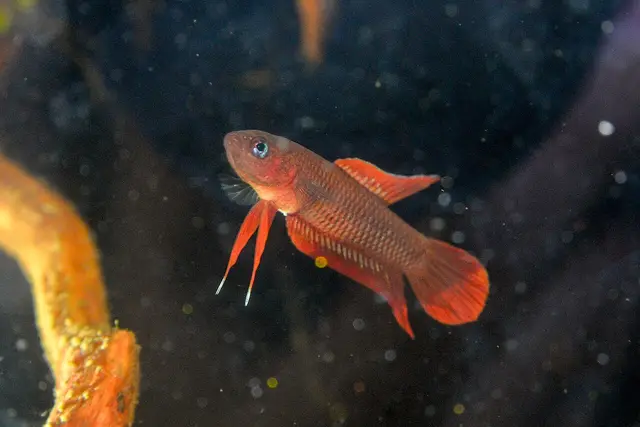
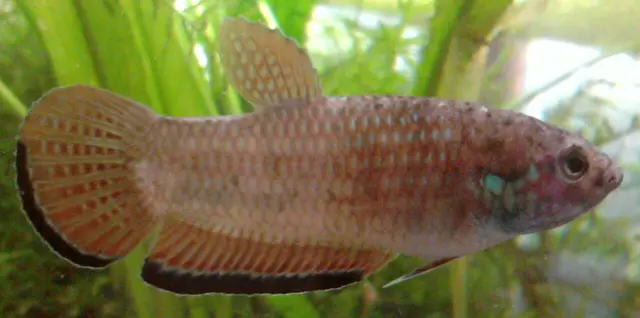
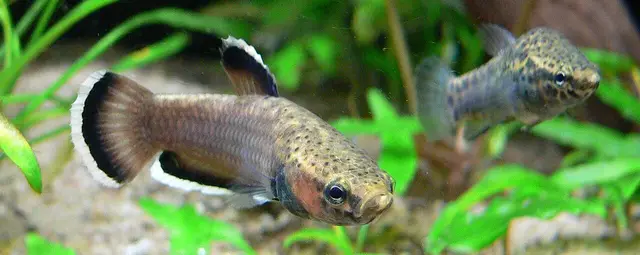
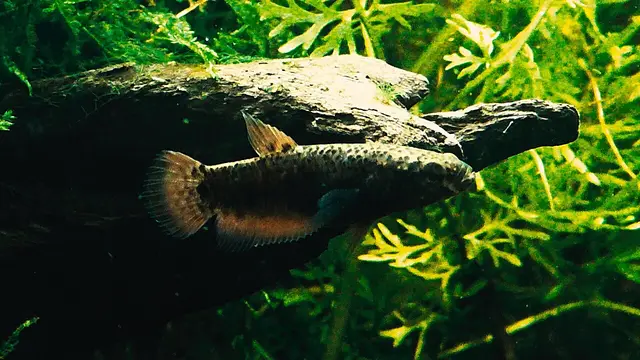
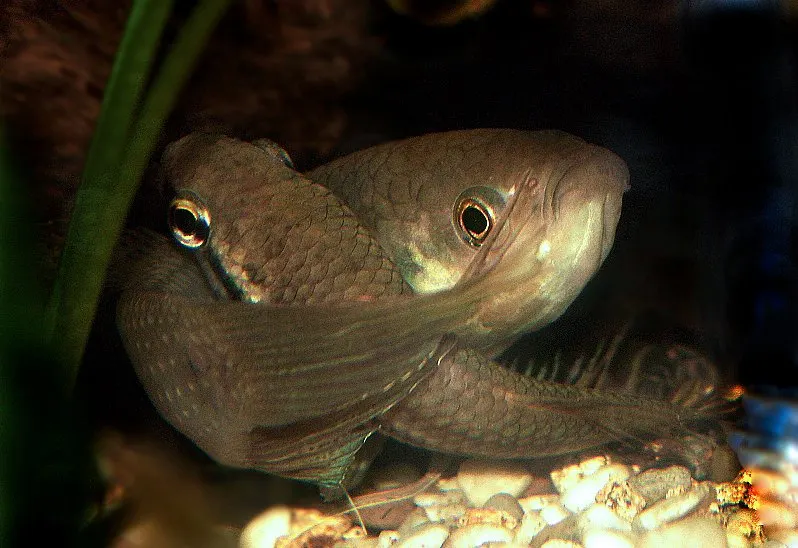
The dusky betta (Betta fusca) is a small freshwater fish from Sumatra, Indonesia, and a mouthbrooder that can also breathe air. The IUCN Red List rated it Critically Endangered in 2019, flagged as possibly extinct, with fewer than 50 mature individuals thought to remain. Whether the fish sold as B. fusca is the real species is doubtful.
How to recognise it
Betta fusca belongs to the gourami family (Osphronemidae) and was described by Regan in 1910. It reaches 8.2 cm in total length. The type specimens were collected in Sumatra.
Identification has been messy. A Sumatran relative, Betta raja, was widely misidentified as Betta fusca before it was formally described. The International Betta Congress species profile goes further and says it is in doubt whether the species exists in the form aquarists knew, adding that fish imported as fusca are likely raja or other members of the pugnax group.
Where it lives
The IUCN assessment lists Indonesia (Sumatra) as the only country and permanent rivers and streams as its habitat. Its estimated area of occupancy is about 8 square kilometres, and that area is judged to be shrinking.
Older aquarist references also list localities on the Malay Peninsula, including the River Mertang near Kuala Pilah and sites in Penang and Perak. The IUCN does not list Malaysia, which fits the doubts about what the older records refer to. The same profile gives a pH range of 5.5 to 7.0 and temperatures of 22 to 26 °C, as does FishBase. Detailed habitat studies of the species are lacking.
Pins are Wikidata “endemic to” fields. Orange dots, when present, are GBIF occurrence tiles — survey bias included.
How it lives
The dusky betta is a mouthbrooder. In the aquarist account the male carries the eggs, and incubation is reported to last 12 to 18 days, most often about 14. It is also a facultative air-breather, able to gulp air at the surface but not dependent on doing so. Little else of its behaviour has been published.
Why it is in trouble
The assessment places the population in the 0 to 49 mature individuals band, which is what the criterion D listing rests on, and flags the species as possibly extinct. It records a continuing decline in the area occupied, lists the population trend as unknown, and names no specific threats or conservation actions. One online database of recently extinct species gives the last record as the 1950s, though it states no source for that date.
FishBase lists the species under aquarium use, but a clear link between collecting and its decline has not been documented. Fish sold under this name may in fact be other species, which clouds the picture.
Sources
Written for this catalog in our own words from the sources below, checked against them on 12 November 2026. Population figures are estimates and carry the year they were made. Status and assessment year: IUCN. 2026. The IUCN Red List of Threatened Species. Version 2026-1. iucnredlist.org.