Endangered
Betta tomi
Betta tomi
Betta tomi is a small freshwater fish of shaded forest streams and swamps in Johor, at the southern tip of the Malay Peninsula. It reaches about 7 cm. The IUCN Red List assessed it as Endangered in 2019, citing a tiny range and habitat loss, and it no longer occurs in Singapore, where it was once found.
How to recognise it
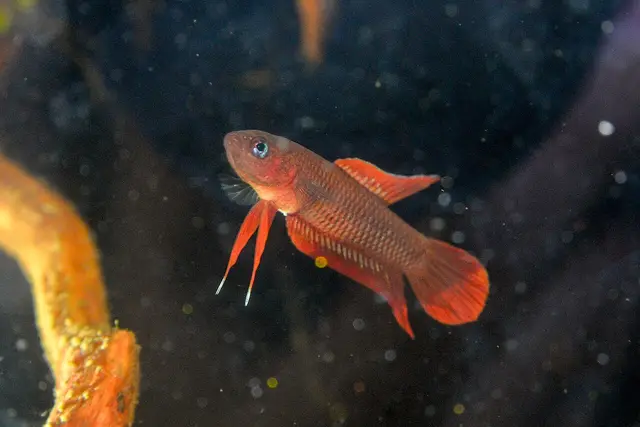
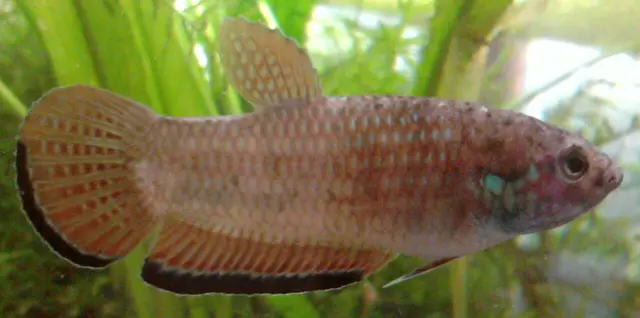
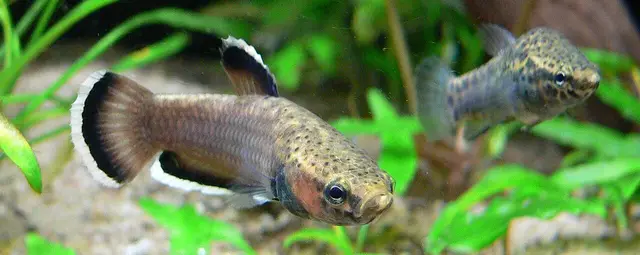
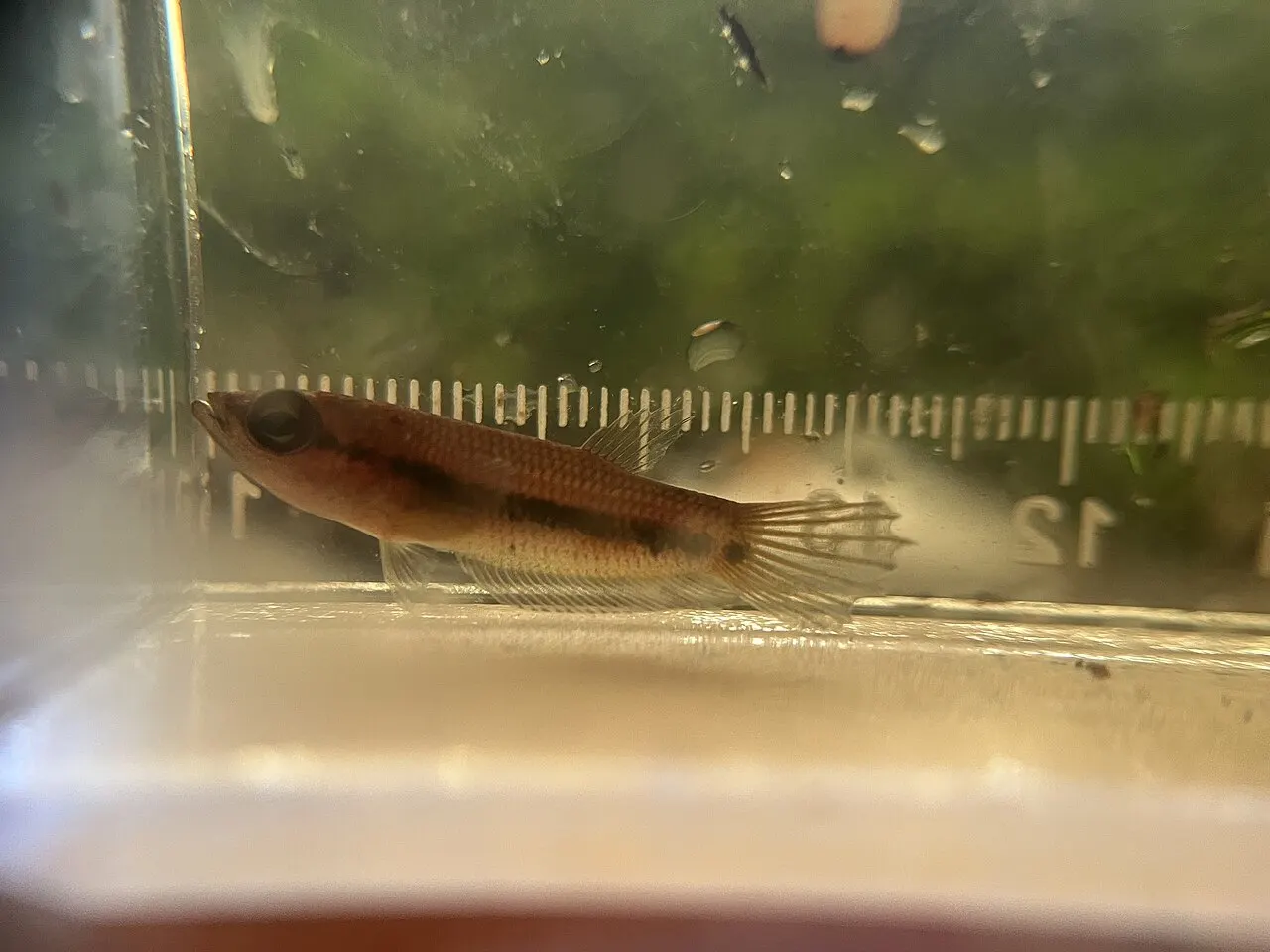
Betta tomi belongs to the Betta waseri group and is a slim fish that grows to about 7 cm in standard length, meaning body length without the tail fin. Betta hobbyist sources say it is identified by stripes on the face, and that males are more intensely coloured than females, with pointed dorsal and anal fins where females have rounder ones.
It belongs to the gourami family Osphronemidae and is a facultative air-breather, able to gulp air at the surface when needed. It was described in 1994 by Ng and Kottelat in the Raffles Bulletin of Zoology. The species name honours Tom Lam Toong Jin of the National University of Singapore.
Where it lives
The fish is known from Johor in Peninsular Malaysia, and FishBase describes it as known only from eastern Johor. The type locality is a freshwater swamp forest along a tributary of the Sungai Mupor. The IUCN assessment counts only two locations and puts the extent of occurrence at about 80 square kilometres.
It was once present in Singapore too. FishBase says it lived there previously, and the IUCN and other sources list it as extirpated there.
Pins are Wikidata “endemic to” fields. Orange dots, when present, are GBIF occurrence tiles — survey bias included.
How it lives
Betta tomi lives in shallow, well-shaded streams with a very soft mud bottom covered in leaf litter and plant debris. The IUCN lists inland swamps, marshes and peatlands as its habitat. It swims in the lower and middle water, in warm tropical conditions.
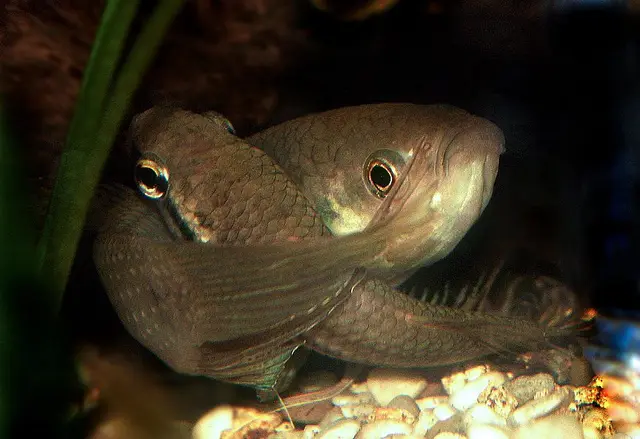
Hobbyist sources report that it is a paternal mouthbrooder, meaning the male carries the eggs and young fry in his mouth. This rests mainly on a betta society species page, so its breeding in the wild is not well documented.
Why it is in trouble
The IUCN assessed Betta tomi as Endangered under criterion B1ab(iii), which describes a small range with habitat quality in decline. The threats it records are agriculture, plantations, housing and urban development, and large-scale unintentional harvest. Their scale and severity are marked as unknown.
The wild population size and trend are both listed as unknown. An earlier IUCN listing in 1996 rated the fish Vulnerable, so its status has worsened since then.
What is being done
The IUCN assessment lists resource and habitat protection, site protection, awareness work and captive breeding under conservation actions. No specific recovery programme is recorded among the actions in place.
Sources
Written for this catalog in our own words from the sources below, checked against them on 12 November 2026. Population figures are estimates and carry the year they were made. Status and assessment year: IUCN. 2026. The IUCN Red List of Threatened Species. Version 2026-1. iucnredlist.org.