Endangered
Betta persephone
Betta persephone
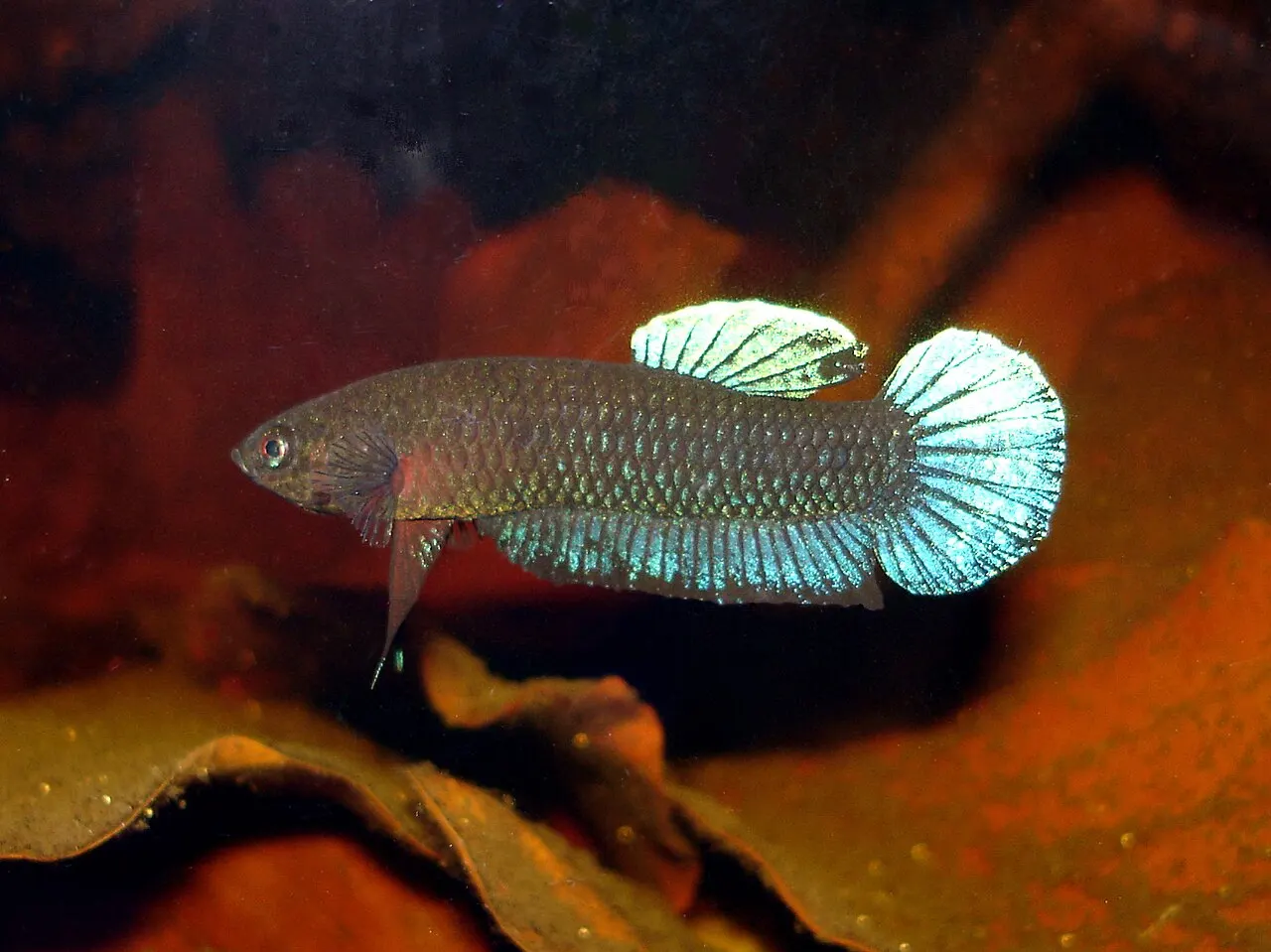
Betta persephone is a tiny blue-black fighting fish from the blackwater peat swamps of Johor, in southern peninsular Malaysia. It is known from only two locations. The IUCN rated it Endangered in 2019. It survives dry spells by burying itself in wet leaf litter, and hobbyists have bred it in captivity.
How to recognise it
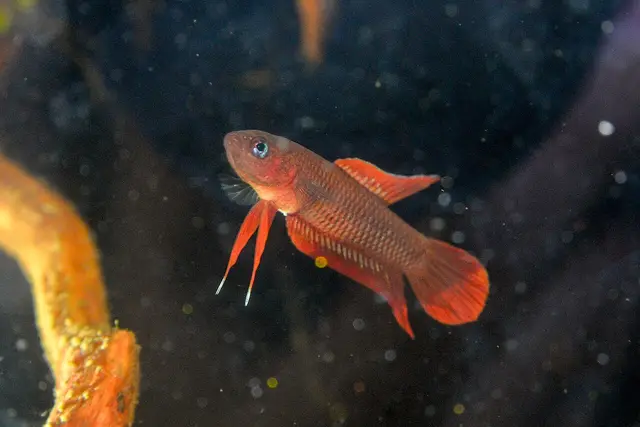
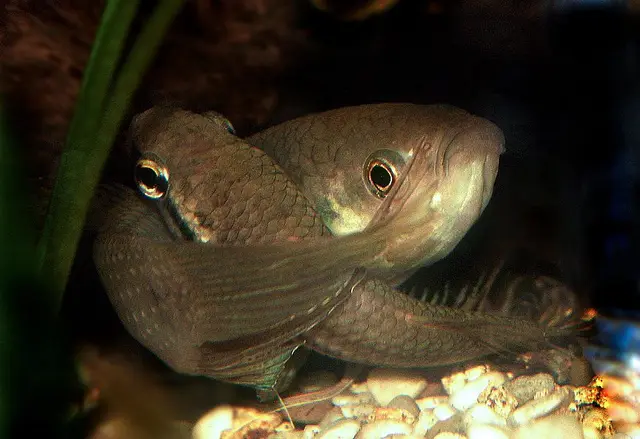
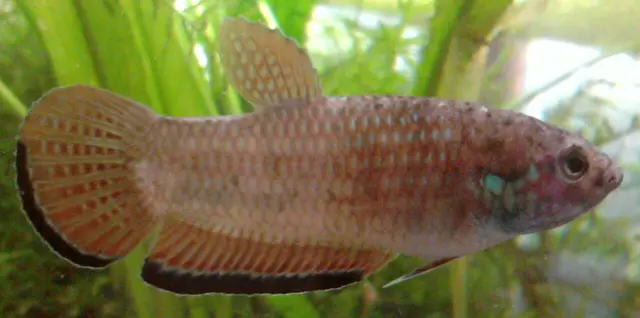
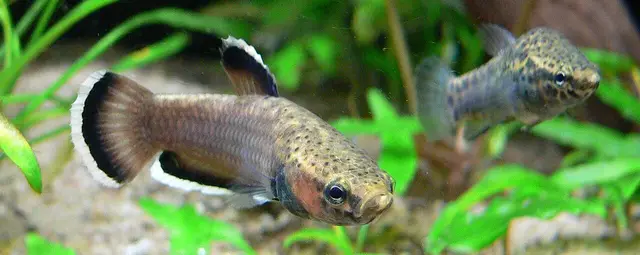
This is a very small labyrinth fish, about 2.6 to 3.5 cm long depending on the source and how it is measured. Males are mostly blue-black and develop longer, more intense fins as they mature. Females are browner. The name refers to Persephone, the Greek queen of the underworld, and its dark colouring. German importer Dietrich Schaller described the species in 1986.
Where it lives
The fish is endemic to Malaysia and known only from Johor. The original specimens came from Ayer Hitam. Aquarium sources place it around Ayer Hitam, Muar and Kluang, and a 2019 news report said its only remaining natural habitat was part of the North Ayer Hitam forest reserve. The same report said three other sites once held it, but streams there dried up after nearby plantations were established. The IUCN counts two locations.
It lives in shaded blackwater streams and peat swamp forest under a closed canopy, among submerged roots and bankside plants. The water is stained brown by plant acids, and it is extremely acidic, with a pH that can fall to about 3 to 4.
Pins are Wikidata “endemic to” fields. Orange dots, when present, are GBIF occurrence tiles — survey bias included.
How it lives
It feeds on small insects and other small invertebrates. When the water dries out, it can survive for several weeks in moist leaf litter. It is a bubble nester. The male builds a floating mass of bubbles, spawning takes place underneath, and he guards the eggs. Clutches are usually under 20 eggs, and eggs hatch within 1 to 3 days.
Why it is in trouble
Peat swamp and forest have been cleared for oil palm and housing. The Red List names agro-industry farming, plantations and urban growth, as well as unintentional harm from harvesting, and notes the area it occupies is still shrinking. The population trend is listed as unknown. A Malaysian Nature Society vice-president told the press in 2019 that streams were being turned into large concrete drains.
Some news reports and aquarium sites call it Critically Endangered, as the Red List did from 1996, but the current assessment, from 2019, is Endangered.
What is being done
In 2020 six friends began a rescue effort after learning the swamp where the fish lived was about to be cleared for oil palm. They took 16 adult pairs from the wild, bred them in shaded boxes, and by March 2022 had released juveniles into a blackwater swamp in the Air Hitam (North) Forest Reserve. One organiser said the original habitat was gone. A pair sold for about RM200, and he expected prices to rise. In 2019, local figures had called for the peat swamp to be gazetted as a reserve.
The fish is delicate and not easy to keep, but captive breeding has worked.
Sources
Written for this catalog in our own words from the sources below, checked against them on 12 November 2026. Population figures are estimates and carry the year they were made. Status and assessment year: IUCN. 2026. The IUCN Red List of Threatened Species. Version 2026-1. iucnredlist.org.