Critically Endangered
Anolis nelsoni
Anolis nelsoni
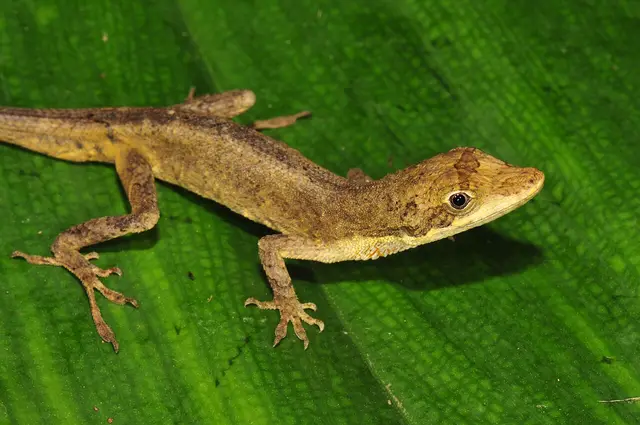
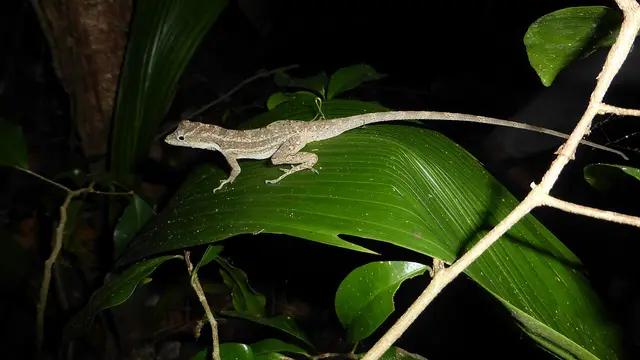
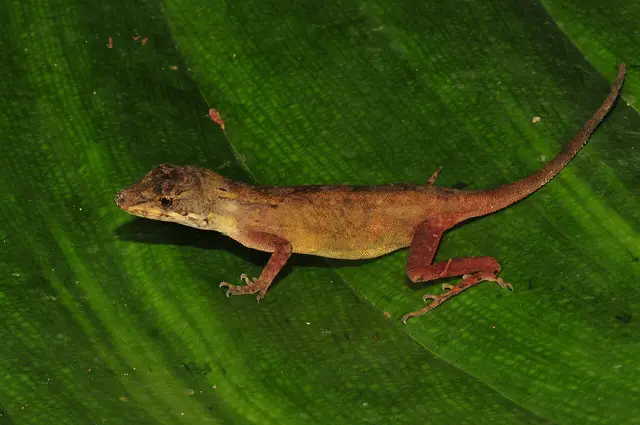
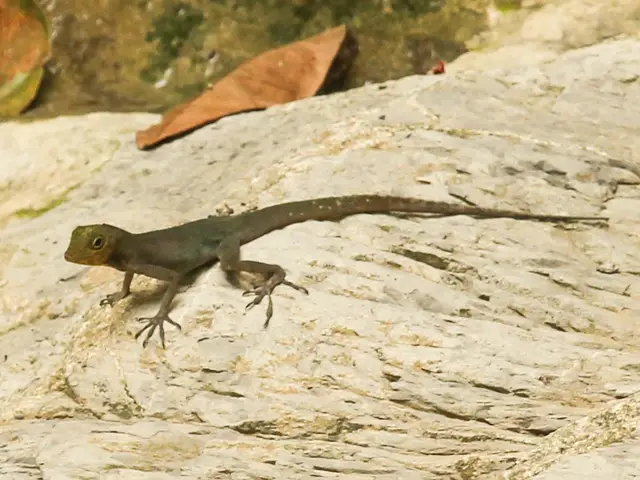
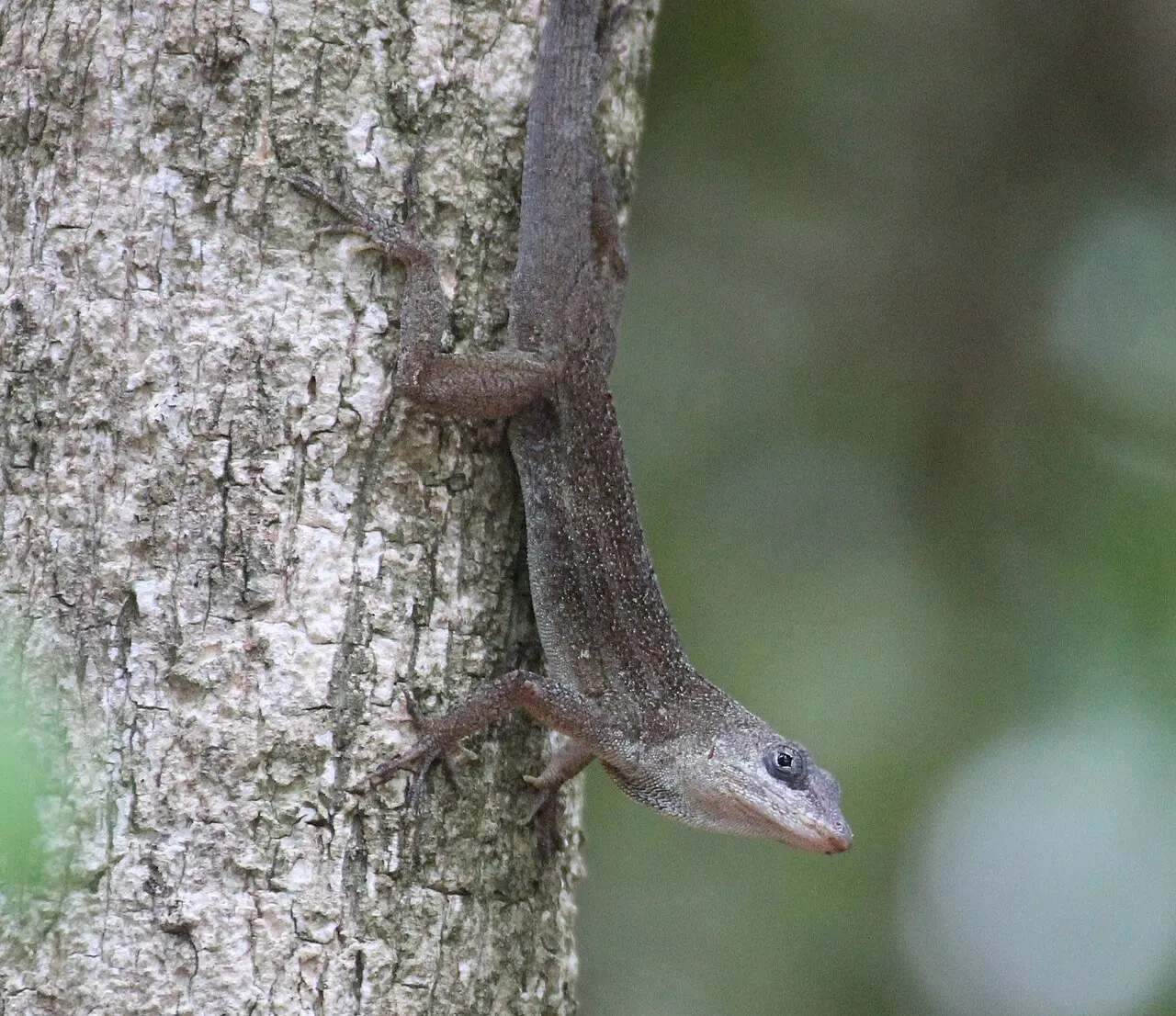
Nelson's anole (Anolis nelsoni), also called the Swan Islands anole, is a lizard found nowhere except the tiny Swan Islands off Honduras. The IUCN Red List rated it Critically Endangered in 2021 because it lives in about 7 square km and is declining. Introduced cats are named as the main threat.
How to recognise it
It's a small anole in the Anolis sagrei group, the brown anoles best known from the Caribbean. Thomas Barbour described it in 1914, and it was later listed for a time as a subspecies of the brown anole before being treated as a full species again. It is named for the American ornithologist Edward Nelson.
A naturalist who watched them on Great Swan Island described them as pale when calm, with males much larger than typical brown anoles and dewlaps that were darker, lacking the usual red and yellow. The lizards were shy around people and almost always fled up into the canopy when threatened.
Where it lives
The Swan Islands are three small islands about 153 km northeast of mainland Honduras. Together they cover only 3.1 square km, and the largest, Great Swan, is about 2 square km. The assessment records the lizard at one location, with an extent of occurrence of roughly 7.4 square km.
It lives in dry subtropical forest between sea level and about 10 m. A naturalist visiting Great Swan found anoles on the beach, in the forest and on buildings, and called them the most abundant animals on the island.
Pins are Wikidata “endemic to” fields. Orange dots, when present, are GBIF occurrence tiles — survey bias included.
How it lives
Males display with a throat fan, the dewlap, though a visiting naturalist saw them do so only rarely. They used broad horizontal perches in the canopy as well as low vertical ones. Its diet is reportedly mainly ants, with other insects, spiders and some plant matter. Little else has been published on its breeding or lifespan.
Why it is in trouble
The Red List criteria reflect a very small range plus a continuing decline. The assessment names introduced feral cats (Felis catus) as an ongoing threat affecting more than 90 percent of the population, though how severe the damage is remains unknown. It also lists other human activity on the islands as a threat of unknown scope.
No population count is given. The 2021 assessment lists the trend as decreasing, even though observers have still described the lizards as common where they live.
What is being done
The assessment records no conservation measures in place. It lists control of invasive species, meaning the cats, as the action needed, along with research on population size, distribution and trends and on the threats. The islands were reportedly declared a protected wildlife refuge in 1989 and are part of an Important Bird Area, but no cat control is documented.
Sources
Written for this catalog in our own words from the sources below, checked against them on 12 November 2026. Population figures are estimates and carry the year they were made. Status and assessment year: IUCN. 2026. The IUCN Red List of Threatened Species. Version 2026-1. iucnredlist.org.