Endangered
Anolis cooki
Anolis cooki
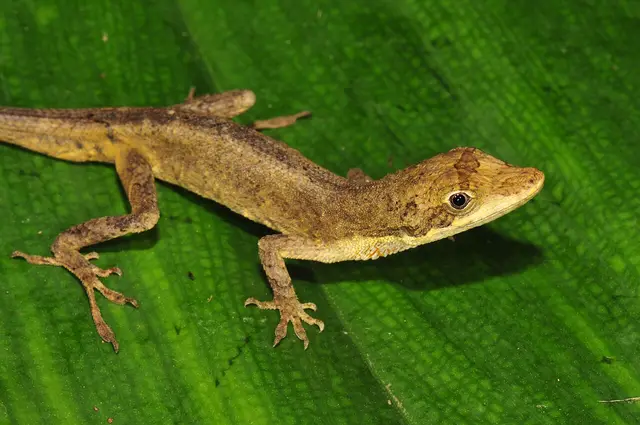
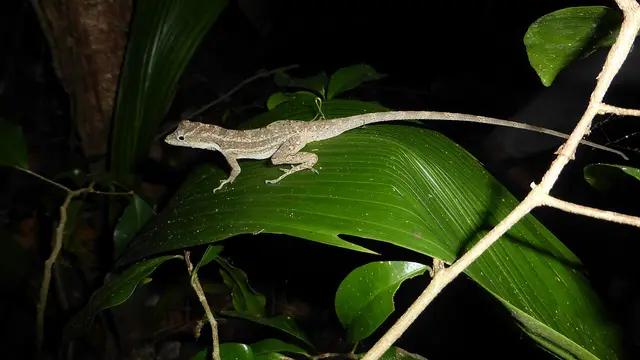
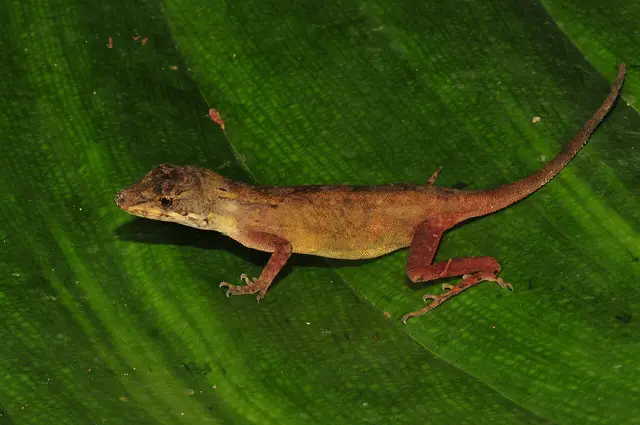
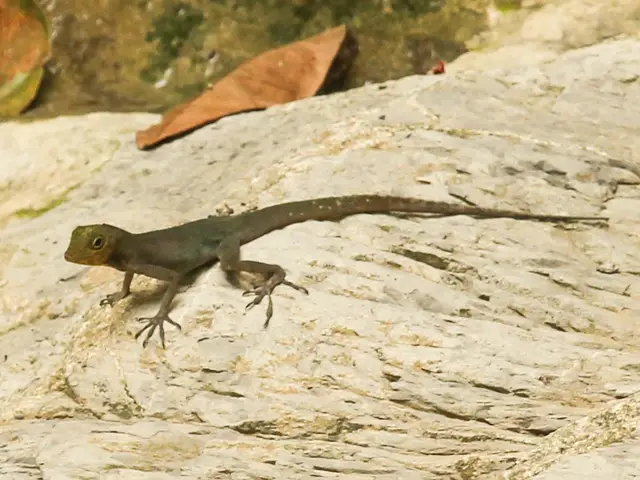
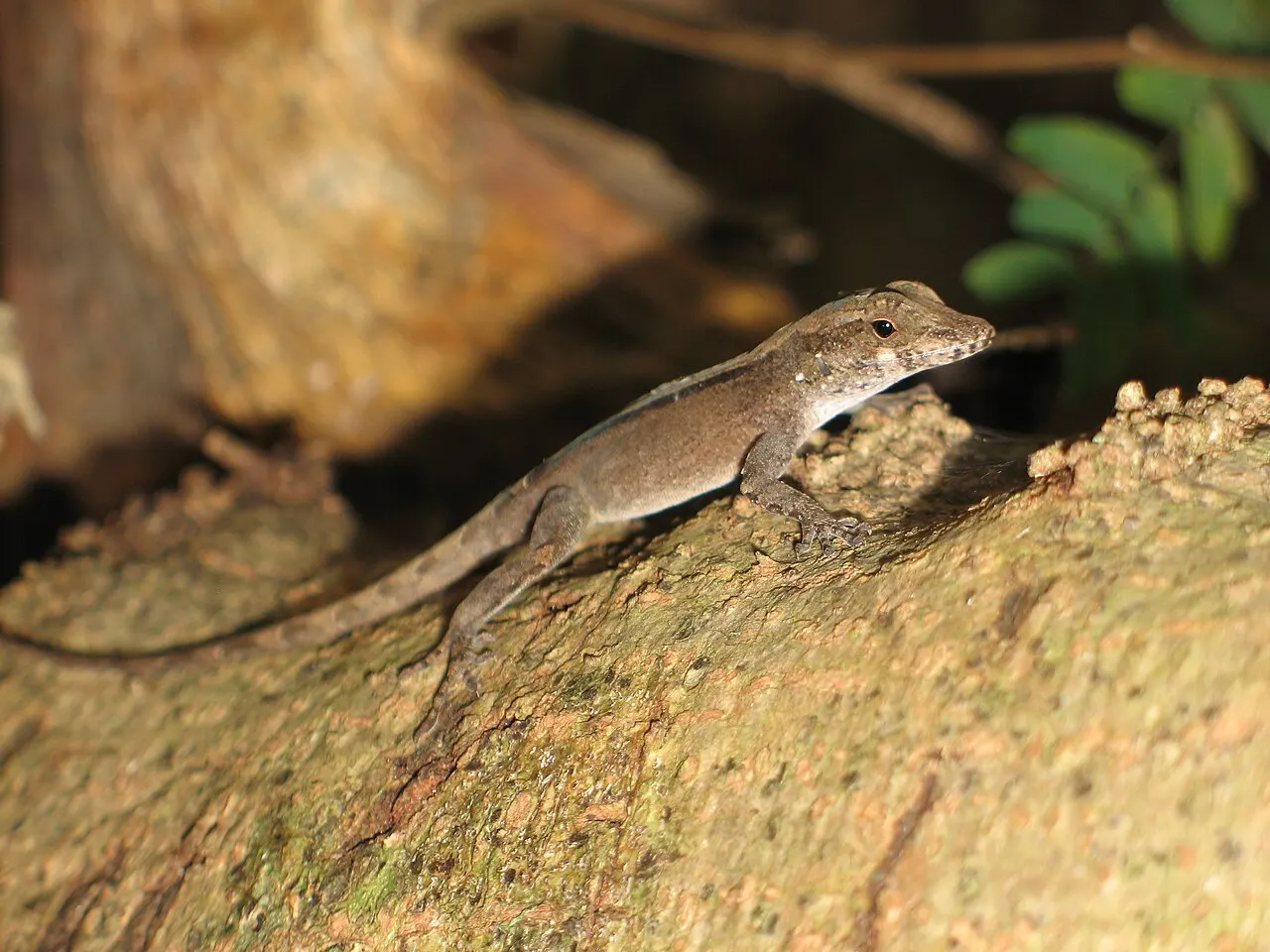
Cook's anole (Anolis cooki), also called the Guanica pallid anole, is a lizard found only in the dry southwest of Puerto Rico. The IUCN Red List rated it Endangered in 2021. It likes sunny, open perches in low-lying dry forest, and the places it survives are few and scattered.
How to recognise it
Cook's anole is a medium-sized anole. Males reportedly reach about 7 cm from snout to vent, and females stay smaller, at around 6 cm. It belongs to the trunk-ground group of anoles, the same group as the crested anole, with which it shares part of its range.
Cook's anole was first described in 1931 as a subspecies of the crested anole (Anolis cristatellus). It was raised to a full species in 1966.
Where it lives
The species is endemic to Puerto Rico, which means it occurs nowhere else. It is known from the southwest of the main island and from the small island of Caja de Muertos. The original specimen came from Punta Brea in the southwest. It lives from sea level up to about 100 m.
The Red List records subtropical and tropical dry forest as its habitat, and also lists introduced vegetation and rural gardens. It counts 5 to 10 separate locations and describes the population as severely fragmented. At least one location lies inside a protected area.
Pins are Wikidata “endemic to” fields. Orange dots, when present, are GBIF occurrence tiles — survey bias included.
How it lives
Cook's anole is a sun lover. A 1976 study in the journal Ecology compared three Puerto Rican anoles and found that Cook's anole ran the warmest body temperatures of the three, living in sunny, dry lowlands where it often basks. It lays eggs.
Where the two species share a patch, they use it differently. A 2002 study in Proceedings of the Royal Society B by Manuel Leal and Leo Fleishman found that Cook's anole perches in more open spots with less vegetation, in light that is brighter and includes plenty of ultraviolet. The crested anole is found more in vegetated areas, where the light peaks in the green part of the spectrum.
Why it is in trouble
The Red List lists commercial and industrial development and housing and urban growth among the threats, records that the area the species occupies is still shrinking, and gives the population trend as decreasing. No population count exists, so nobody can say how many animals are left.
A lizard tied to dry forest in a small part of one island has little room to give. Its range is already split into pieces, so each patch lost to building or other development matters.
What is being done
Protection so far rests mostly on land set aside. The Red List notes that the species occurs in at least one protected area and lists site and area management among its conservation actions. No species-specific recovery program is described.
Sources
Written for this catalog in our own words from the sources below, checked against them on 12 November 2026. Population figures are estimates and carry the year they were made. Status and assessment year: IUCN. 2026. The IUCN Red List of Threatened Species. Version 2026-1. iucnredlist.org.