Endangered
Alsodes verrucosus
Alsodes verrucosus
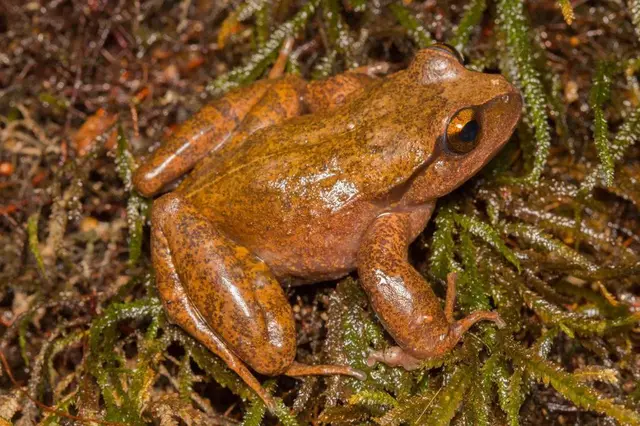
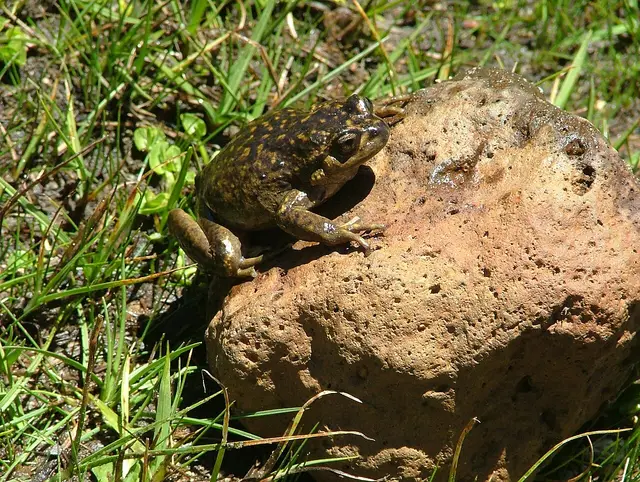
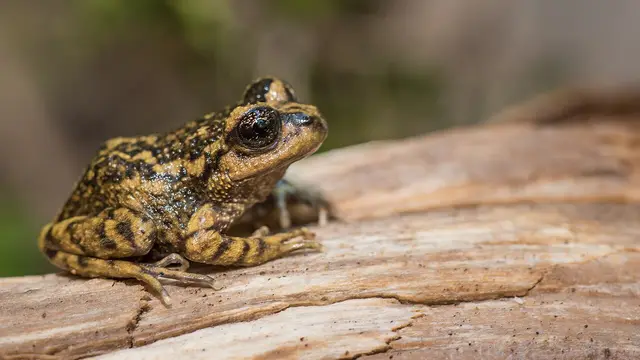
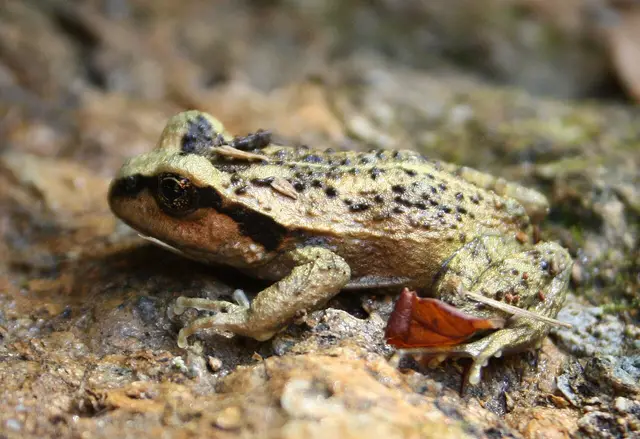
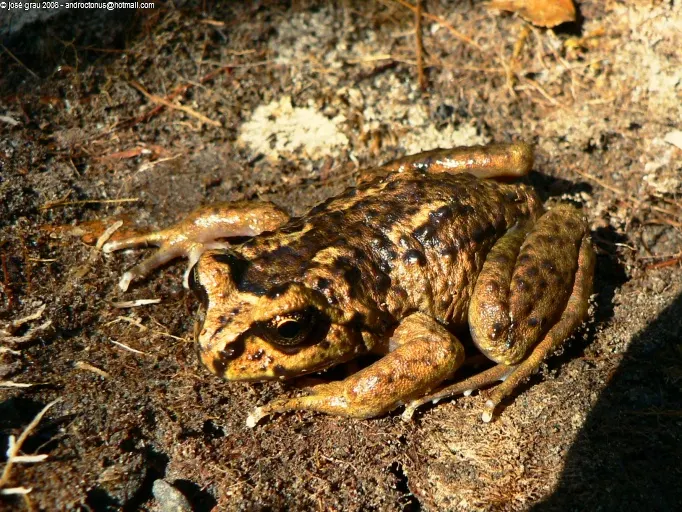
The olive spiny-chest frog (Alsodes verrucosus) lives in the temperate forests of the southern Andes, mainly in Chile, with Argentina also listed by the IUCN. The Red List rated it Endangered in 2019, and its population is decreasing. Its tadpoles reportedly grow in cold, deep streams.
What kind of frog it is
Alsodes verrucosus belongs to the family Alsodidae, a group of frogs from southern South America. Rodolfo Philippi described it in 1902, and it now sits in the genus Alsodes. Its English name is the olive spiny-chest frog. A 2019 paper in the journal Check List, reporting a new locality, carries the title "a new locality for a very poorly known species".
Where it lives
The frog is tied to cool, wet forest. The IUCN lists temperate and subantarctic forest as its habitat, along with permanent streams and rivers. Adults are reported to shelter under logs and near damp ground in southern beech (Nothofagus) forest, and the tadpoles reportedly develop in cold, deep streams.
Records come from between about 500 and 1,000 metres above sea level. In Chile the species is known from the Andes of Cautín and Puyehue, and the IUCN lists Los Lagos Region among its areas. Argentina is also listed, and reports from Neuquén and Río Negro provinces have been published. The IUCN puts the extent of occurrence at roughly 4,700 square kilometres but counts only two locations. The frog does not migrate.
Pins are Wikidata “endemic to” fields. Orange dots, when present, are GBIF occurrence tiles — survey bias included.
Why it is in trouble
The Endangered rating rests on criterion B1ab(iii): a small range, few locations and shrinking habitat. The assessors recorded the area of habitat as still declining and the population trend as decreasing, though they judged the population not severely fragmented.
Small dams on streams are listed as an ongoing pressure, which matters for a frog whose tadpoles reportedly need cold, deep water. Habitat loss from logging is also reported as a threat, since it removes the native forest the frog lives in. No population counts have been published, and the 2019 Check List paper's title describes the species as very poorly known.
What is being done
The IUCN records the frog in at least one protected area. It has reportedly been found in Puyehue National Park in Chile. The 2019 assessment lists no recovery plan, captive population or dedicated conservation action for the species.
Sources
Written for this catalog in our own words from the sources below, checked against them on 12 November 2026. Population figures are estimates and carry the year they were made. Status and assessment year: IUCN. 2026. The IUCN Red List of Threatened Species. Version 2026-1. iucnredlist.org.