Critically Endangered
Achatinella vulpina
Achatinella vulpina
Achatinella vulpina is a Hawaiian tree snail from the island of Oahu, with a glossy shell about 19 mm tall in variable shades of yellow, green and chestnut. The Red List assessed it as Critically Endangered in 1996, and its latest dated field records are from the 1960s, so it may already be extinct.
How to recognise it
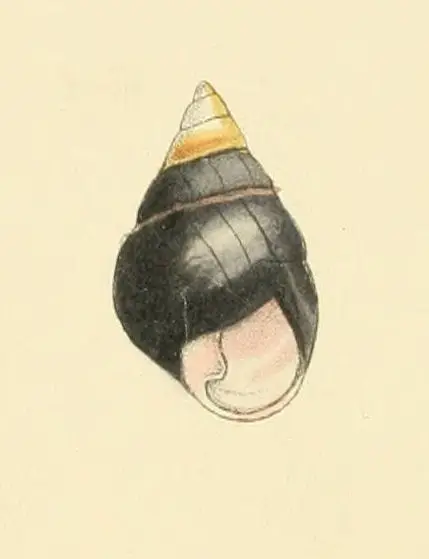
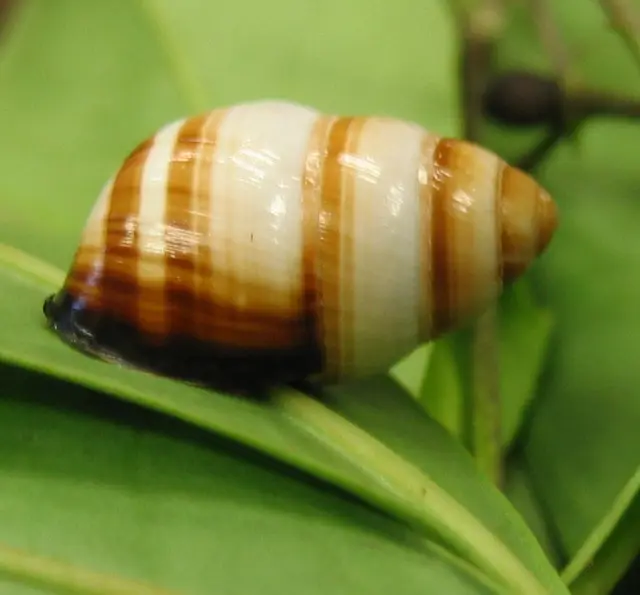
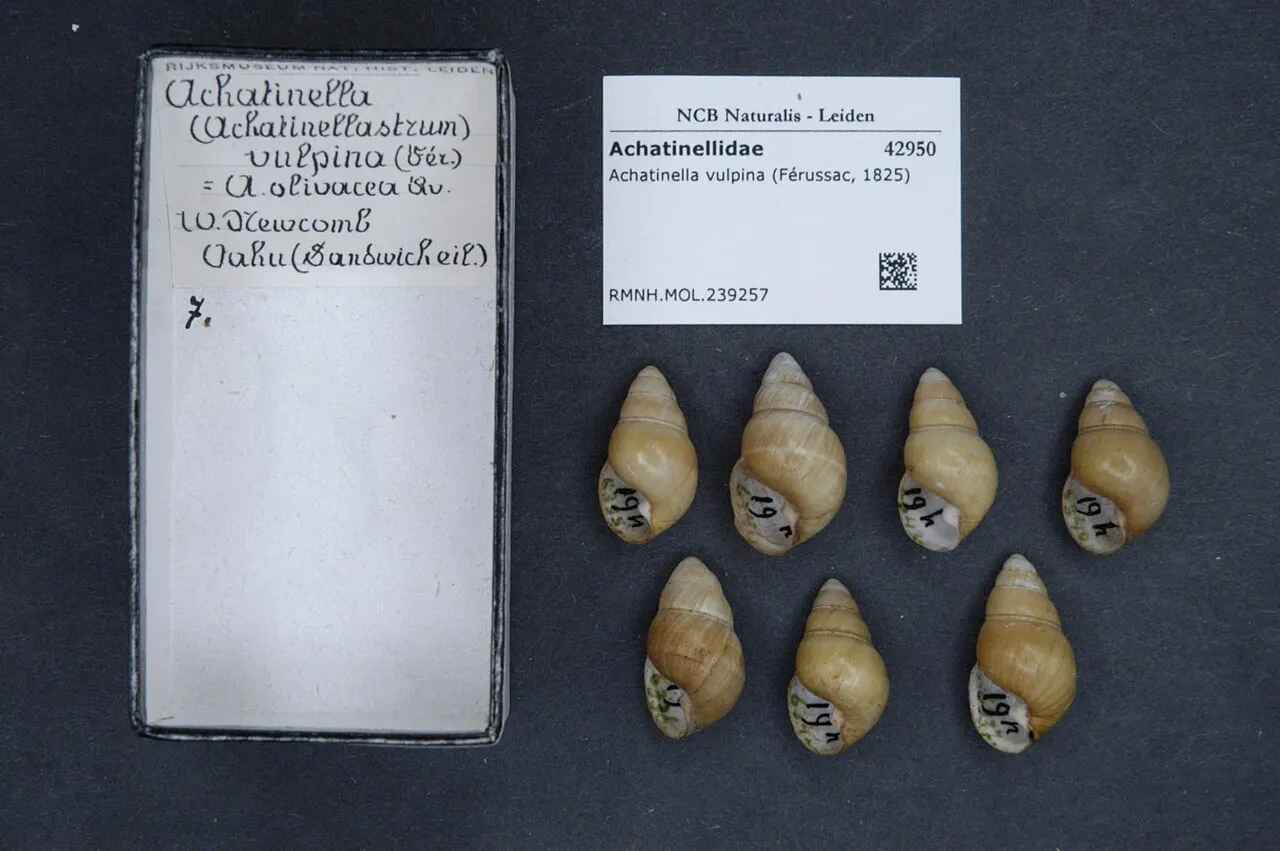
The shell is ovate and conical, around 19 mm high and 10 mm wide, with about six and a quarter whorls. It is glossy, and colour varies enormously: yellow, green, olive or chestnut, often with green or chestnut bands. Shells can coil either to the right or to the left.
Shells of this snail were reportedly strung into lei. Tree snails of the genus Achatinella were known in Hawaiian tradition as the singing shell.
Where it lives
The species is found only on Oahu. Museum specimens, the main evidence for where it lived, were collected in valleys and on ridges including Nuuanu, Pauoa, Halawa, Kalihi and Moanalua, and along ridges of the Koolau Mountains.
For the genus as a whole, snails live in trees in mountain forest and shrubland, and most individuals stay on one tree for life. Where A. vulpina itself lived within that habitat is not documented.
Pins are Wikidata “endemic to” fields. Orange dots, when present, are GBIF occurrence tiles — survey bias included.
How it lives
Little has been written about this species itself, so what follows describes the genus. Oahu tree snails are active at night and graze fungus growing on the leaves of native trees and shrubs. They are hermaphrodites and give birth to live young, usually one to four a year. They mature at about 5 to 7 years and live roughly 11 years.
A. vulpina is presumed to follow the same pattern, but no study has confirmed it.
Why it is in trouble
The global biodiversity database GBIF holds more than 2,700 records for the species, 2,692 of them preserved museum specimens, the oldest from 1861. Field observations from the NatureServe network run to 1965, and the latest specimen records date from 1968 and 1986. NatureServe reportedly lists the species as possibly extinct, and a 2019 study of Endangered Species Act listings counted it among species that are extinct or possibly extinct.
For the genus as a whole, the main causes of loss were the rosy wolfsnail, a predatory snail brought to Hawaii to control African snails, along with rats, habitat damage from non-native plants and heavy collecting for shell jewellery. The 1996 assessment for this species, made under an older Red List system, gives no population trend or threat detail.
What is being done
All 41 species of Achatinella, this one included, are federally listed as endangered in the United States, and the genus was listed in 1981. A. vulpina is also reported to be on Appendix I of CITES, which prohibits international commercial trade.
Captive breeding and predator control on Oahu are aimed at the surviving Achatinella species. A 2008 Army article reported roughly 1,400 snails held in captivity, but it does not mention A. vulpina.
Sources
Written for this catalog in our own words from the sources below, checked against them on 12 November 2026. Population figures are estimates and carry the year they were made. Status and assessment year: IUCN. 2026. The IUCN Red List of Threatened Species. Version 2026-1. iucnredlist.org.