Critically Endangered
Achatinella viridans
Achatinella viridans
Achatinella viridans is a green-shelled Oahu tree snail that lived on the southern Koolau Mountains of Hawaii. The IUCN Red List assessed it as Critically Endangered in 1996. It was last sighted in 1979, and Army surveys of its old range between 2001 and 2009 found no living snails or shells. It may be extinct.
How to recognise it
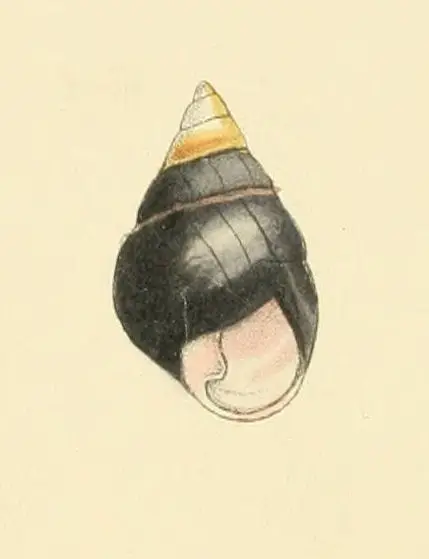
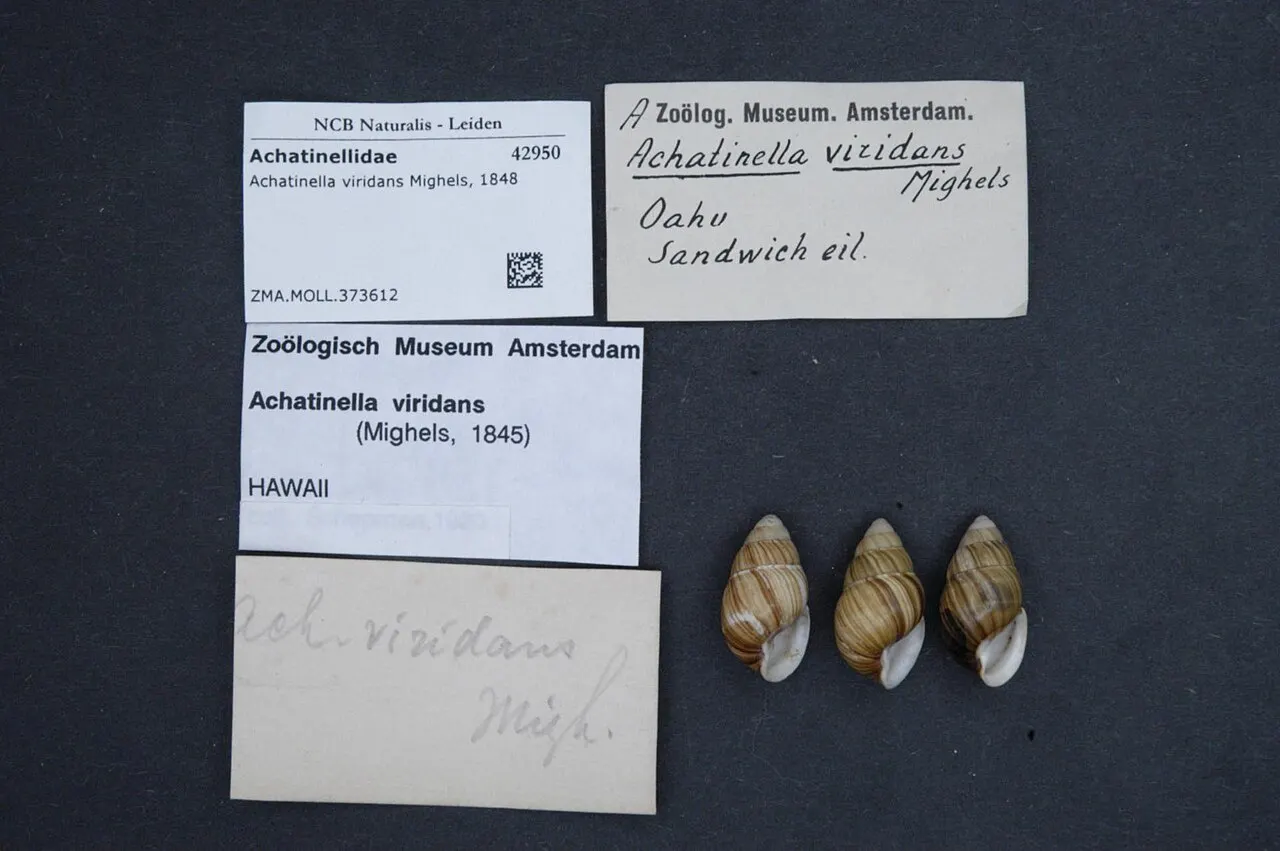
The shell is right-coiling (dextral) and elongate, shaped like a cone, with five whorls. It is green with lighter streaks, and the opening is stained pink just inside the lip. It stands about 19.2 mm tall and 12 mm wide. Jesse Mighels described the species in 1845.
Where it lived
Every Achatinella is native only to Oahu, and this one was recorded from the leeward slopes of the southern Koolau Mountains. Survey reports gave no habitat detail for it.
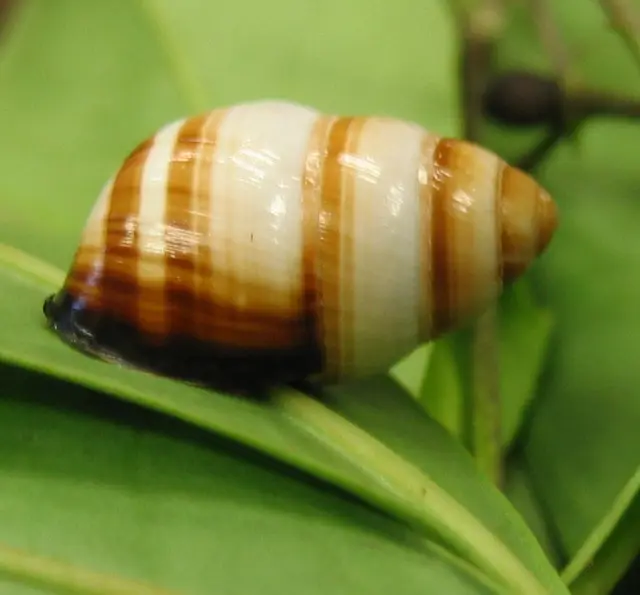
The genus as a whole lives in mountain forest and shrubland above about 400 m. Its members live in trees and feed at night on fungus growing on leaves. They give birth to live young, one to four a year per adult, and reach breeding age at five to seven years.
Pins are Wikidata “endemic to” fields. Orange dots, when present, are GBIF occurrence tiles — survey bias included.
What happened to it
A 2011 federal review reported that the snail had not been seen since 1979. The last sighting was above Wailupe Valley and on Wiliwilinui Ridge. Army and consultant surveys in its historical range in several years between 2001 and 2009 found no living snails and no empty shells. The species was never held in captivity.
The threats that have pushed other Oahu tree snails to the edge applied here too. The introduced rosy wolf snail eats snails of every size, rats crush the larger ones, and feral pigs and goats help invasive plants spread through the forest. Illegal shell collecting was also listed as a continuing threat.
What its status means
The IUCN assessment dates from 1996, before those surveys, and still reads Critically Endangered. NatureServe, a US conservation data network, reportedly lists the species as possibly extinct, and one extinction database lists it as missing with a last record in 1979.
A 2024 US Fish and Wildlife Service review names ten Achatinella species known to survive, and viridans is not among them. All Oahu tree snails remain under the US Endangered Species Act and CITES Appendix I.
Sources
Written for this catalog in our own words from the sources below, checked against them on 12 November 2026. Population figures are estimates and carry the year they were made. Status and assessment year: IUCN. 2026. The IUCN Red List of Threatened Species. Version 2026-1. iucnredlist.org.