Critically Endangered
Achatinella swiftii
Achatinella swiftii
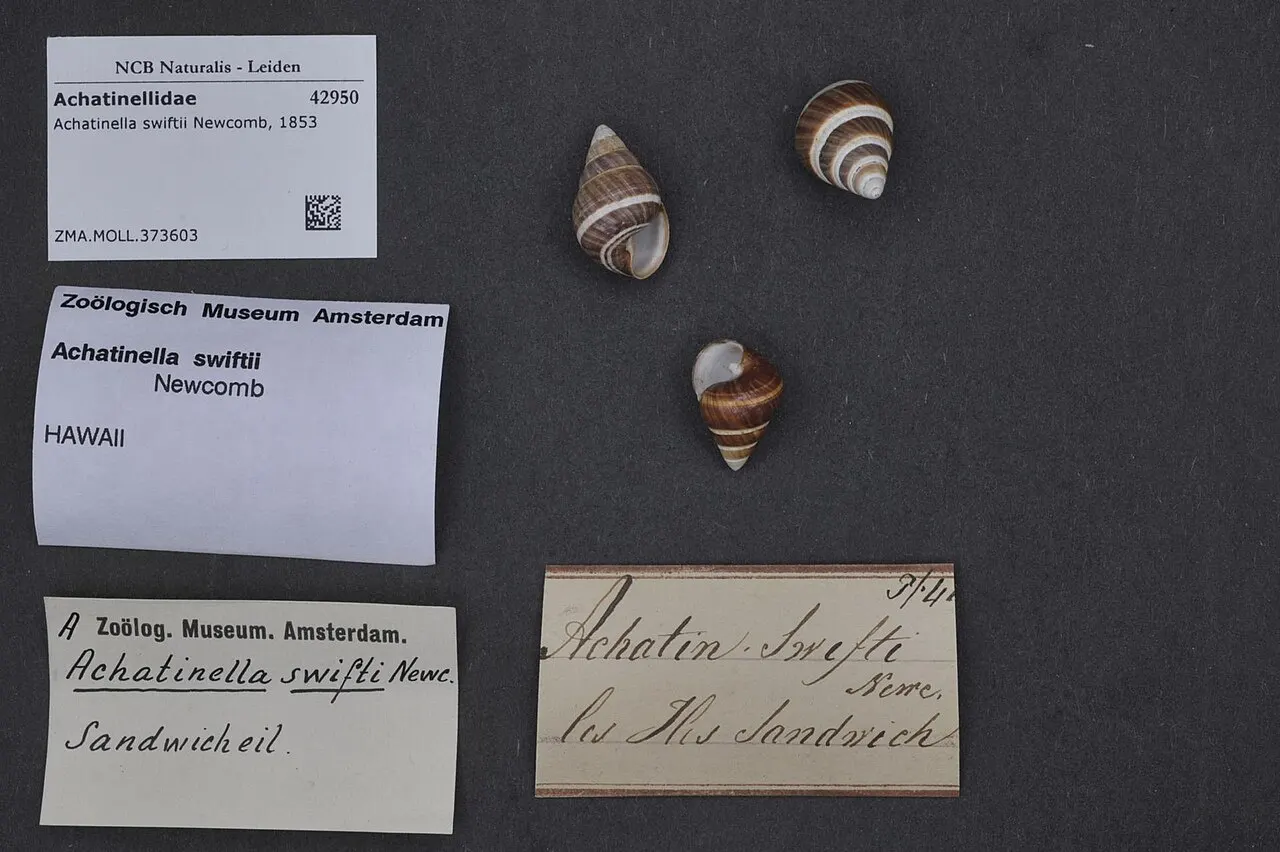
Swift's Oahu tree snail (Achatinella swiftii) is a Hawaiian tree snail named by Wesley Newcomb in the 1850s. The IUCN Red List rated it Critically Endangered in 1996, though current checklists treat the name as a synonym of Achatinella turgida. A listing of recently extinct species gives its last record as 1976.
How to recognise it
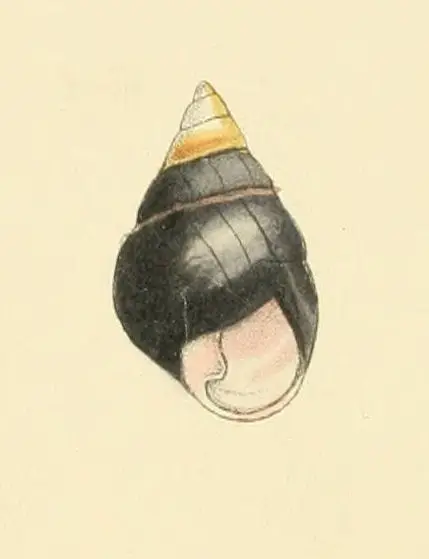
Newcomb described the snail in 1854 (some references give 1853). Current checklists treat the name as a junior synonym of Achatinella turgida, so the shell description that survives is the one for that species. The shell is swollen and tapers to a sharp point, with a smooth, highly polished surface. It can coil to the left or to the right.
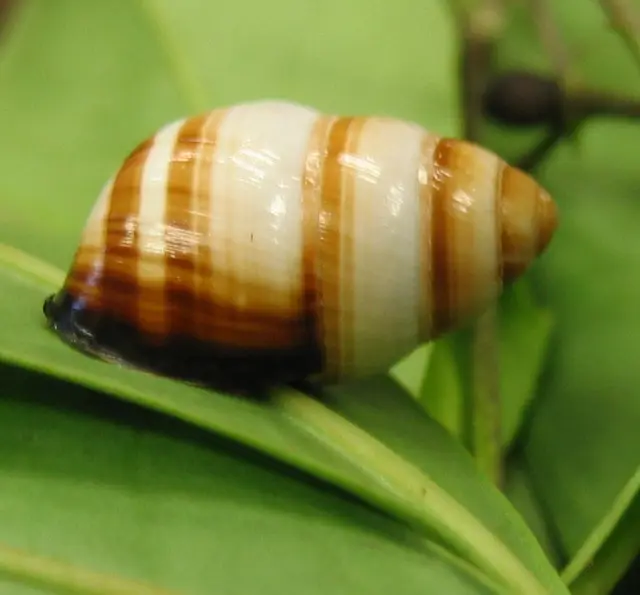
Colour varies widely. The ground colour may be white, yellow or black, marked with zigzag lines, bands or blotches. The opening is roughly egg-shaped, and the central column of the shell ends in a strong cone-shaped knob, sometimes tinged pink or brown.
Where it lives
Achatinella snails are native to the Hawaiian island of Oahu and found nowhere else. The IUCN record for this name gives only the Hawaiian Islands as its range. The Recently Extinct Species database places it on Oahu, gives its last record as 1976 and marks its status as missing.
Pins are Wikidata “endemic to” fields. Orange dots, when present, are GBIF occurrence tiles — survey bias included.
How the genus lives
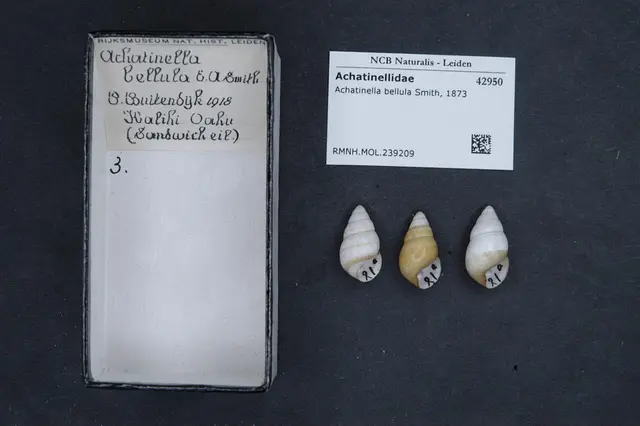
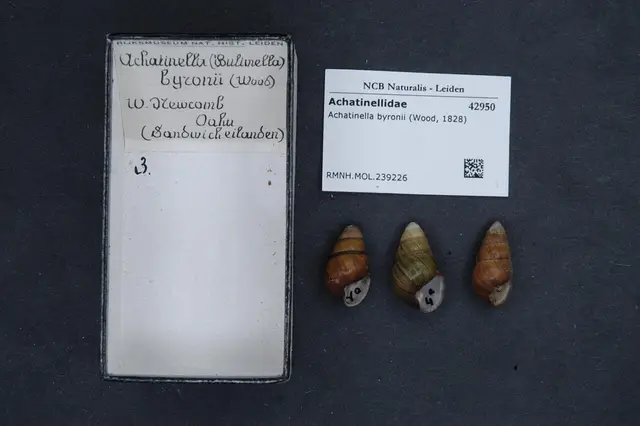
Little is recorded about this snail alone, but its relatives share a way of life. Oahu's tree snails live in mountain forest, and most spend their whole lives on a single tree. They are active at night and graze the fungus and film of microbes growing on leaf surfaces. They grow slowly, mature late and have few young, which makes losses slow to repair. Shells in the genus are about 1 to 2 cm long.
Why it is in trouble
The 1996 Red List entry for this name carries no threat data. For the genus, though, the causes are well documented. The main dangers are the rosy wolfsnail (Euglandina rosea), a predatory snail introduced to Hawaii, introduced rats, and invasive plants that have altered upland forest. Jackson's chameleons and the New Guinea flatworm also prey on tree snails.
The category itself is old. It uses version 2.3 of the Red List system, with criteria A1ce and B1+2abcde. NatureServe reportedly lists the accepted name, Achatinella turgida, as presumed extinct.
What is being done
The genus is on CITES Appendix I, and the surviving Achatinella species are listed as endangered under US federal law. Hawaii's Department of Land and Natural Resources runs a captive breeding programme, with snails kept in a state lab, at the Bishop Museum and at the Honolulu Zoo, and the state runs fenced enclosures where snails can be released. That work is aimed at surviving species, and nothing indicates this one is part of it.
Sources
Written for this catalog in our own words from the sources below, checked against them on 12 November 2026. Population figures are estimates and carry the year they were made. Status and assessment year: IUCN. 2026. The IUCN Red List of Threatened Species. Version 2026-1. iucnredlist.org.