Critically Endangered
Achatinella stewartii
Achatinella stewartii
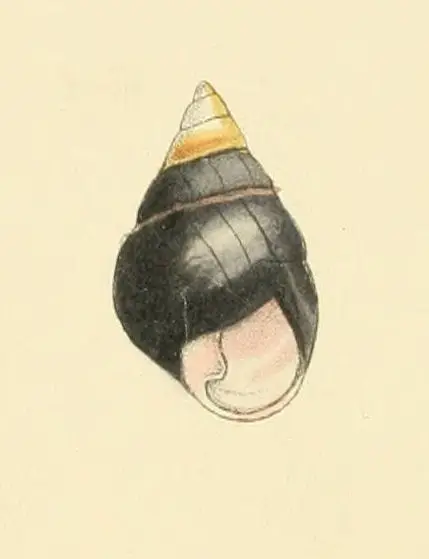
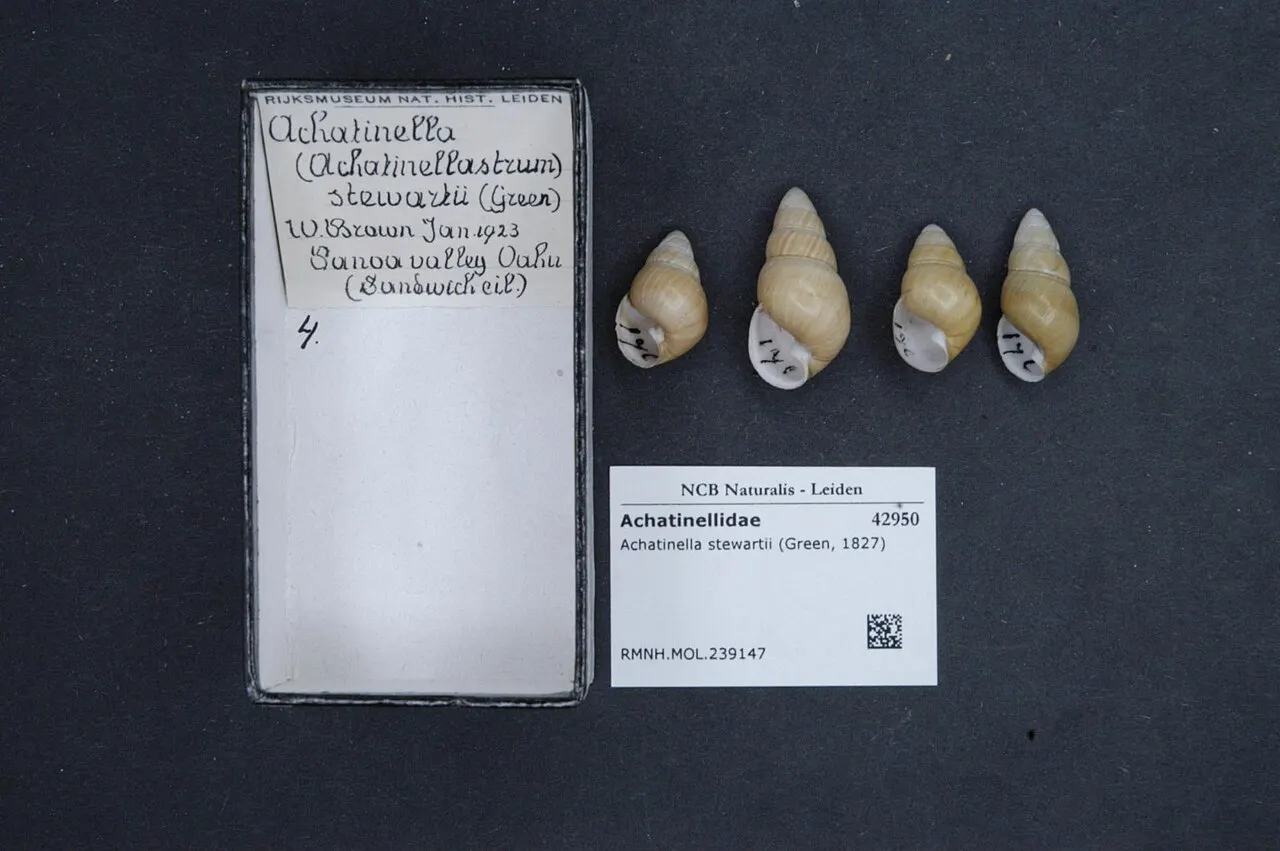
Achatinella stewartii is a small tree snail from the island of Oahu, Hawaii, described in 1827. The IUCN Red List placed it in the Critically Endangered category in 1996. No recent verified sighting has been published, and other lists treat it as extinct or possibly extinct.
A snail with an uncertain fate
Stewart's Oahu tree snail was named by the naturalist Green in 1827. It is the type species of Achatinellastrum, one of three subgenera in the genus Achatinella, so it anchors a whole branch of the family tree. It is found nowhere but Oahu.
Its status depends on the list. The 1996 IUCN assessment, based on criteria A1ce and B1+2abcde, lists it as Critically Endangered and does not flag it as possibly extinct. The World Conservation Monitoring Centre's 1992 listing instead calls it extinct, with a last record in 1961. NatureServe, the North American heritage network, reportedly tags it as possibly extinct. No recent, verified population count has been published.
What the genus tells us about it
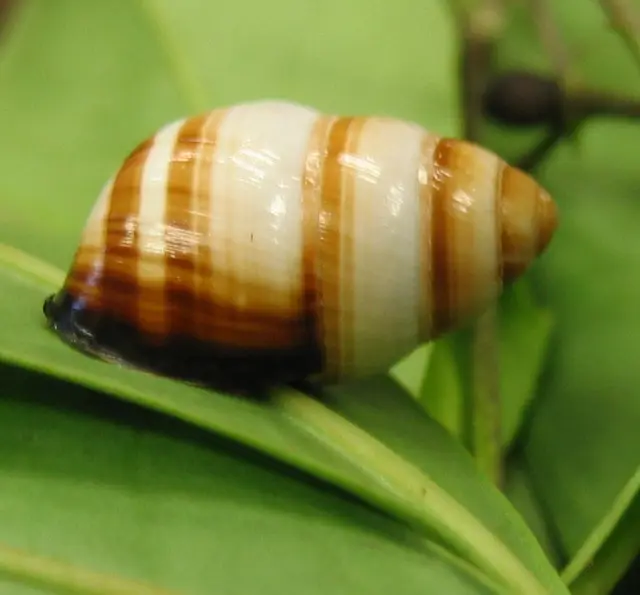
Very little has been written about this species on its own, so the best guide is its genus. Oahu's Achatinella snails have glossy, mostly smooth shells that average about 1.9 centimetres long, in colours that include yellow, red, green and black. Many coil to the left. They live in trees in native mountain forest, usually above roughly 300 to 400 metres, and most individuals spend their whole lives on a single tree.
They graze at night on fungi and algae growing on leaf surfaces. They are hermaphrodites that give birth to live young, usually one at a time. Growth is slow, about 2 millimetres a year, and a snail may take six or seven years to mature. That pace leaves a population little room to recover from losses.
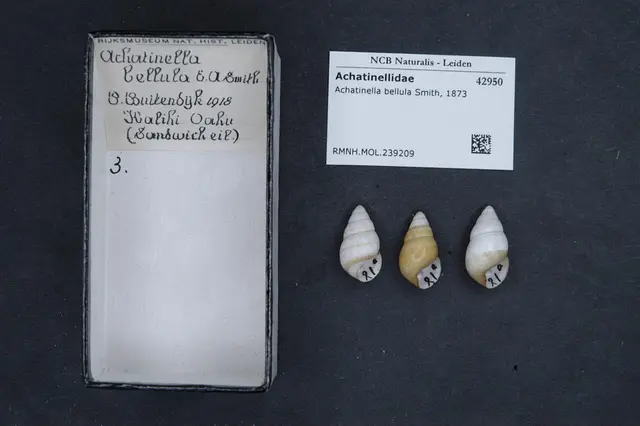
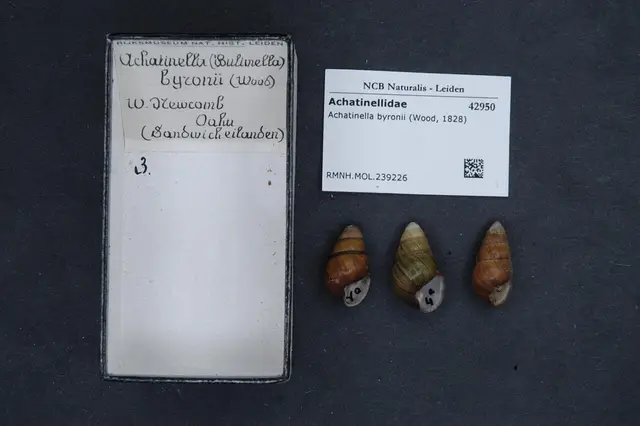
Achatinellastrum, the subgenus Stewart's snail represents, is the most widely spread of the genus's three subgenera. A snail called Achatinella byronii is listed as a possible synonym of A. stewartii.
Pins are Wikidata “endemic to” fields. Orange dots, when present, are GBIF occurrence tiles — survey bias included.
Why the genus is in trouble
Of the 41 species of Achatinella once recorded on Oahu, only a minority survive, and published counts range from about 9 to 19. All survivors are federally listed as endangered in the United States.
A leading killer is the rosy wolfsnail, Euglandina rosea, a predatory snail brought from Florida in 1955 to control the giant African snail. Rats, Jackson's chameleons and a predatory flatworm also take snails. Collecting, including past demand for shell lei, hurt them, and invasive plants have degraded their forest habitat.
The last known Achatinella apexfulva, a snail called George, died in captivity on 1 January 2019 after about 14 years in a lab. A pathogen of unknown origin had killed the rest of its group. Conservation teams on Oahu now rely on predator-proof fences, predator control and captive breeding for the species that remain.
Sources
Written for this catalog in our own words from the sources below, checked against them on 12 November 2026. Population figures are estimates and carry the year they were made. Status and assessment year: IUCN. 2026. The IUCN Red List of Threatened Species. Version 2026-1. iucnredlist.org.