Critically Endangered
Achatinella cestus
Achatinella cestus
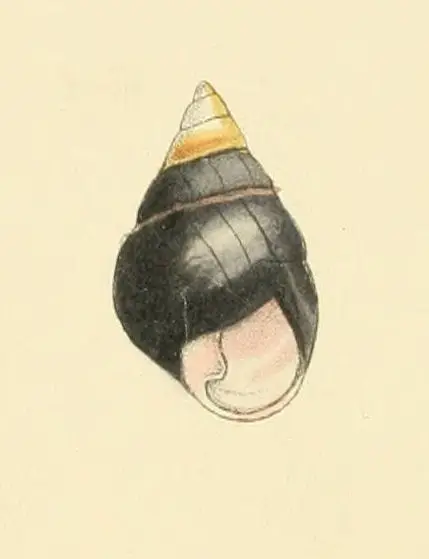
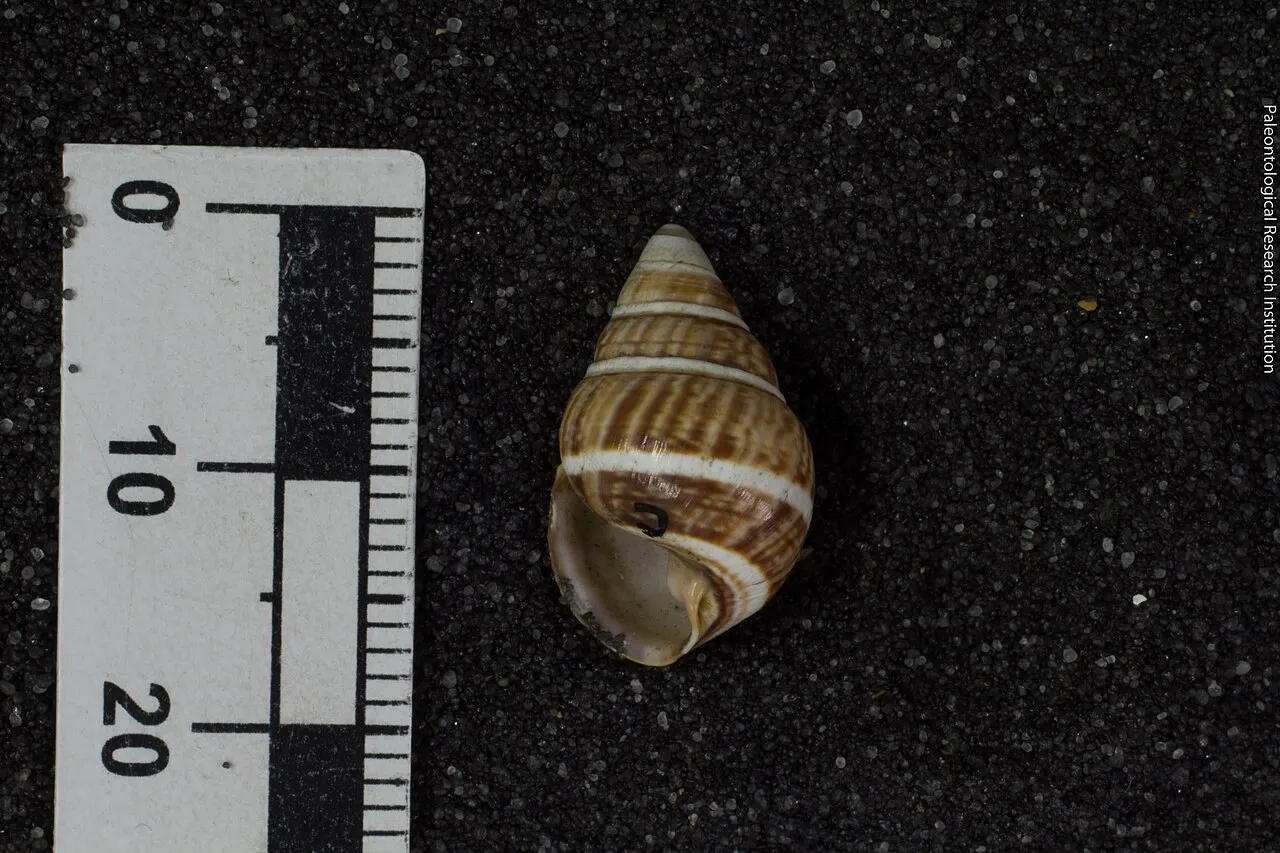
Achatinella cestus is a small tree snail from the mountain forests of Oahu, Hawaii. The IUCN Red List has rated it Critically Endangered since a 1996 assessment, but its last dated record is from 1966. Some authorities treat it as a subspecies of Achatinella apexfulva.
What it is
Achatinella cestus was described by Newcomb in the early 1850s. Its standing as a species is not settled. The IUCN lists it in its own right, while other references class it as a subspecies of Achatinella apexfulva, the type species of the genus. Older names such as Achatinella forbesiana appear among its synonyms.
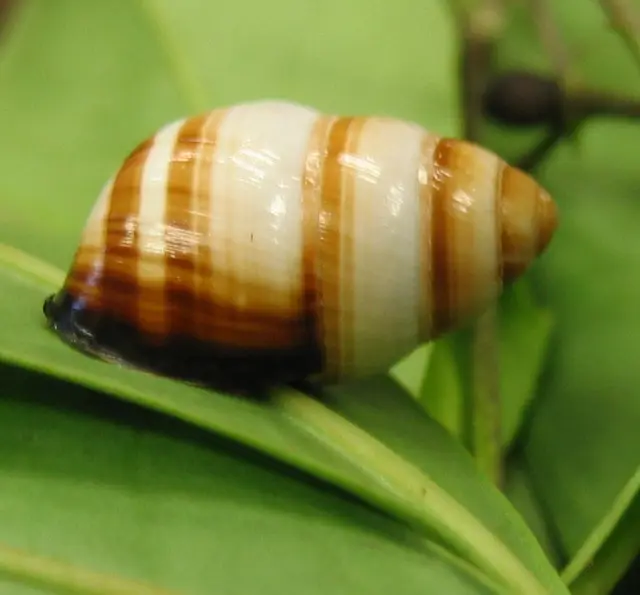
Newcomb described a solid, swollen shell with six whorls and a deep black tip. Oahu tree snails in general are small, with smooth, glossy shells that average about 19 millimetres (three quarters of an inch) long and vary widely in colour and pattern.
Where it lives
The species belongs to Oahu, the only island where Achatinella snails occur. The IUCN lists the Hawaiian Islands and the United States as its range, with no finer locality given. A database of recently extinct species gives 1966 as the last record and marks the snail as missing.
The genus lives on native trees and large bushes in mountain forest, and today survives mostly above about 500 metres (1,600 feet). Little about the habits of A. cestus itself appears to have been recorded.
Pins are Wikidata “endemic to” fields. Orange dots, when present, are GBIF occurrence tiles — survey bias included.
How Oahu tree snails live
These snails are active mostly at night. They graze on fungi and microscopic algae on leaves and bark rather than eating the leaves themselves. Each adult has both male and female organs, though it does not fertilise itself, and females give birth to live young that already have shells.
Reproduction is slow. Adults produce roughly one to four young a year, and sources put sexual maturity at anywhere from about four to seven years of age. A lifespan of around 11 years means a lost population takes a very long time to rebuild.
Why the group is in trouble
The rosy wolfsnail, a predatory snail brought from Florida in 1955 to control the giant African snail, climbs into trees and eats native snails. Rats have wiped out more than 80 percent of some populations, and drought has caused sharp drops as well.
Forest loss adds to this. Roughly 85 percent of Oahu's original forest has been cleared, mainly for farming and settlement. Heavy shell collecting in the 1800s also destroyed many populations. One estimate puts surviving numbers at perhaps 5 to 10 percent of 1960 levels.
What is being done
All 41 Achatinella species are listed as federally endangered, the genus having been listed in 1981, and at least half are believed extinct. Work on the survivors includes captive colonies at the University of Hawaii and predator-proof enclosures in the Waianae mountains.
No programme specific to A. cestus is documented, and the 1996 Red List assessment has not been updated. Its relative A. apexfulva shows how this can end: the last known individual, a snail named George, reportedly died in January 2019.
Sources
Written for this catalog in our own words from the sources below, checked against them on 12 November 2026. Population figures are estimates and carry the year they were made. Status and assessment year: IUCN. 2026. The IUCN Red List of Threatened Species. Version 2026-1. iucnredlist.org.