Sweden
5 catalog pins
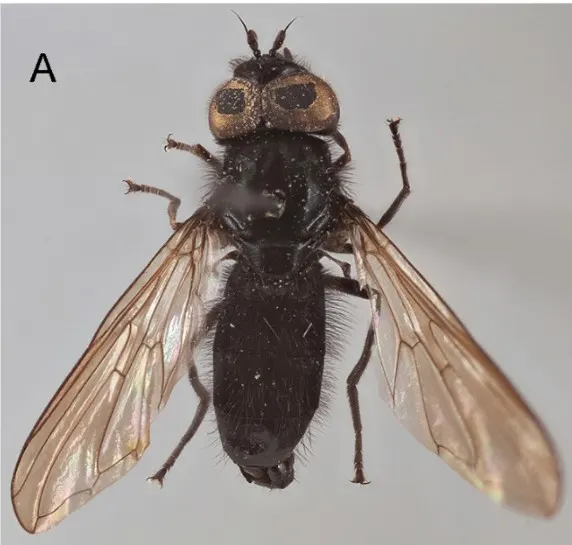
5 animals in this catalog carry a structured country pin for Sweden. That is a filing fact, not a claim that the crisis is only here.
The photograph is one of those animals: Cheilosia morio. Open a dossier for the text, the status, and the map. Use the world map to jump to another country. Confirm official distributions on the Red List.
Sweden stretches from southern farmland and beech woods to mountain tundra above the Arctic Circle. Forest covers about 58 percent of the land, lakes 9 percent and wetlands more than 10 percent (Convention on Biological Diversity profile, a draft). A wildlife overview says there are as many as 90,000 lakes larger than a hectare.
The country has fewer species than warmer regions, with an estimated 55,000 species of animals and plants in land habitats. Threatened species here are mostly small life tied to old forest, wet meadows and grazed grassland.
Where the pressure comes from
The national profile reports 4,338 red-listed species, about half associated with forests (2,221) and nearly half with farmland (2,020), with some counted in both. Forestry pressures named in a wildlife overview include removal of dead wood, planted non-native trees such as lodgepole pine, and little protection for the few remaining old-growth forests, particularly in the north.
Farmland and wetlands are affected too. Semi-natural grasslands now cover about 8 percent of the land, and meadows and pastures have been overgrown. Up to a quarter of the original wetland area has been lost, and more than 80 percent of remaining wetlands are affected by human activity. Hydropower, mining and invasive species add further pressure.
What is being done
Sweden became the first country in Europe to establish national parks, opening nine in 1909. There were 30 by 2020, covering 743,238 hectares, and Kosterhavet, opened in September 2009, is the country's first national marine park. About 4,000 sites are designated under the EU Natura 2000 network.
Even so, the profile says only about 900,000 hectares of 23.75 million hectares of productive forest, roughly 3.8 percent, is legally protected. It also reports that 20 of 28 listed habitats had unfavourable conservation status in all biogeographic regions in a 2007 assessment.
Reading the catalog for Sweden
The catalog's list for Sweden is short: insects are the largest named class, alongside two fish in the salmon family and a snail. A short list should not be read as a sign that Sweden's nature is secure, since the national red list has 4,338 species and uses a different scale from the global one.
Sources for this section
- CBD country profile, Sweden (draft): land cover, 4,338 red-listed, forest/farmland counts, wetlands, grasslands, protected forest, Natura 2000, 2007 habitats
- Wildlife of Sweden (Wikipedia): 90,000 lakes, 55,000 species, dead wood, lodgepole pine, old-growth, hydropower, mining, invasives
- List of national parks of Sweden (Wikipedia): 1909 parks, 30 parks 743,238 ha in 2020, Kosterhavet 2009
What the catalog records for Sweden
The catalog has 5 animals with a country pin for Sweden: 5 Endangered. By GBIF class the largest groups are Insecta (2), unknown (2), Gastropoda (1). The families with the most records are Salmonidae (2), Syrphidae (1), Nymphalidae (1). A pin means a structured source (Wikidata or a GBIF match) places the animal in Sweden; it does not say the animal lives only there.
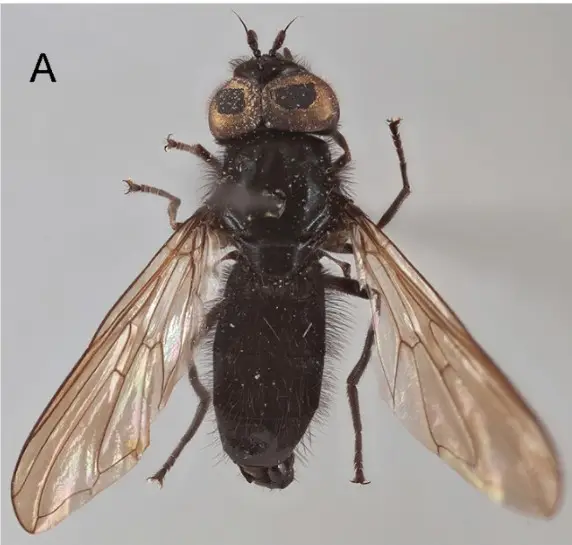 EN
Cheilosia morio
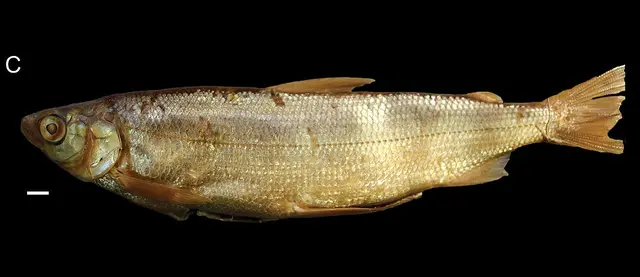 EN
Coregonus macrophthalmus
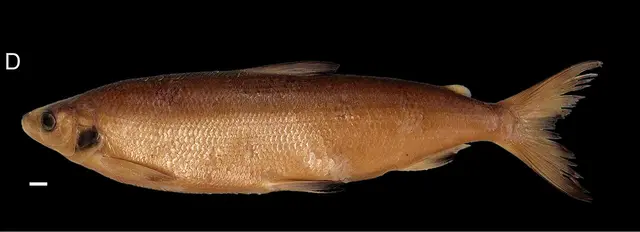 EN
Wartmann's Whitefish
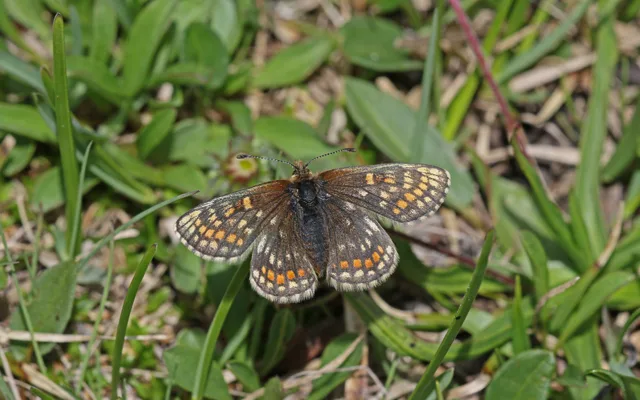 EN
Little Fritillary
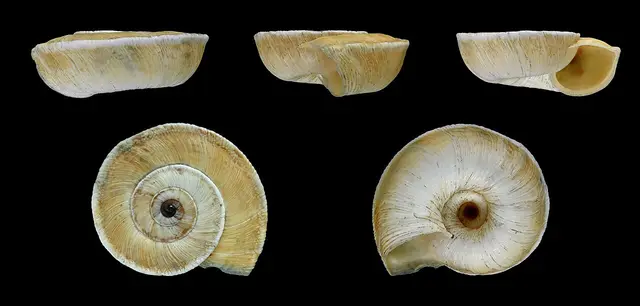 EN
Xerosecta explanata
Total pins: 5.
Quick answers
- Do all these animals live only in Sweden?
- No. A pin means a Wikidata place field resolved here. Official ranges can be wider.
- Is this a government list?
- No. It is a slice of this catalog.