Oman
4 catalog pins
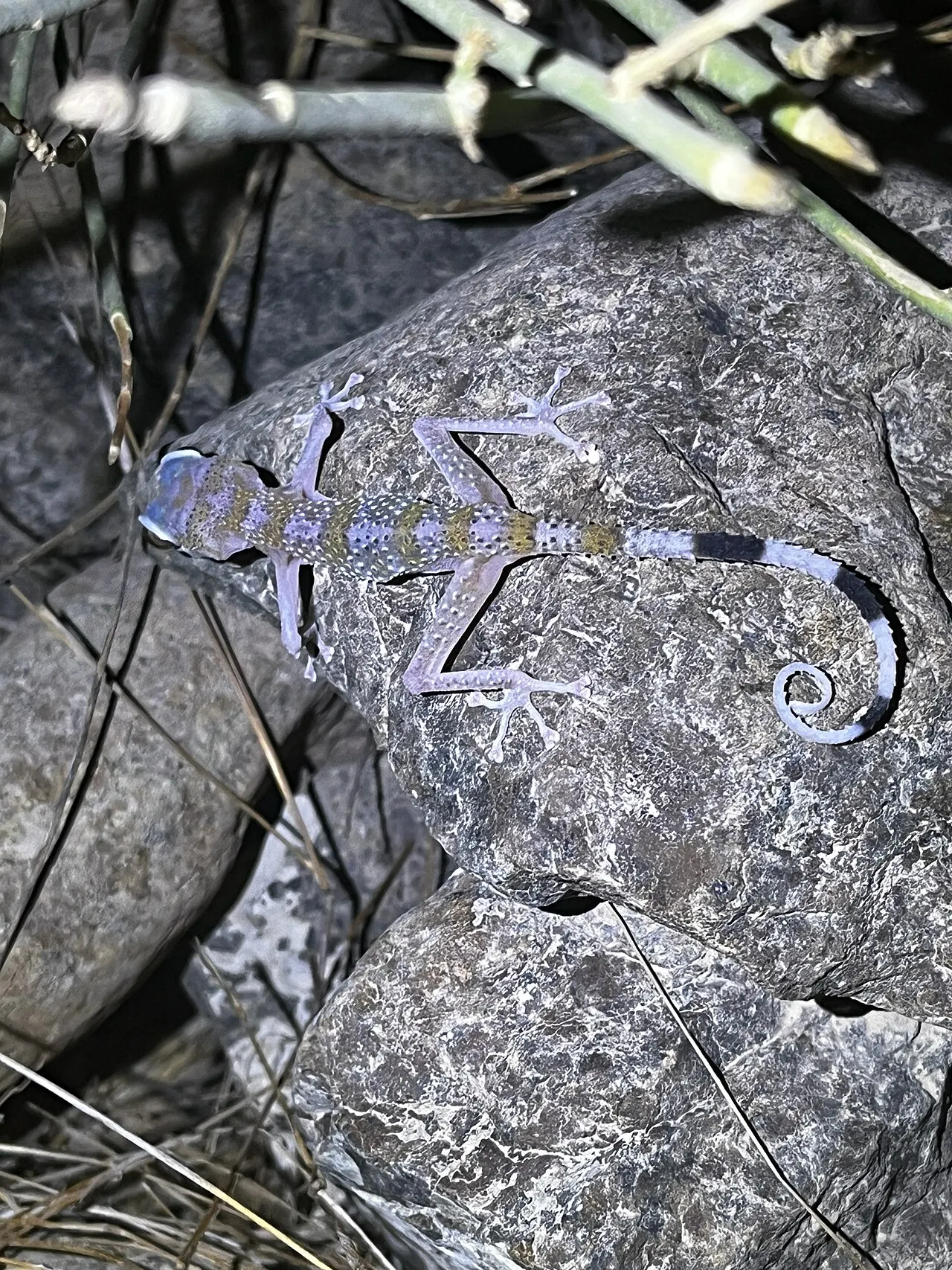
4 animals in this catalog carry a structured country pin for Oman. That is a filing fact, not a claim that the crisis is only here.
The photograph is one of those animals: Emirati leaf-toed gecko. Open a dossier for the text, the status, and the map. Use the world map to jump to another country. Confirm official distributions on the Red List.
Oman fills the south-east corner of the Arabian Peninsula. Much of the centre is hot gravelly desert with very little vegetation, but there are also the Hajar Mountains, rising to almost 3,000 m, a monsoon-fed coast in the south around Dhofar, and a long shoreline on the Arabian Sea.
Its draft report to the Convention on Biological Diversity lists over 1,200 plant species, 329 birds, 75 reptiles and 1,142 fish, with 78 endemic plants. It also records turtle nesting beaches at Ras Al Hadd and Masirah Island, and a reef off Barr Al Hikman described as unusual for being formed by a single species.
Where the pressure comes from
The report names overgrazing, habitat loss, and damage to coastal and marine ecosystems. Feral and introduced animals, including dogs, cats, goats, donkeys and rats, harm wildlife. Reefs suffer from fishing damage, coastal construction, litter, oil pollution, and discharges from desalination plants and sea farms.
Protection has also had setbacks. The Arabian Oryx Sanctuary was listed as a World Heritage Site in 1994, but after oil was found at the site Oman cut it by about 90%, and in 2007 it became the first site ever removed from the list. Oryx numbers there fell from 450 in 1996 to 65 in 2007, with poaching and habitat destruction both cited.
What is being done
Oman's law on conserving nature reserves and wildlife dates from 2003, alongside a 2001 environment law requiring an impact assessment before a permit is issued. Jabal Samhan Nature Reserve in Dhofar was set up to protect the Arabian leopard. The report also describes monitoring of Arabian tahr and leopards, a mangrove transplanting project and a national coral reef management plan. The profile is a draft and some of it is old.
Reading the catalog for Oman
Only 4 animals are listed for Oman: 1 Critically Endangered and 3 Endangered. Two are lizards (Squamata), one is a coral (Anthozoa) and one is a ray (Elasmobranchii). The Critically Endangered one is the Musandam leaf-toed gecko (Asaccus caudivolvulus), which is found only in the Hajar Mountains.
Sources for this section
- CBD country profile, Oman: Species numbers, endemic plants, threats, turtle beaches, Barr Al Hikman reef, laws, leopard and tahr monitoring
- Wildlife of Oman: Habitats, Hajar Mountains, Jabal Samhan reserve
- Arabian Oryx Sanctuary: 1994 designation, 90% cut, 2007 delisting, oryx 450 to 65
- Hajar Mountains: Hajar-only geckos including Asaccus caudivolvulus (Musandam leaf-toed gecko)
What the catalog records for Oman
The catalog has 4 animals with a country pin for Oman: 1 Critically Endangered and 3 Endangered. By GBIF class the largest groups are Squamata (2), Anthozoa (1), Elasmobranchii (1). The families with the most records are Phyllodactylidae (1), Acroporidae (1), Myliobatidae (1). A pin means a structured source (Wikidata or a GBIF match) places the animal in Oman; it does not say the animal lives only there.
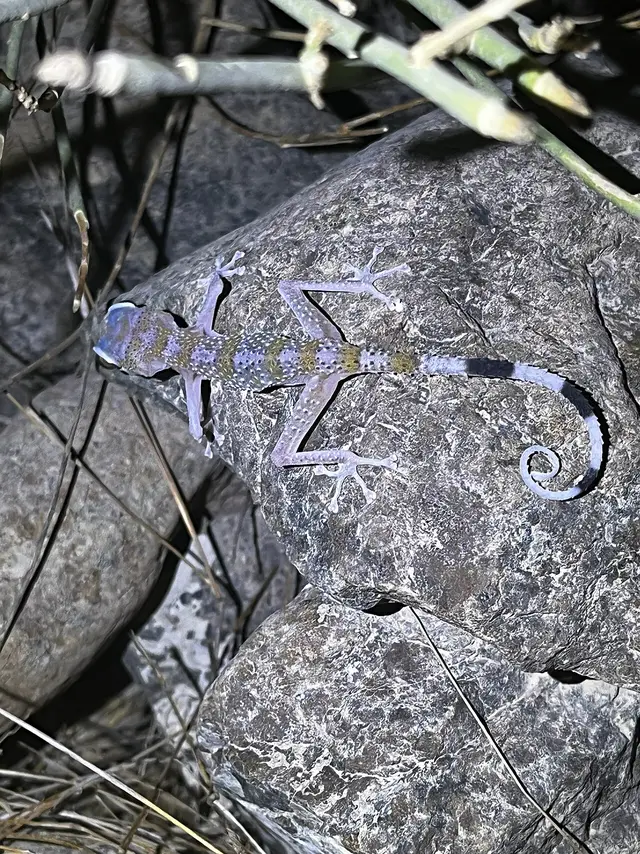 CR
Emirati leaf-toed gecko
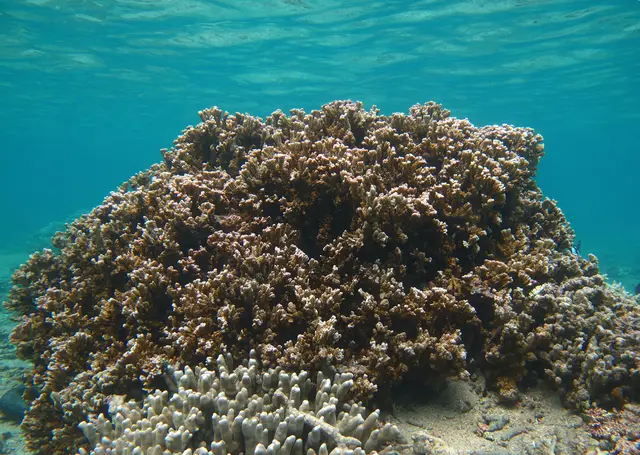 EN
Montipora circumvallata
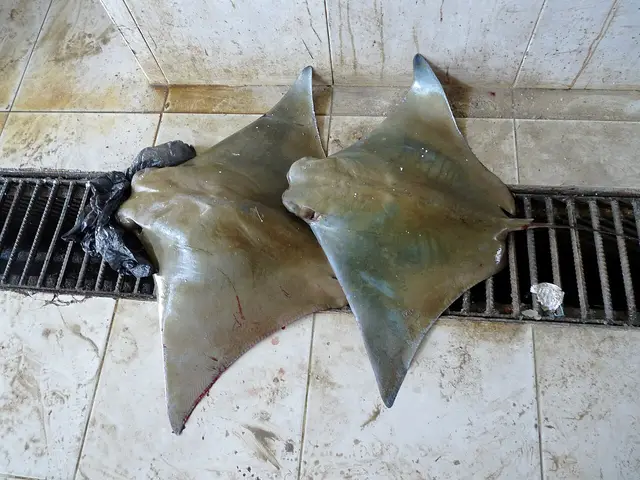 EN
Oman Cownose Ray
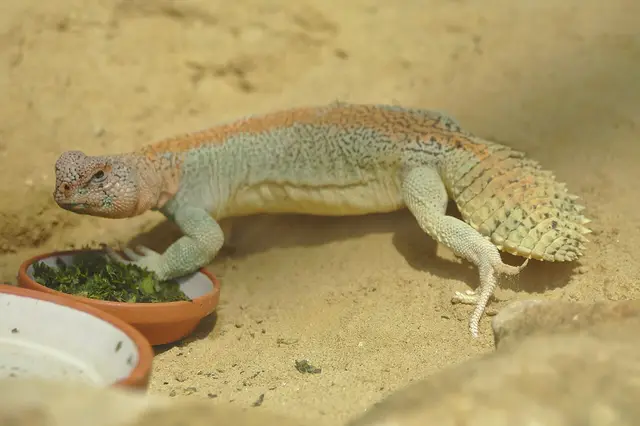 EN
Thomas' Mastigure
Total pins: 4.
Quick answers
- Do all these animals live only in Oman?
- No. A pin means a Wikidata place field resolved here. Official ranges can be wider.
- Is this a government list?
- No. It is a slice of this catalog.