Guadeloupe
6 catalog pins
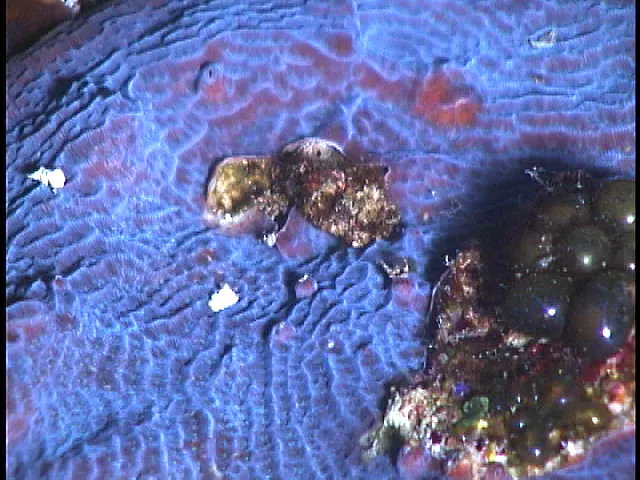
6 animals in this catalog carry a structured country pin for Guadeloupe. That is a filing fact, not a claim that the crisis is only here.
The photograph is one of those animals: Lamarck's Sheet Coral. Open a dossier for the text, the status, and the map. Use the world map to jump to another country. Confirm official distributions on the Red List.
Guadeloupe is not a country but an overseas department and region of France in the northern Lesser Antilles. It covers about 1,628 square kilometres and is made up of Basse-Terre, Grande-Terre, Marie-Galante, La Desirade and the Iles des Saintes, plus smaller islets.
The two main islands could hardly differ more. Basse-Terre is volcanic and mountainous, topped by the active La Grande Soufriere at 1,467 metres, and holds most of the rainforest. Grande-Terre is mostly flat, with white sand beaches sheltered by coral reefs along its southern shore. Mountain forest, mangrove and reef coast sit side by side on a small group of islands.
Where the pressure comes from
Islands this small leave animals little room to retreat. A study of bone remains suggests that 50 to 70 percent of snake and lizard species on the islands died out after European colonists arrived. The introduced Javan mongoose is now present.
Pollution of agricultural origin (pesticides and nitrogen compounds) and pressure from urban and suburban growth are listed as ongoing concerns. Parts of the national park's lower buffer zone are farmed, including banana plantations. Animal life in the park is limited, partly because of intensive hunting in earlier periods, and parrots and parakeets are among the species eradicated.
What is being done
Guadeloupe National Park was established on 20 February 1989, after an earlier natural park status from 1970. Its core area covers 173 square kilometres of Basse-Terre, and it also manages the Grand Cul-de-Sac Marin reserve, which holds nearly half of the island's mangrove swamps. UNESCO designated the core area and that reserve as the Guadeloupe Archipelago biosphere reserve in 1992.
Protected Planet lists 92 protected areas for Guadeloupe (UNEP-WCMC profile, November 2026). It gives no coverage percentage.
Reading the catalog for Guadeloupe
The catalog's list for Guadeloupe is short: 4 Critically Endangered and 2 Endangered animals. Corals are the largest group in the list, followed by snakes, plus one frog. Two of the six are racer snakes, the Antilles racer and the Terre-de-Haut racer, which sit alongside the island reptile losses described above. The list shows which animals the Red List ties to these islands. It does not say how many animals live there.
Sources for this section
- Guadeloupe National Park (Wikipedia): Park dates, areas, ecosystems, 1992 biosphere reserve, banana plantations, past hunting
- Guadeloupe (Wikipedia): Island geography, area, volcano height, reef coast, reptile loss figure, mongoose, agricultural pollution and urbanisation
- Protected Planet, Guadeloupe: Number of protected areas, November 2026
- Alsophis antillensis (Wikipedia): Antilles racer is endemic to Guadeloupe (Grande-Terre and Basse-Terre) and Marie-Galante
What the catalog records for Guadeloupe
The catalog has 6 animals with a country pin for Guadeloupe: 4 Critically Endangered and 2 Endangered. By GBIF class the largest groups are Anthozoa (3), Squamata (2), Amphibia (1). The families with the most records are Agariciidae (2), Colubridae (2), Faviidae (1). A pin means a structured source (Wikidata or a GBIF match) places the animal in Guadeloupe; it does not say the animal lives only there.
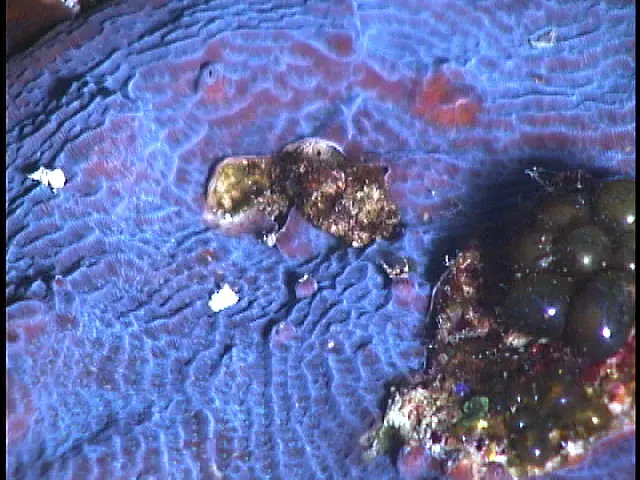 CR
Lamarck's Sheet Coral
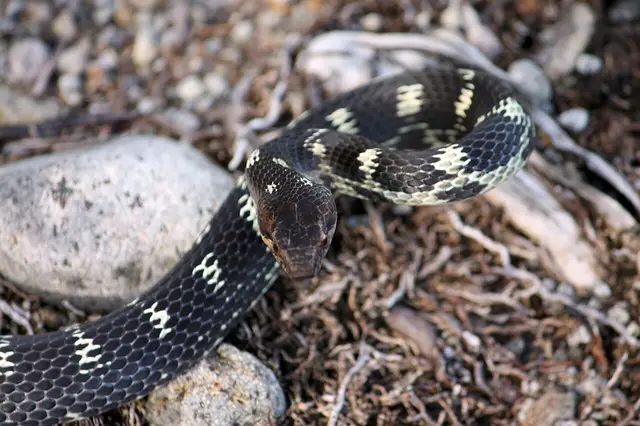 CR
Antilles racer
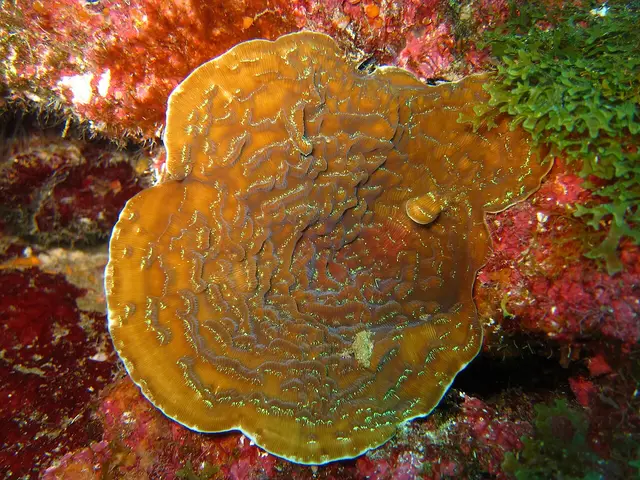 CR
Sunray Lettuce Coral
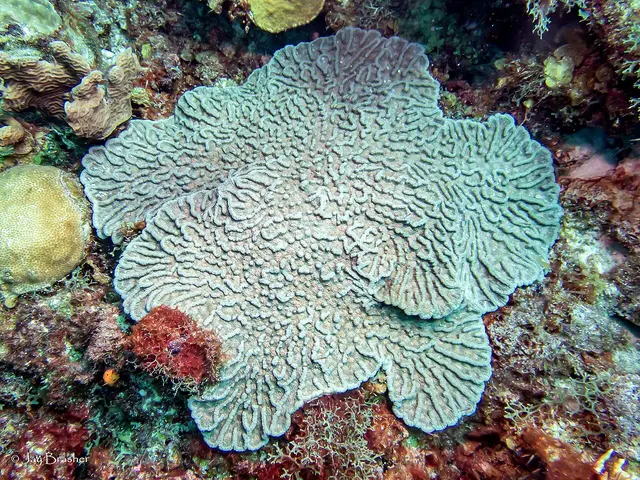 CR
Rough Cactus Coral
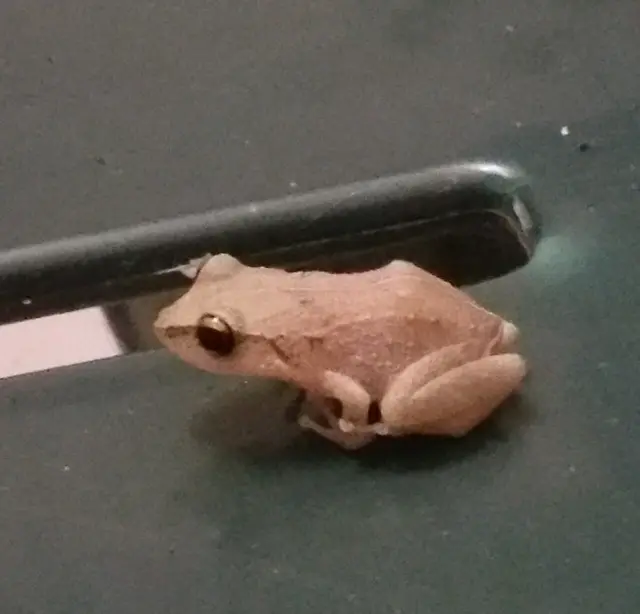 EN
Eleutherodactylus pinchoni
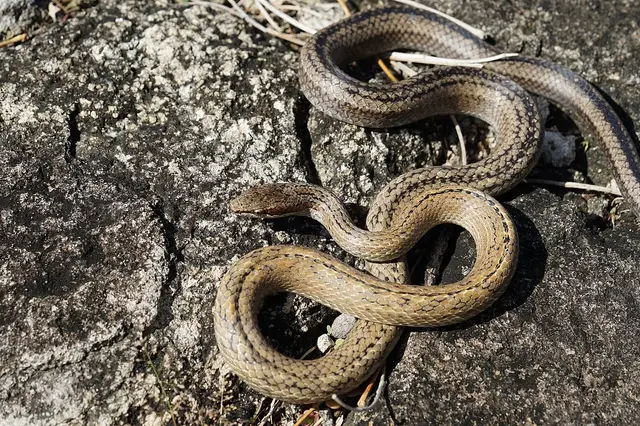 EN
Terre-de-Haut racer
Total pins: 6.
Quick answers
- Do all these animals live only in Guadeloupe?
- No. A pin means a Wikidata place field resolved here. Official ranges can be wider.
- Is this a government list?
- No. It is a slice of this catalog.