Critically Endangered
Antilles racer
Alsophis antillensis
The Antilles racer (Alsophis antillensis), also called the Guadeloupe racer or couresse, is a harmless, fast-moving snake of the Lesser Antilles. It is now restricted to Guadeloupe and perhaps Marie-Galante, is rated Critically Endangered (assessed 2016), and French officials said in 2022 that no sighting had been confirmed since 2004.
How to recognise it
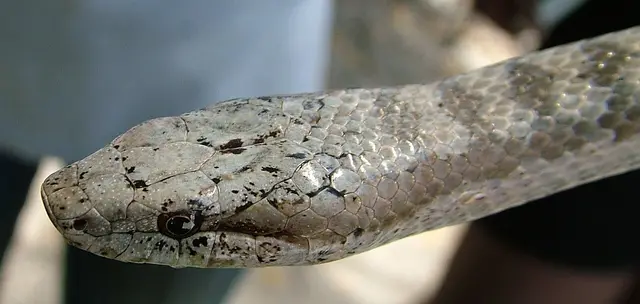
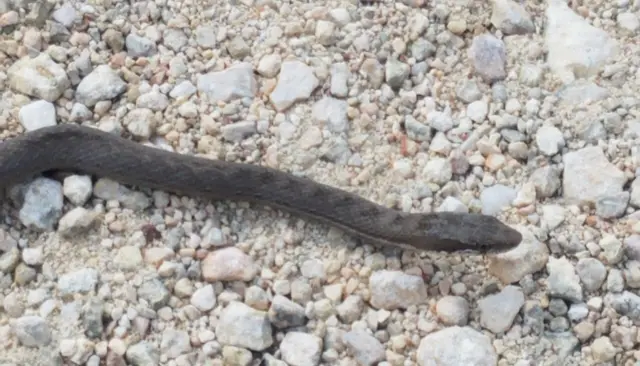
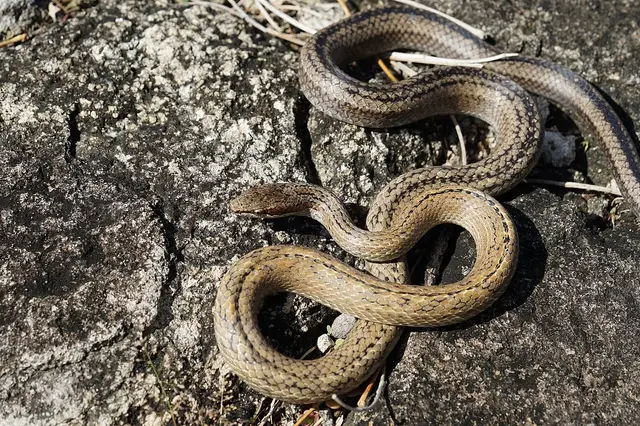
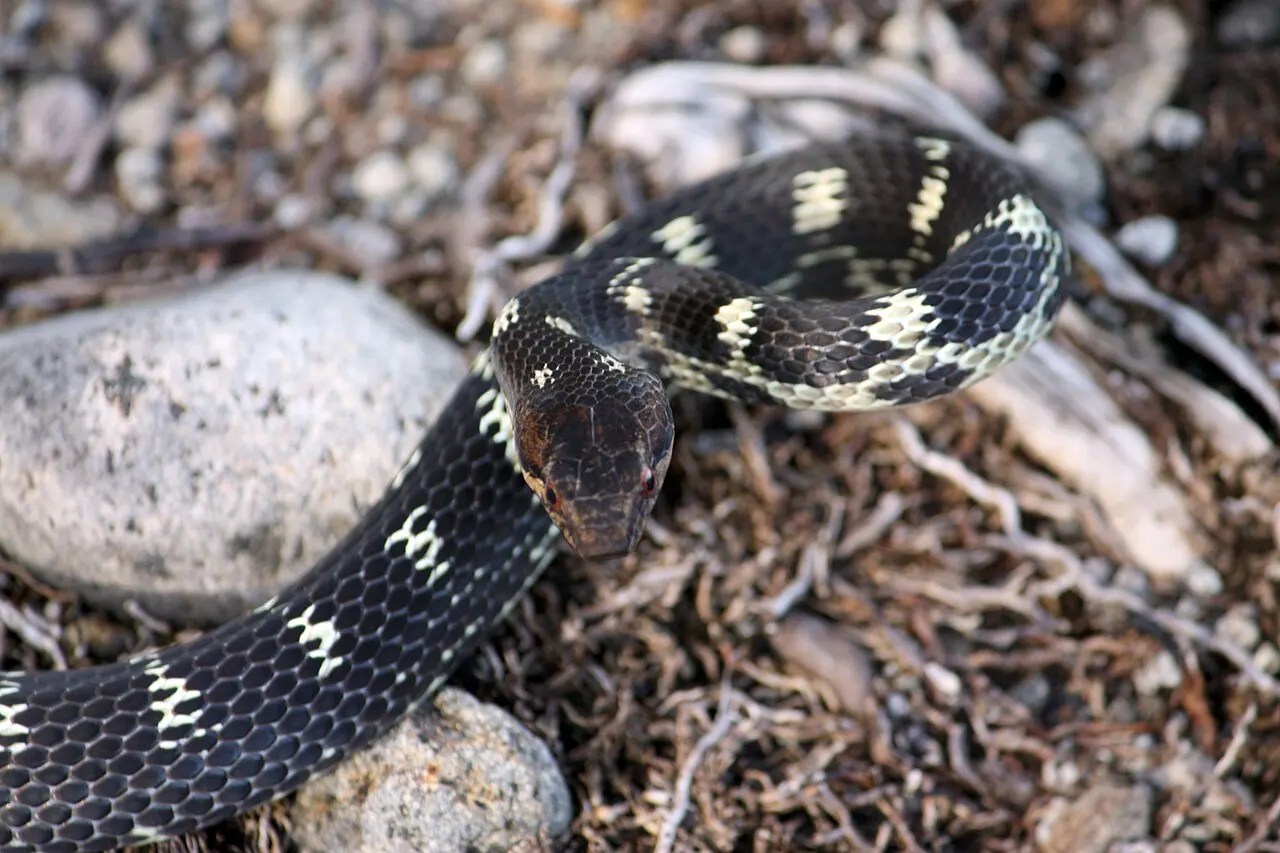
This is a slender, fast daytime snake. Sizes differ by source. A general reference says it reaches nearly a metre, while a 2022 report quoting French conservation officials describes adults of 120 to 130 cm. Colour varies from browns and greys to reds. The adult Guadeloupe snake is described as black on the back with yellow spots and a greyish-yellow belly.
It is not venomous. When cornered it hisses loudly and strikes, and it may release a foul-smelling but harmless secretion from its vent.
Where it lives
The genus Alsophis is found only in the Lesser Antilles. The Antilles racer is endemic to Guadeloupe, with records from the main islands of Grande-Terre and Basse-Terre. The Reptile Database also lists Marie-Galante. Snakes on Dominica, Montserrat and Antigua that were once treated as the same animal are now regarded as separate species.
The Red List assessment lists dry forest and shrubland, moist lowland forest, mangrove edges, plantations, gardens and pasture as habitats it uses.
Pins are Wikidata “endemic to” fields. Orange dots, when present, are GBIF occurrence tiles — survey bias included.
How it lives
It is mainly active by day, moving quickly and catching lizards, frogs, birds and small mammals, which it subdues by constriction. The Reptile Database lists it as egg-laying. Little else about its life on Guadeloupe has been published.
Why it is in trouble
The Red List assessment records the population as decreasing and severely fragmented. The threats it lists are persecution, small-holder farming, housing and urban development, and an invasive species, which it rates as low impact. Its estimated area of occupancy is only 8 square kilometres.
In June 2022 the French Office for Biodiversity said that, apart from a few vague reports, no sighting had been confirmed since 2004. Whether a population survives is therefore uncertain.
What is being done
In 2022 the French Office for Biodiversity launched a public call asking residents to report sightings with a date, place and photo if possible. The information is meant to show where the snakes still live and to support future conservation and awareness work on couresses in the Antilles.
The Red List assessment lists site protection and captive breeding as conservation actions, and records it as unknown whether the species occurs in any protected area.
Sources
Written for this catalog in our own words from the sources below, checked against them on 12 November 2026. Population figures are estimates and carry the year they were made. Status and assessment year: IUCN. 2026. The IUCN Red List of Threatened Species. Version 2026-1. iucnredlist.org.