Endangered
Zempoaltepec
Peromyscus melanocarpus
The Zempoaltepec deer mouse, also called the black-wristed deer mouse (Peromyscus melanocarpus), is a medium-sized rodent of the cloud forests of northern Oaxaca, southern Mexico. The IUCN listed it as Endangered in 2026 because it lives in only two locations and its forest home is shrinking.
How to recognise it
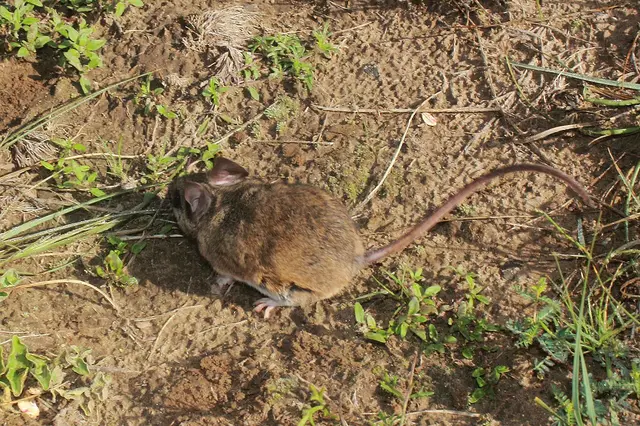
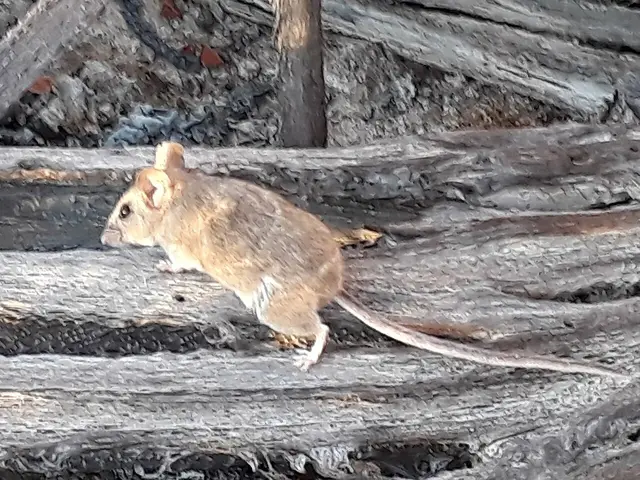
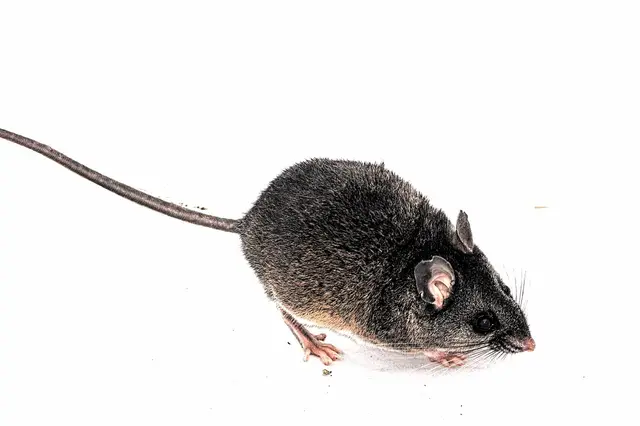
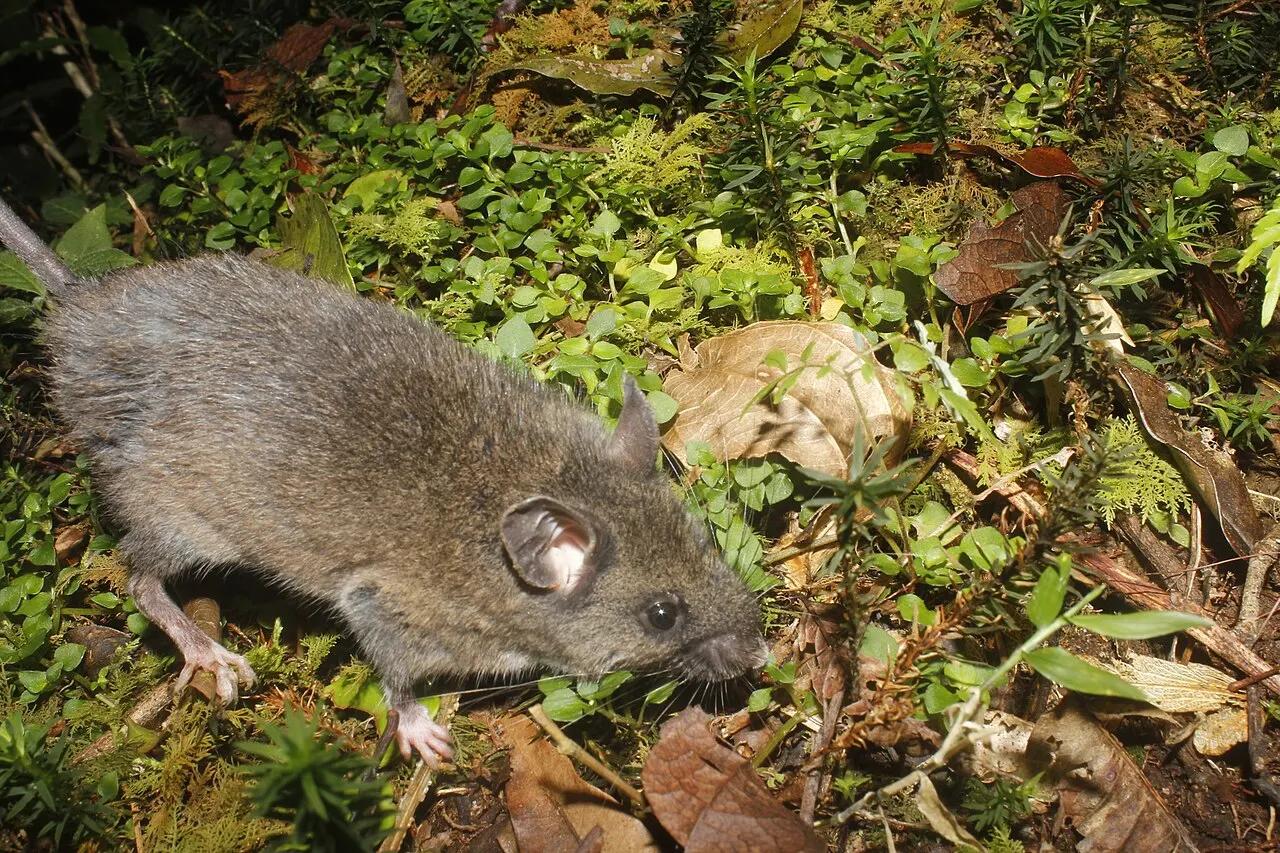
It is a New World deer mouse in the genus Peromyscus, family Cricetidae, and counts as medium to large for the group. The Handbook of the Mammals of the World gives a head and body length of 100 to 130 mm, a tail of 100 to 133 mm and a weight of about 59 g.
The fur is long, soft and generally dark brown. The belly is blackish slate washed with white, the tail carries short blackish hair, and the feet are dusky brown. The American zoologist Wilfred Osgood described the species in 1904 from a specimen collected on Mount Zempoaltepec, at about 2,438 m.
Where it lives
The mouse is endemic to Mexico and known only from northern Oaxaca, in the Sierra de Zempoaltepec, the Sierra de Juarez and the Sierra Mazateca, which are ranges of the Sierra Madre de Oaxaca. Some accounts give 1,500 to 2,500 m as its elevation band, while the 2026 Red List assessment records it from 900 to 2,800 m. The assessment counts 2 locations and estimates the extent of occurrence at 2,944 km2.
Its habitat is moist montane forest, the kind often called cloud forest. Handbook accounts describe steep slopes, lateritic soils, heavy rain and thick moss cover, in places where montane rainforest meets evergreen cloud forest.
Pins are Wikidata “endemic to” fields. Orange dots, when present, are GBIF occurrence tiles — survey bias included.
How it lives
Little has been recorded. Acorns and other seeds probably make up most of its diet, and it is presumably nocturnal. It often burrows under exposed tree roots.
Breeding is probably year-round. Gestation has been estimated at 30 days, with litters averaging 2 to 3 young. The young develop more slowly than in many deer mice, and males seem to help with nest building and care, which hints at monogamy. The assessment estimates a generation at about 1.7 years.
Why it is in trouble
The trouble is the forest itself. The Red List names housing and urban development, small-holder farming and other habitat alteration as the threats, and it records a continuing decline in the area of habitat. Because the species lives in only two locations, losing forest at either one hits a large share of its range. It is assessed as Endangered under criterion B1ab(iii), which covers a small range, few locations and a falling quality of habitat.
Despite that, the assessment gives the population trend as stable. It lists no population size, and whether the population is fragmented is unknown.
What is being done
Conservation measures are limited. The assessment records none of the population inside a protected area, and lists site protection and national-level action as actions needed. It records no known recovery plan or monitoring scheme. Knowing how many are left, and how fast the mountain forests are shrinking, is the first gap to close.
Sources
Written for this catalog in our own words from the sources below, checked against them on 12 November 2026. Population figures are estimates and carry the year they were made. Status and assessment year: IUCN. 2026. The IUCN Red List of Threatened Species. Version 2026-1. iucnredlist.org.