Critically Endangered
Perote Mouse
Peromyscus bullatus
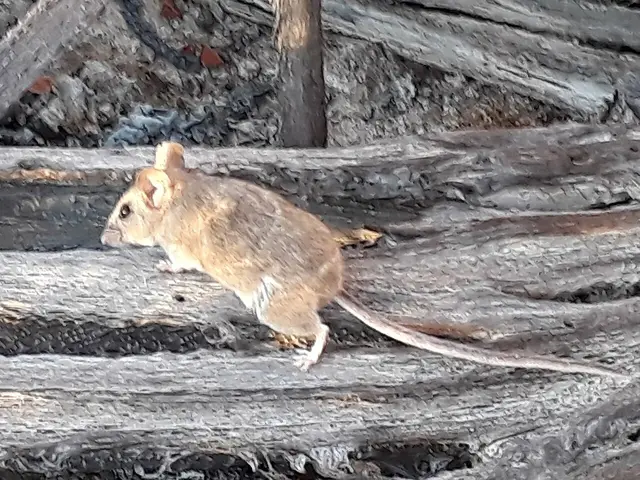
The Perote mouse (Peromyscus bullatus) is a rare deermouse of dry scrub and grassland on the high plateau of eastern Mexico, around the city of Perote in Veracruz. The IUCN assessed it as Critically Endangered in 2018 because of its tiny range and ongoing habitat decline.
How to recognise it
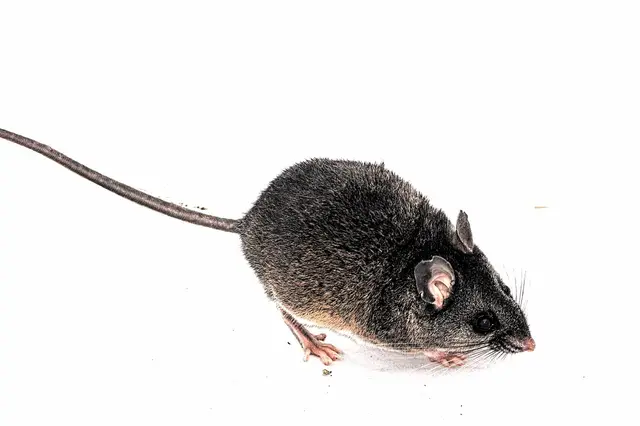
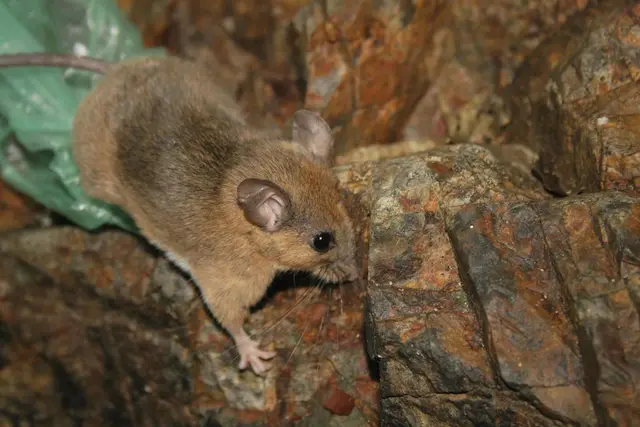
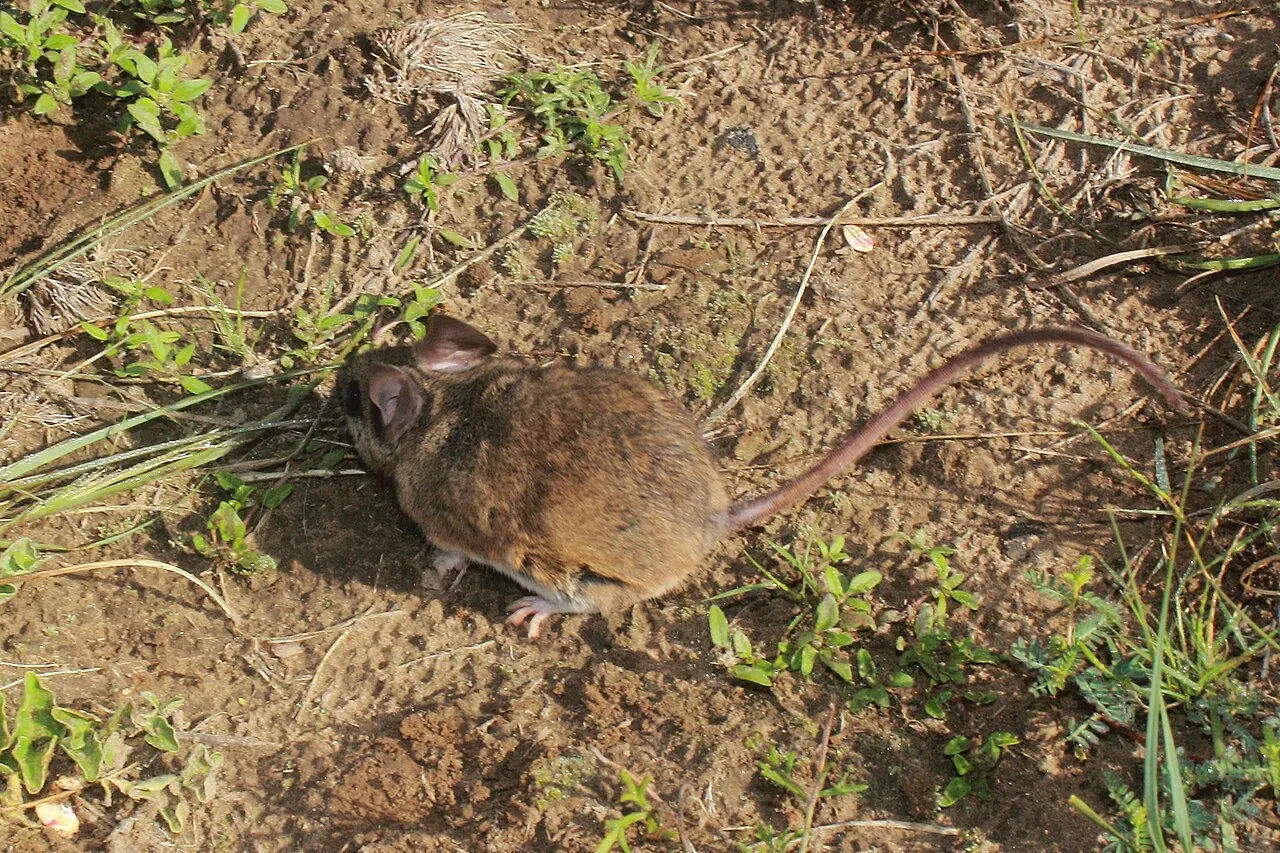
It is a medium-sized deermouse, with a head and body of 88 to 104 mm, a tail of 87 to 119 mm and a weight of 20 to 36 g. The coat is tawny-ochre, darker along the middle of the back, with creamy white underparts and grey sides to the head. The tail is hairy and usually longer than the body.
The ears are large and the bony bubbles around the middle ear (auditory bullae) are inflated, features that help separate it from other deermice. It looks very much like the southern rock deermouse, which lives in the same area, and the two are often confused in the field and in museum collections.
Where it lives
It was described by Wilfred Osgood in 1904 and is found near the city of Perote, which gives it its common name. The IUCN lists it from Veracruz, Mexico, from a single location at 2,250 to 2,500 m, with an estimated extent of occurrence of about 69 square km. Other accounts place it in a few spots in extreme eastern Puebla and west-central Veracruz.
It prefers sandy soils in dry scrub, grassland and some open forest patches, sometimes with juniper or yuccas. A 2019 study in Acta Zoologica Mexicana sorted 109 museum specimens labelled as southern rock deermouse, all from the San Antonio Limon area near Totalco in central Veracruz, now a Protected Natural Area, and found four that were really Perote mice.
Pins are Wikidata “endemic to” fields. Orange dots, when present, are GBIF occurrence tiles — survey bias included.
How it lives
Little is known. It is presumed to be nocturnal, and breeding is thought to take place in spring and early summer. Its diet, home range, movements and social behaviour have not been described.
Why it is in trouble
The IUCN records an ongoing, low-impact threat from farming, with its scale unrecorded, and a continuing decline in the area the species occupies. With one location and a narrow range, any local loss of dry scrub or grassland could hit the whole species.
Its rarity is itself a problem. Few specimens exist and misidentification is common, so the true number of mice is not known. The assessment gives no population size.
What is being done
The only conservation action recorded is site and area protection. The IUCN lists the existence of a recovery plan and a monitoring scheme as unknown. Mexican legislation classes the species as under special protection. Better surveys that separate it from lookalikes would show how many remain.
Sources
Written for this catalog in our own words from the sources below, checked against them on 12 November 2026. Population figures are estimates and carry the year they were made. Status and assessment year: IUCN. 2026. The IUCN Red List of Threatened Species. Version 2026-1. iucnredlist.org.