Critically Endangered
Slevins's Mouse
Peromyscus slevini
Slevin's mouse (Peromyscus slevini) is a large deermouse known only from Isla Santa Catalina, a small island of about 40 square kilometres in the Gulf of California off Baja California Sur, Mexico. It is the island's only native mammal, and the IUCN rates it Critically Endangered (assessed 2026).
How to recognise it
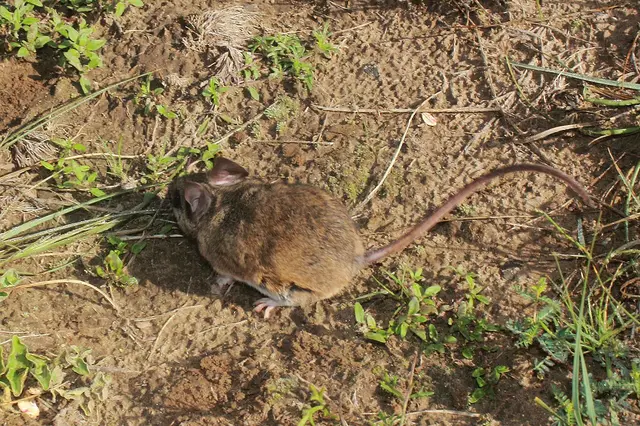
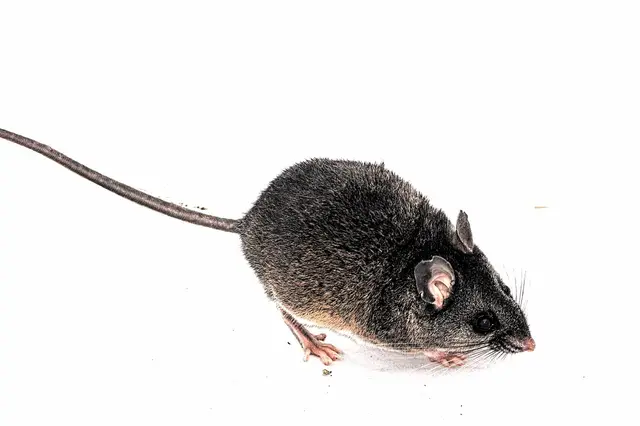
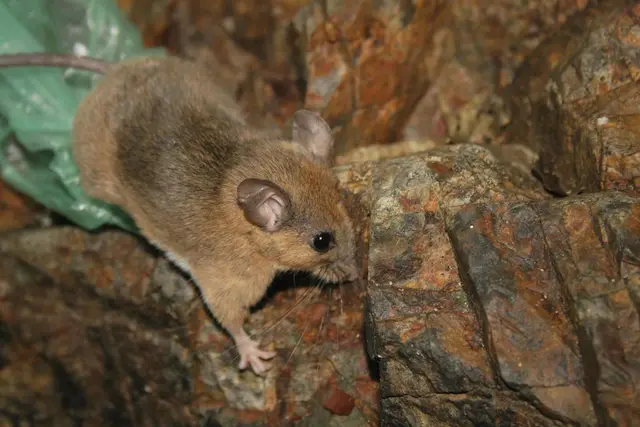
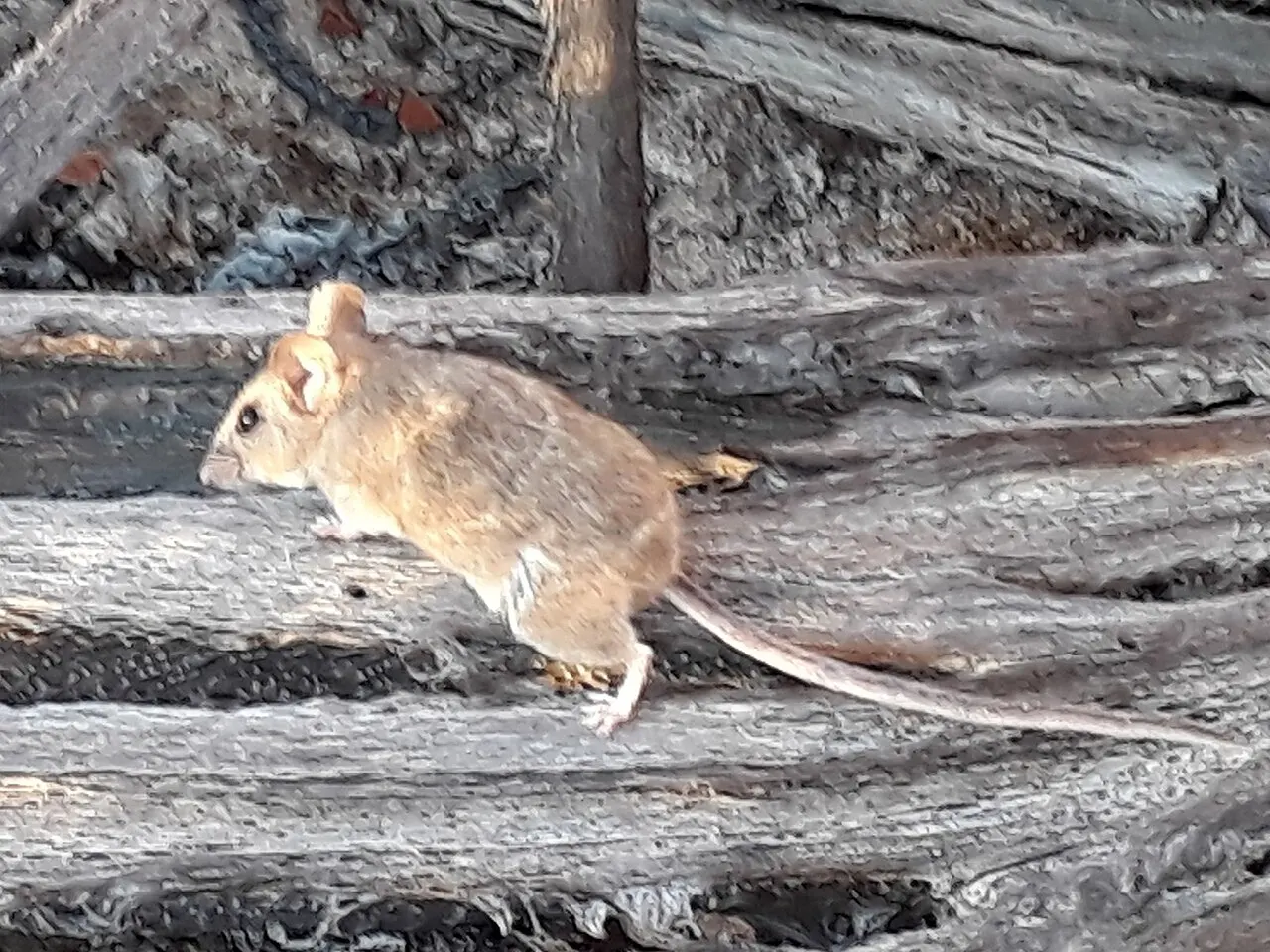
Slevin's mouse is big for a deermouse, about 21 cm from nose to tail tip, with the tail making up around 10 cm. The fur is pale cinnamon mixed with dusky hairs over the head, back and flanks, and the underparts are nearly white.
It looks much like the California mouse but is paler and slightly larger. It is also called the Catalina deermouse, which invites confusion with a deermouse subspecies on Santa Catalina Island off California. That is a different animal on a different island.
Where it lives
The mouse is endemic to Santa Catalina, which lies off the east coast of the Baja California peninsula. The Red List assessment treats it as occurring at a single location, from sea level up to about 448 m, in subtropical and tropical dry shrubland. Its extent of occurrence is given as 46 square kilometres.
Joseph Mailliard described the species in 1924 in the Proceedings of the California Academy of Sciences, under the title "A new mouse (Peromyscus slevini) from the Gulf of California." The holotype came from Santa Catalina Island, about 27 km north-east of Punta San Marcial. The name honours Joseph Slevin, a curator at the academy.
Pins are Wikidata “endemic to” fields. Orange dots, when present, are GBIF occurrence tiles — survey bias included.
How it lives
Little has been published about its daily life. The Red List assessment gives a generation length of about 1.7 years. Details of its breeding and diet are not recorded in the sources available.
Why it is in trouble
The main problem is competition. A mainland deermouse has reportedly reached the island, probably carried by local fishermen, and competes with the native mouse. One account names the invader as the Northern Baja deer mouse (Peromyscus fraterculus), though other accounts differ. The Red List assessment records the population as decreasing and lists temperature extremes as an additional pressure.
With a single small island as its whole range, any one event can do great harm. The identity of the invader and the mouse's present status are both disputed. The Recently Extinct Species database lists Slevin's mouse as extinct, blaming replacement by the cactus mouse (Peromyscus eremicus), while the IUCN keeps it as Critically Endangered.
What is being done
The 2026 assessment reports that conservation sites have been identified over the whole range, that 91 to 100 percent of the population is within protected areas, and that an area management plan and a recovery plan exist. It also records invasive species control or prevention as in place. Site protection, invasive species control, reintroduction and captive breeding appear among the conservation actions listed for the species.
The assessment gives no population estimate, so how many survive is unclear.
Sources
Written for this catalog in our own words from the sources below, checked against them on 12 November 2026. Population figures are estimates and carry the year they were made. Status and assessment year: IUCN. 2026. The IUCN Red List of Threatened Species. Version 2026-1. iucnredlist.org.