Endangered
Black-tailed mouse
Peromyscus melanurus
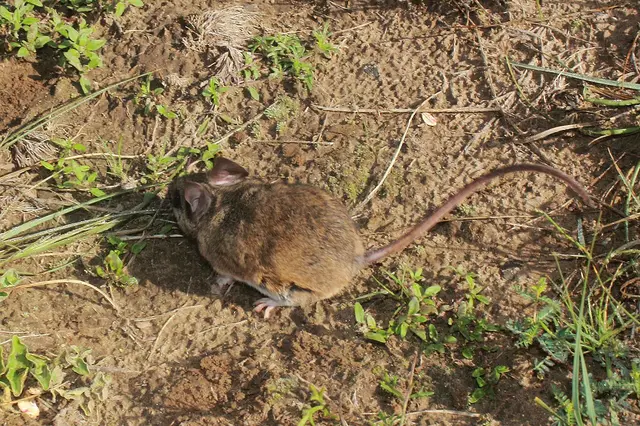
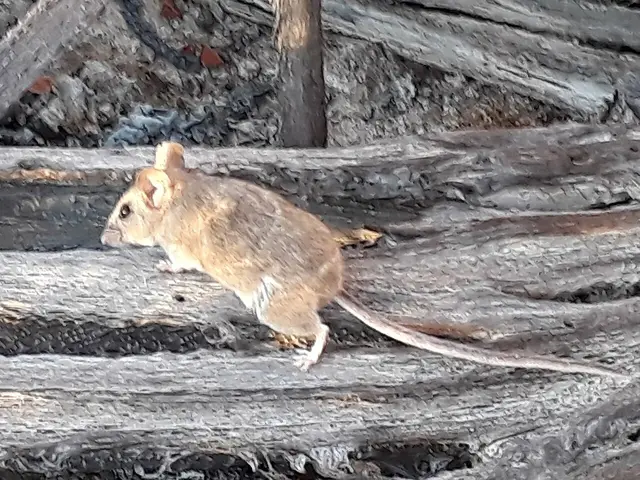
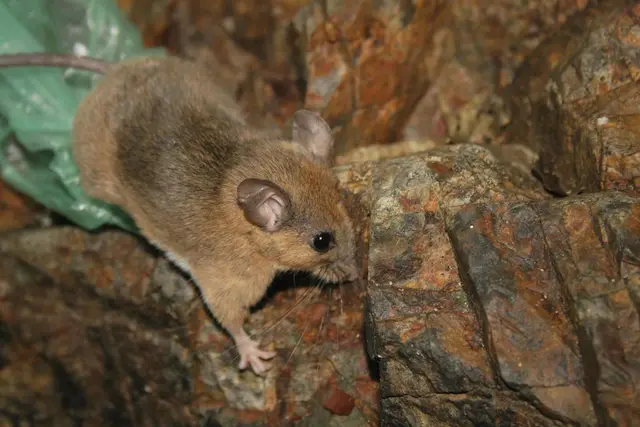
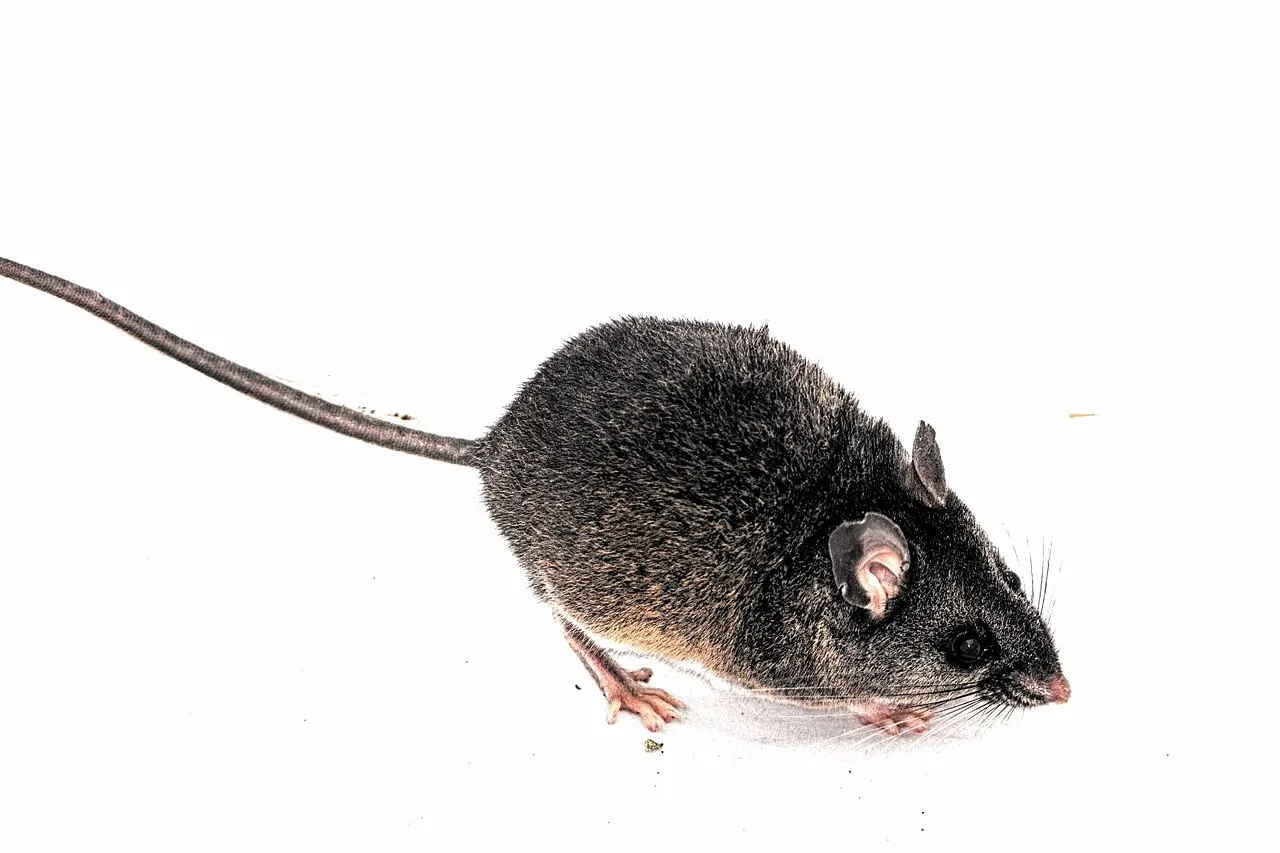
The black-tailed mouse (Peromyscus melanurus) is a small deermouse found only in southern Mexico, on the Pacific slopes of the Sierra Madre del Sur in Oaxaca. The IUCN Red List assessed it as Endangered in 2019. Almost everything known about it comes from museum specimens, and its habitat is shrinking.
What kind of mouse it is
It is a New World mouse in the family Cricetidae and the genus Peromyscus, a large group of closely related rodents often called deermice. The American zoologist Wilfred Osgood described it in 1909 as a subspecies of another Mexican deermouse, Peromyscus megalops, under the name Peromyscus megalops melanurus. In 1980 Huckaby's work supported treating it as a full species, and it is placed in the megalops species group. A chromosome study followed in 1986.
English names include black-tailed mouse, black-tailed deermouse and black-tailed deer mouse. In Spanish it is the ratón de cola negra.
Where it lives
It is found only in Mexico, on the Pacific slopes of the Sierra Madre del Sur in the state of Oaxaca. The type specimen was collected near Pluma Hidalgo. Sources disagree on the exact altitude of that spot, giving it as about 914 m in one standard reference and about 1,400 m in another database.
The IUCN assessment records two habitats, tropical or subtropical dry forest and moist montane forest, at roughly 700 to 1,900 m above sea level. It counts 4 to 5 separate locations and describes the mice as year-round residents. In the GBIF database, all 299 records from Mexico are in Oaxaca, and nearly all are preserved museum specimens. Only two entries are plain occurrence records rather than specimens or citations of specimens.
Pins are Wikidata “endemic to” fields. Orange dots, when present, are GBIF occurrence tiles — survey bias included.
Why it is in trouble
The assessment rates it Endangered under criterion B1ab(iii), a rating for species with a small range and a continuing loss of habitat quality. The main threat it lists is crop farming. It scores this as medium impact, affecting the majority of the range and causing slow but significant declines. The area of suitable habitat is still shrinking.
The population trend was recorded as stable in 2019, but whether the population is fragmented or declining overall is listed as unknown, and no population size has been estimated.
What is being done
Very little, as far as the record shows. The assessment says the species is not known to occur in any protected area, that none of its population is protected, and that there is no recovery plan or monitoring scheme. It names resource and habitat protection as the conservation action needed. A 2013 undergraduate project by Melina Walden and Duke Rogers at Brigham Young University looked at how this species and Peromyscus megalops are related.
Sources
Written for this catalog in our own words from the sources below, checked against them on 12 November 2026. Population figures are estimates and carry the year they were made. Status and assessment year: IUCN. 2026. The IUCN Red List of Threatened Species. Version 2026-1. iucnredlist.org.
- IUCN Red List assessment, Peromyscus melanurus (2019)
- Mammal Diversity Database, Peromyscus melanurus
- Mammal Species of the World, 3rd edition, treatment via Plazi
- GBIF occurrence records for Peromyscus melanurus
- Walden and Rogers, Conservation Genetics of Mexican Deer Mice (BYU Journal of Undergraduate Research, 2013)
- Wikipedia, Black-tailed mouse