Endangered
Wangi-wangi White-eye
Zosterops paruhbesar
The Wangi-wangi white-eye (Zosterops paruhbesar), known locally as sui, is a songbird found only on Wangi-wangi Island in Indonesia's Wakatobi archipelago. It was described as a new species only recently. The IUCN Red List rated it Endangered in 2023, mainly for its tiny range and trapping.
How to recognise it
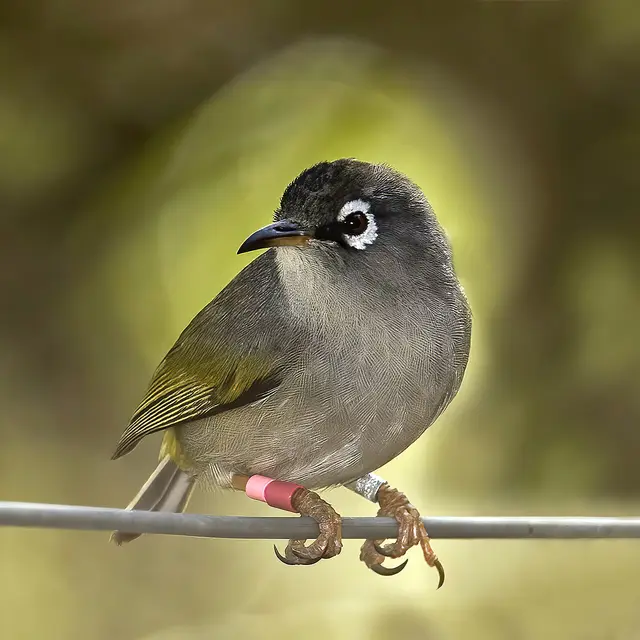
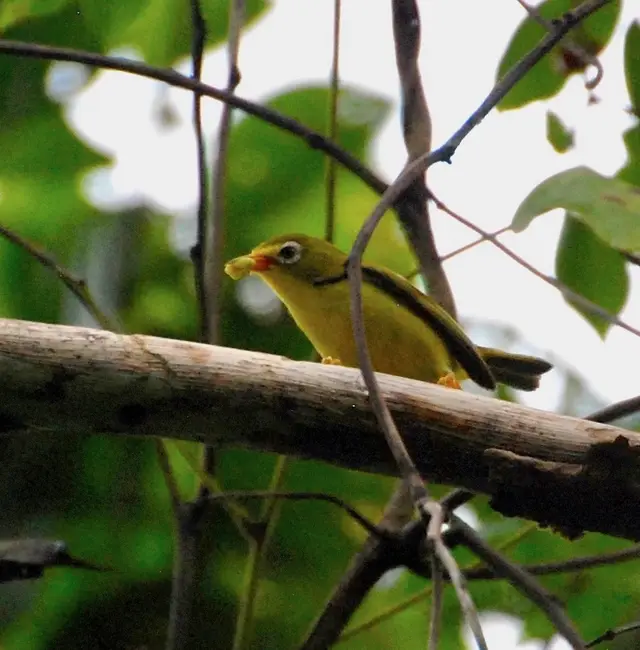
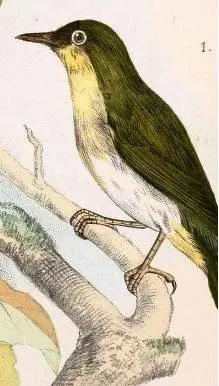
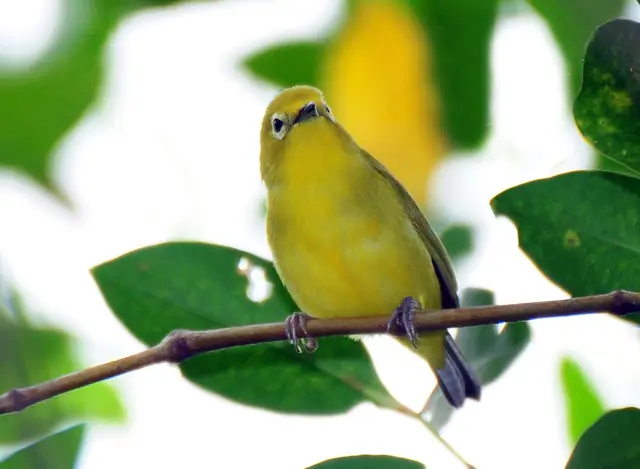
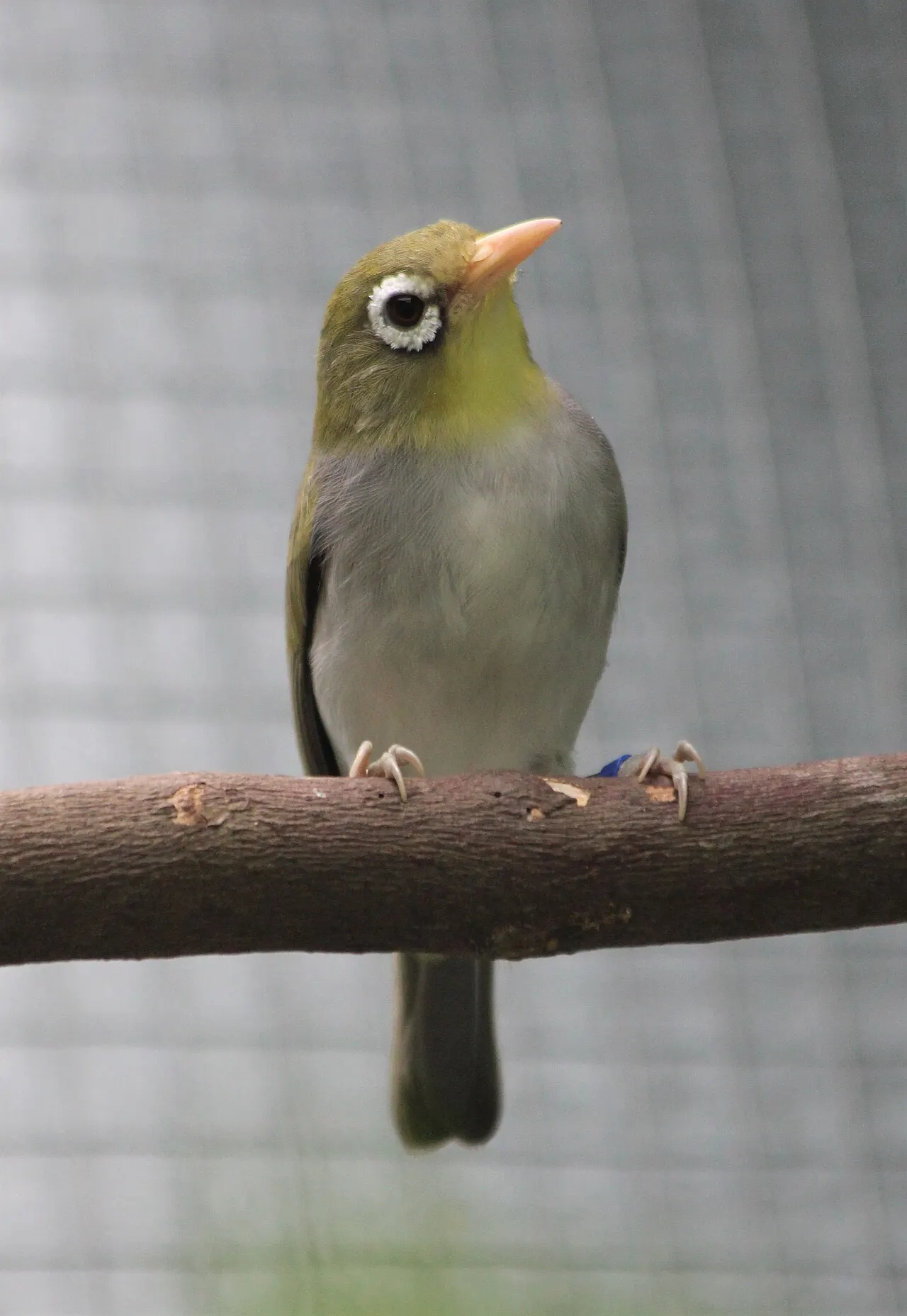
Like other white-eyes it has a ring of pale feathers around the eye. The head, throat and a stripe down the belly are yellowish, the flanks grey, and the flight and tail feathers brown. Males and females look alike.
Its bright yellow bill is the giveaway. It sets the bird apart from the Wakatobi white-eye, the only other white-eye on the island. A scientific description by Irham and colleagues found the new species larger in body and bill than other white-eyes in the region, and clearly distinct in its genes as well as its looks.
Where it lives
Wangi-wangi is a small island of about 155 square km, and this bird is endemic to it, possibly with a few small nearby islets. The IUCN lists a single country, Indonesia, and a habitat that runs from sea level to about 20 m.
It uses lowland forest, heavily degraded former forest, scrub, mixed gardens and mangrove, according to the IUCN assessment and an Indonesian news report. Locals call it sui bulanta, roughly 'big eye'.
Pins are Wikidata “endemic to” fields. Orange dots, when present, are GBIF occurrence tiles — survey bias included.
How it lives
Indonesian reports say it takes caterpillars, small figs and nectar from noni flowers. The IUCN treats the bird as not migratory.
Its generation length is estimated at 2.8 years.
Why it is in trouble
The 2023 assessment gives 500 to 2,500 mature individuals (and 500 to 1,500 for a second measure) and lists the trend as decreasing, with all birds in one subpopulation. The describing paper in the journal Ibis called the bird locally common, but its area is very small and its habitat is shrinking.
The IUCN names four pressures: trapping aimed at the species itself, accidental or small-scale harvest, shifting agriculture, and tourism development. The describing paper also points to pressure from the bird trade.
What is being done
Since 2022, Taman Safari Indonesia and Wakatobi National Park have run a joint breeding, research and education programme with the Ministry of Environment and Forestry. The IUCN records the whole population as inside protected areas and some birds held in captivity.
It lists captive breeding, international level action and habitat restoration as needed actions, and notes that no systematic monitoring scheme or recovery plan was in place when it assessed the bird.
Sources
Written for this catalog in our own words from the sources below, checked against them on 12 November 2026. Population figures are estimates and carry the year they were made. Status and assessment year: IUCN. 2026. The IUCN Red List of Threatened Species. Version 2026-1. iucnredlist.org.