Endangered
Walnut elimia
Elimia bellula
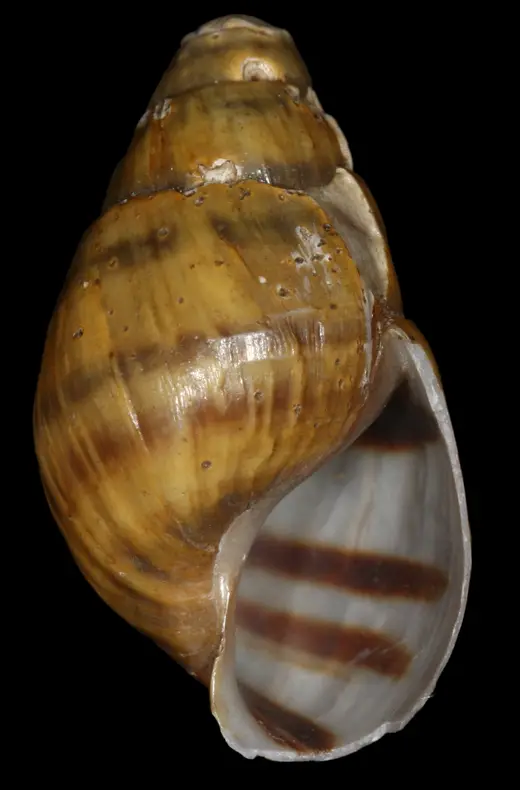
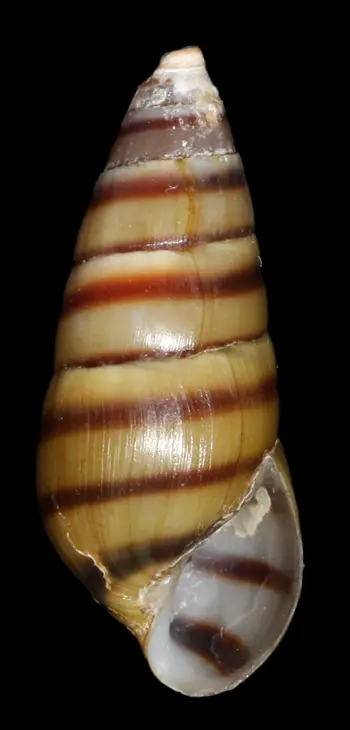
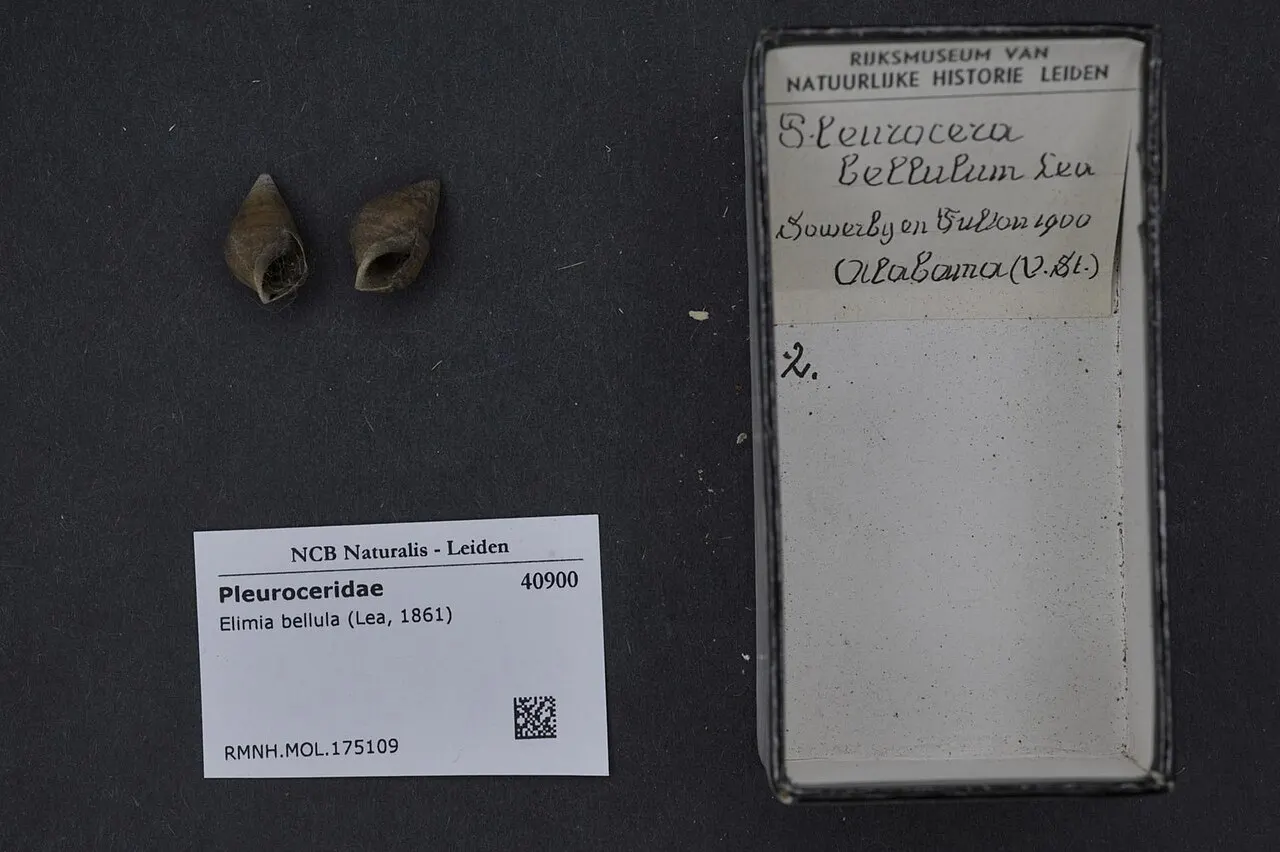
The walnut elimia (Elimia bellula) is a small freshwater snail from Alabama, in the United States, where it lives in flowing water. The IUCN Red List rated it Endangered in 2012. It is known from only two locations and is poorly studied, with a decreasing population.
What it is
It's a river snail in the family Pleuroceridae, a group that includes many of the hornsnails and rocksnails of the southeastern United States. Like other snails of its kind it has an operculum, a hard plate that seals the shell opening.
Isaac Lea described it in 1861, and it is now placed in the genus Elimia.
Where it lives
The Red List assessment records the snail from Alabama only, from two locations, and lists permanent rivers, streams and creeks as its habitat. It gives an extent of occurrence of 30 to 290. The assessment gives no population size, so how many snails survive in those two places is unknown.
Alabama's outdoor agency describes it as endemic to the middle reaches of the Coosa River and to Yellowleaf and Choccolocco creeks, and says it is usually found in flowing water.
Pins are Wikidata “endemic to” fields. Orange dots, when present, are GBIF occurrence tiles — survey bias included.
Why it is in trouble
The 2012 assessment records a decreasing population, a severely fragmented range and continuing decline in the area it occupies. Threats listed include dams, garbage and solid waste, and soil erosion and sedimentation. It qualifies as Endangered under criterion B1ab(iii), which rests on a small range, a fragmented population and declining habitat quality.
Alabama's wildlife agency rates the species as poorly known and of moderate conservation concern. NatureServe, a conservation data network, reportedly ranks it as critically imperiled. No population count has been published, and the assessment records no conservation actions in place.
Sources
Written for this catalog in our own words from the sources below, checked against them on 12 November 2026. Population figures are estimates and carry the year they were made. Status and assessment year: IUCN. 2026. The IUCN Red List of Threatened Species. Version 2026-1. iucnredlist.org.