Endangered
Japanese shortnose spurdog
Squalus brevirostris
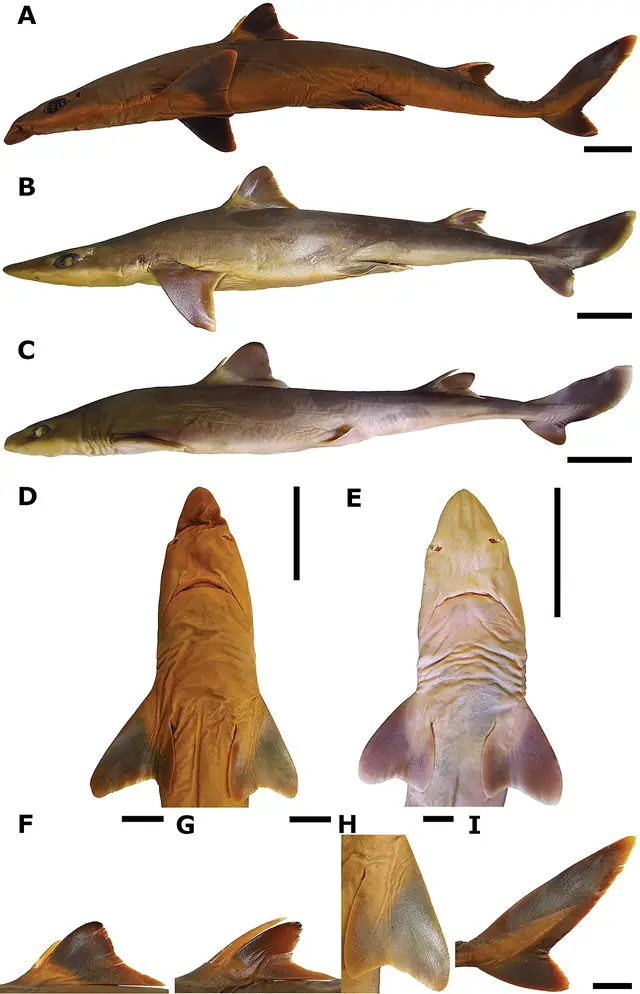
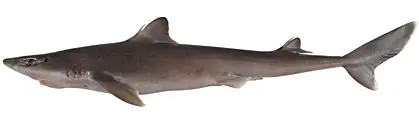
The Japanese shortnose spurdog (Squalus brevirostris) is a small dogfish shark of the western Pacific, found from southern Japan to the South China Sea. It grows to about 60 centimeters. The IUCN Red List assessed it as Endangered in 2021 because fishing is cutting its numbers.
How to recognise it
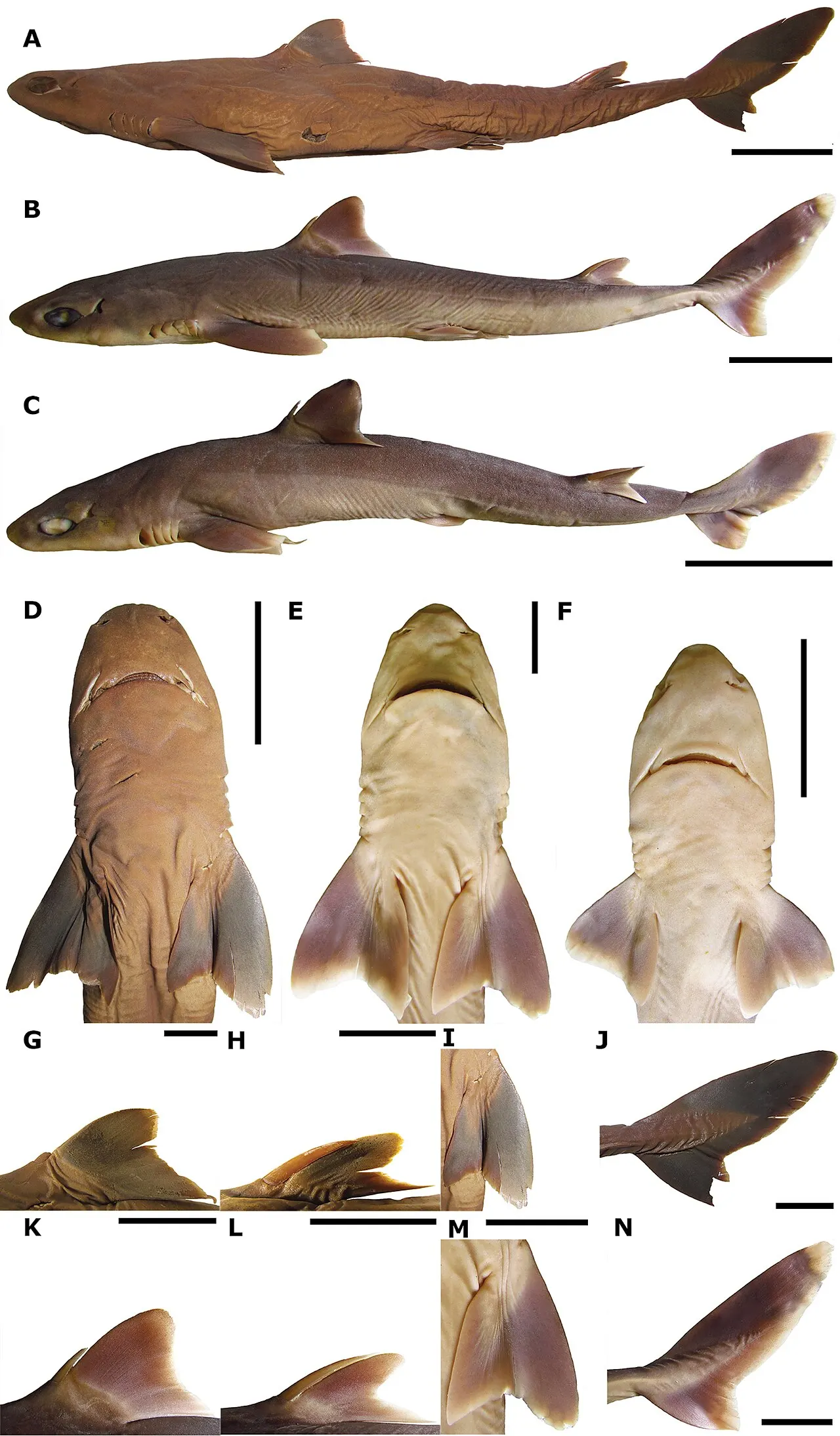
It's a small spurdog in the family Squalidae, with the longest recorded specimen measuring 60 centimeters. Shigeho Tanaka described it in 1917. It shares its waters with a larger relative, the Japanese spurdog (Squalus japonicus), and the two have been studied side by side.
Where it lives
The Red List records it from China, Japan, the Philippines and Taiwan. It lives over soft seabed on the continental shelf and upper slope. The IUCN depth range is 40 to 342 meters, while FishBase lists it down to 130 meters, though it says deeper shelf records exist. Bottom trawl surveys in the East China Sea found that depth affected where the shark turned up, and latitude did too.
Pins are Wikidata “endemic to” fields. Orange dots, when present, are GBIF occurrence tiles — survey bias included.
How it lives
A 2020 study in Marine and Freshwater Research, using trawl surveys from 2000 to 2005 and 2008 to 2014, found that half of males were mature at a precaudal length of about 290 millimeters and half of females at about 355. Body-length and sex-ratio patterns pointed to separation by maturity within and between the two spurdogs. Lanternfishes were the main prey, and the diet overlapped heavily with that of Squalus japonicus.
It gives birth to live young that develop from eggs inside the mother. The Red List gives a generation length of 21 years, and FishBase rates its resilience as low, with a minimum population doubling time of 4.5 to 14 years.
Why it is in trouble
The assessment names accidental catch as the threat, both in large-scale fisheries and in small-scale or subsistence fishing, each affecting a majority of the population (50 to 90 percent) with slow, significant declines. The population trend is decreasing.
What is being done
The Red List lists harvest management, trade management, species recovery, site protection and national-level measures as conservation actions. No dedicated recovery program for this shark is described in the sources consulted.
Sources
Written for this catalog in our own words from the sources below, checked against them on 12 November 2026. Population figures are estimates and carry the year they were made. Status and assessment year: IUCN. 2026. The IUCN Red List of Threatened Species. Version 2026-1. iucnredlist.org.